
As we navigate the mid-year landscape of 2026, the question of whether mortgage rates will see a significant surge in the coming months remains at the forefront of financial discussions for prospective homeowners. For many, the prospect of securing property is tempered by the volatility of global economic indicators and the shifting policies of major financial institutions. Understanding the trajectory of housing credit is essential for anyone looking to enter the market or renegotiate existing debt.
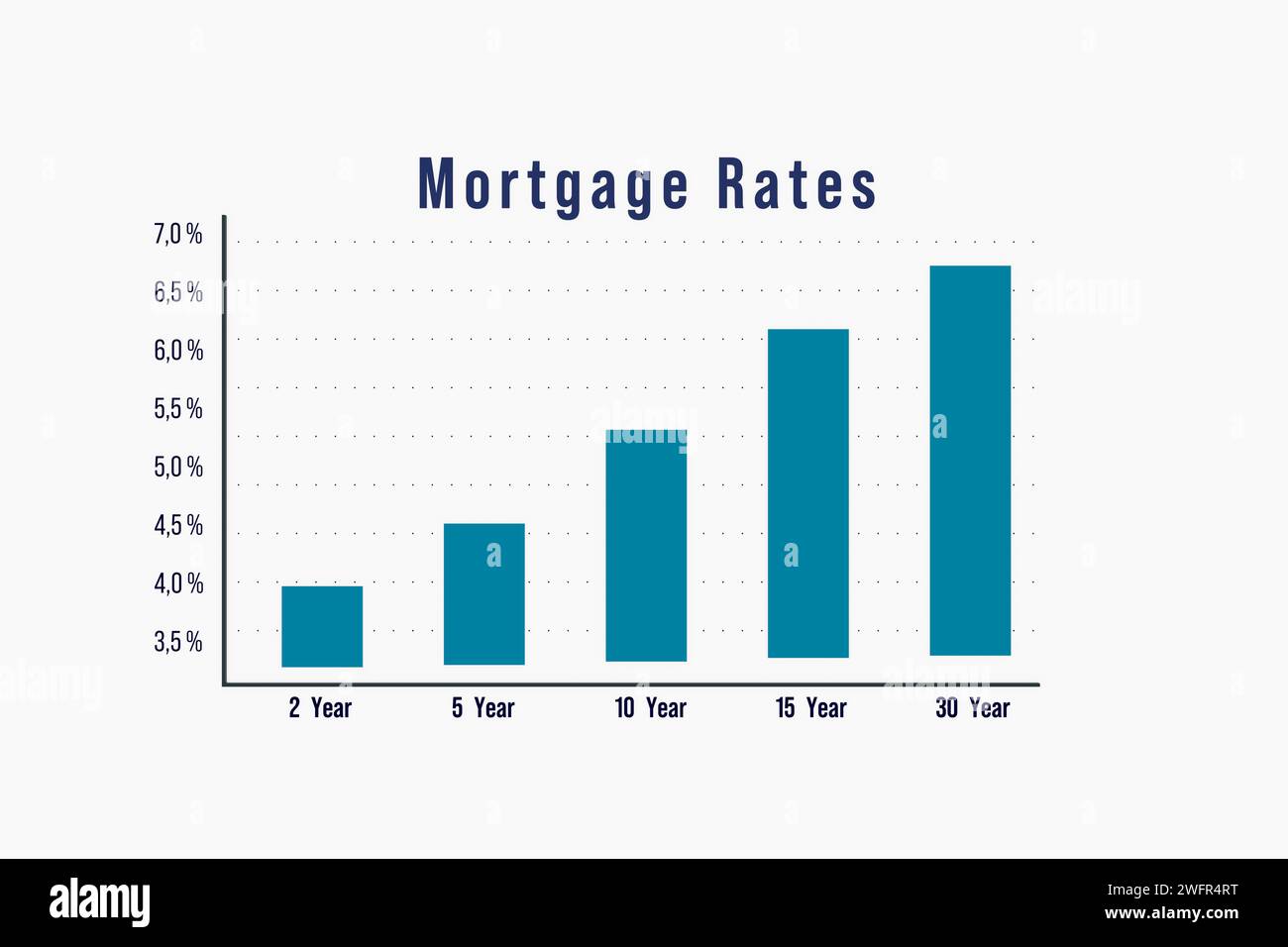
Recent data from the Banque de France provides a clear picture of the current environment. As of September 2025, the average interest rate for new housing loans, excluding renegotiations, remained stable at 3.09%. This stability followed a slight fluctuation in previous months, with rates recorded at 3.10% in August and 3.09% in July. These figures suggest that, despite broader economic pressures, the housing credit market has maintained a level of resilience that many observers find noteworthy.
For those tracking the pulse of the real estate sector, the volume of lending provides further insight into market health. The monthly volume of new housing loans reached 12.8 billion euros in September 2025, an increase from 12.2 billion euros in August. Cumulatively, the production of these credits reached 107.8 billion euros over the first nine months of 2025, representing a 38% increase compared to the same period in 2024. These statistics, published by the Banque de France, underscore that the demand for property financing remains robust even as the industry navigates complex interest rate environments.
Understanding the Mechanics of Interest Rates
The stability observed in late 2025 does not occur in a vacuum. Interest rates for housing loans are influenced by a myriad of factors, ranging from central bank policy to the broader macroeconomic climate. When analyzing whether rates might “take off” at the start of a new season or following a holiday period, We see crucial to distinguish between short-term market noise and long-term structural trends. Borrowers often look for definitive signals, but the reality is frequently more nuanced, involving a delicate balance between supply and demand, inflation expectations, and the cost of capital for lending institutions.
In the French market, the distinction between different types of credit is also vital. For instance, while housing credit rates have hovered around the 3% mark for long-term fixed-rate loans, other forms of credit, such as consumer loans or overdrafts, operate under different dynamics. According to official statistical releases, the rates for consumer amortizable loans were recorded at 6.01% in September 2025, while overdraft rates for individuals stood at 7.71% during the same period. This variation highlights the importance of analyzing specific credit categories rather than relying on broad market generalizations.
Market Sentiment and Economic Realities
The broader economic narrative often focuses on “tensions” in the international market, which can lead to speculation about sudden rate hikes. However, historical data suggests that mortgage markets are often more anchored to institutional benchmarks than to fleeting geopolitical headlines. The official reports from the Banque de France indicate a consistent trend of stabilization rather than the erratic volatility that some market commentators might predict. This stabilization is a critical factor for families and investors who are planning their financial futures over a multi-year horizon.
the portion of renegotiated loans—which can often signal a proactive response from borrowers to changing rate environments—has shown its own specific patterns. In September 2025, the share of renegotiated housing loans was recorded at 14.2%, up from 12.8% in August and 12.3% in July. This activity suggests that borrowers are actively managing their portfolios, seeking to capitalize on favorable conditions or adjust their debt structure as the economic landscape evolves.
Key Takeaways for Prospective Borrowers
- Stability is Current: Based on recent data, interest rates for new housing loans have shown remarkable consistency, holding steady near the 3.09% mark throughout the third quarter of 2025.
- Volume is Rising: Despite concerns regarding the future of the property market, the actual production of housing credit has seen a significant year-over-year increase, signaling sustained activity.
- Differentiate Your Debt: Interest rates vary significantly by product type; while housing loans remain relatively stable, consumer credit and overdrafts carry markedly different cost structures.
- Monitor Official Sources: For the most accurate assessment of the market, rely on periodic updates from national financial authorities rather than speculative commentary.
As we move forward, the most reliable way to gauge the direction of the market is to keep a close watch on the upcoming monthly statistical publications from the central bank. These reports serve as the definitive record of the credit environment, stripping away the uncertainty that often accompanies market speculation.
We encourage our readers to stay informed by reviewing the latest data directly. The next update on individual credit statistics is expected to follow the standard release schedule of the Banque de France. If you have questions about how these trends are impacting your specific financial situation, we invite you to share your thoughts in the comments section below.
Related reading
- Knicks Star Talks Historic Playoff Run and Skechers Sneaker in Footwear News Cover Story
- Belgium Minister Considers Ban on High-Powered Cars for Young Drivers
- Vivo S2 Enters the Mid-Range Market with Powerful Specs and Massive Battery (world-today-news.com)
- Disney Q3 Earnings: Market Awaits Updates Under CEO Josh D’Amaro (archyde.com)