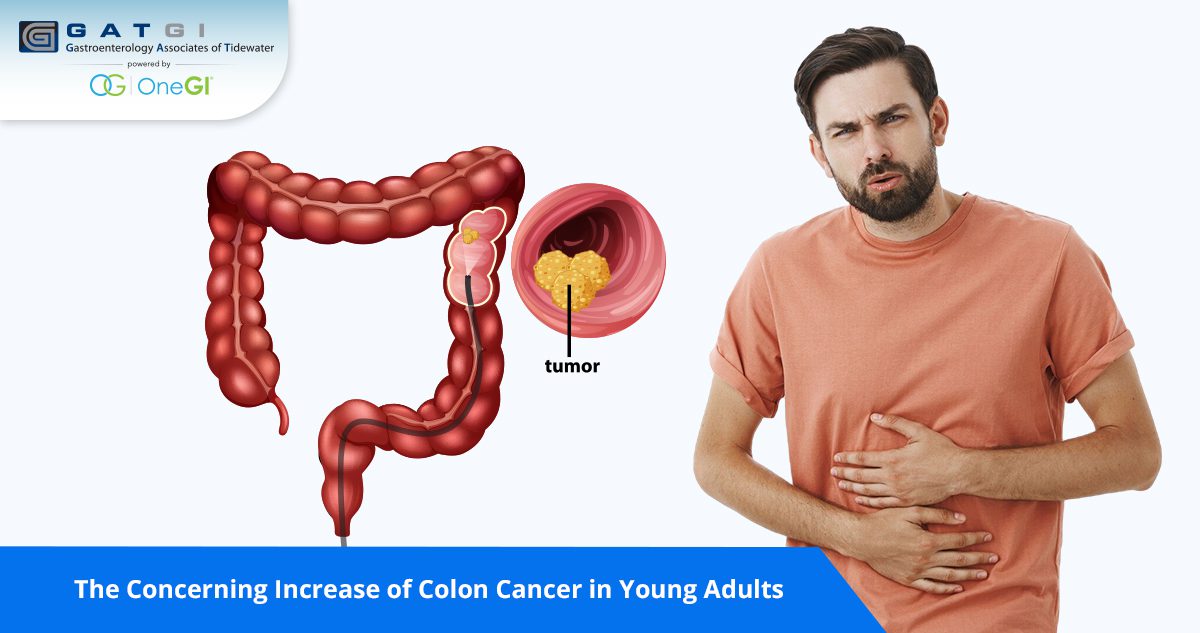
Colorectal cancer rates among people under 50 have been rising globally, with particularly sharp increases observed in the United States and parts of Europe. While overall colorectal cancer incidence has declined in older populations due to improved screening, early-onset cases — those diagnosed before age 50 — have increased by approximately 50% since the mid-1990s. This trend has prompted urgent investigation into potential environmental and lifestyle factors driving the surge in younger adults.
Recent research points to a possible link between early-onset colorectal cancer and exposure to certain herbicides, particularly picloram, a chemical widely used to control woody plants and shrubs in agricultural and rangeland settings. A study published in Nature Medicine analyzed DNA methylation patterns in tumor samples from young colorectal cancer patients and identified distinctive “fingerprints” associated with long-term environmental exposures. Among these, picloram emerged as a notable correlate, especially in cases where tumors showed epigenetic changes consistent with herbicide exposure.
The study, led by computational biologist Jose Seoane at the Vall d’Hebron Institute of Oncology in Barcelona, found that these methylation signatures were not present in the same way in colorectal cancer tumors from patients over 70, suggesting a distinct etiologic pathway for early-onset disease. While picloram is not currently classified as a carcinogen by major regulatory agencies, researchers emphasize that the observed association warrants further toxicological and epidemiological investigation.
In addition to herbicide exposure, the study highlighted several other factors linked to the methylation profiles in young-onset tumors, including poor diet low in fiber-rich foods like vegetables, beans, and nuts; obesity; smoking; and lower educational attainment — a known proxy for socioeconomic disadvantage and limited access to healthy food options. These findings align with broader public health observations about the role of Western dietary patterns and metabolic health in gastrointestinal cancer risk.
Understanding the Rise in Early-Onset Colorectal Cancer
Colorectal cancer, which includes both colon and rectal cancers, has traditionally been considered a disease of older adults, with routine screening recommended starting at age 45 in the U.S. And 50 in many European countries. However, clinical data show that nearly 20% of new colorectal cancer cases now occur in individuals under 50, a proportion that has risen steadily over the past three decades. In some regions, such as parts of Switzerland and France, doctors report seeing increasing numbers of patients in their 30s and 40s with advanced-stage disease at diagnosis.
One contributing factor may be delayed symptom recognition. Young adults often dismiss early warning signs — such as rectal bleeding, changes in bowel habits, unexplained weight loss, or persistent abdominal discomfort — as benign or stress-related, leading to later-stage diagnoses when treatment options are more limited. Awareness campaigns targeting younger populations aim to address this gap by encouraging prompt medical evaluation of persistent gastrointestinal symptoms.
Family history and genetic syndromes like Lynch syndrome or familial adenomatous polyposis (FAP) account for only a small fraction of early-onset cases. The majority occur in individuals without known hereditary predispositions, reinforcing the hypothesis that external, modifiable risk factors play a dominant role in the current trend.
Environmental Triggers Under Investigation
The potential role of environmental toxins, particularly agricultural chemicals, has gained attention as researchers seek to explain why early-onset colorectal cancer is rising faster in certain geographic areas. Picloram, a pyridine-carboxylate herbicide used globally to manage invasive shrubs in pastures and non-crop lands, has come under scrutiny due to its persistence in soil and water systems. Though designed to target broadleaf plants while sparing grasses, concerns have emerged about its potential to disrupt microbial ecosystems and, indirectly, human gut health.
In the Nature Medicine study, researchers used computational models to trace methylation signatures back to likely environmental sources. Picloram stood out because its chemical structure and usage patterns aligned with the epigenetic marks found in tumor DNA. Importantly, the association was strongest in younger patients, with no significant link observed in older cohorts — a detail that supports the hypothesis of a recent, exposure-driven shift in disease etiology.
Regulatory bodies such as the U.S. Environmental Protection Agency (EPA) and the European Chemicals Agency (ECHA) continue to classify picloram as unlikely to pose a carcinogenic risk to humans based on current data. However, both agencies acknowledge limitations in long-term exposure studies, particularly regarding low-dose, chronic exposure effects on epigenetic regulation. Independent scientists argue that traditional carcinogenicity testing may not adequately detect substances that influence cancer risk through non-mutagenic mechanisms like DNA methylation alteration.
Lifestyle and Socioeconomic Factors
Beyond environmental exposures, lifestyle factors remain critical contributors to colorectal cancer risk. Diets high in processed meats, refined sugars, and saturated fats — and low in fiber, fruits, and vegetables — are consistently associated with increased risk. The Western dietary pattern, prevalent in the U.S. And increasingly common in urban centers worldwide, promotes intestinal inflammation and alters gut microbiota in ways that may foster carcinogenesis over time.
Obesity, another well-established risk factor, contributes to chronic low-grade inflammation and insulin resistance, both of which can promote tumor growth. Sedentary behavior further exacerbates these metabolic risks. Public health officials note that these factors often cluster in communities with limited access to affordable, nutritious food and safe spaces for physical activity — underscoring the intersection of biology and social determinants of health.
Smoking, though less prevalent than in past decades, remains a significant modifiable risk factor. Tobacco smoke contains carcinogens that can reach the colon via the bloodstream and have been shown to induce epigenetic changes in colonic tissue. Similarly, alcohol consumption — particularly heavy or binge drinking — is linked to increased colorectal cancer risk, likely through acetaldehyde-mediated DNA damage and folate metabolism disruption.
Global Patterns and Regional Variations
The rise in early-onset colorectal cancer is not uniform across the world. High-income countries with Westernized lifestyles — including the United States, Canada, Australia, and parts of Western Europe — report the steepest increases. In contrast, many low- and middle-income nations still witness predominantly older-onset cases, even though urbanization and dietary shifts are beginning to alter this pattern in regions like Latin America and East Asia.
In Switzerland, physicians have noted a growing number of colorectal cancer diagnoses among individuals in their 30s, prompting calls for earlier screening considerations in high-risk subgroups. Similarly, in France, public health agencies have observed a steady climb in incidence rates among adults under 50, though absolute numbers remain lower than in the U.S. These trends suggest that while biological susceptibility may be widespread, environmental and behavioral exposures vary significantly by region and lifestyle.
Researchers stress the importance of large-scale, longitudinal studies that integrate exposure tracking, genomic analysis, and behavioral data to untangle the complex web of influences. Initiatives such as the international Early-Onset Colorectal Cancer Consortium are working to pool data from multiple countries to identify consistent patterns and regional outliers.
What This Means for Prevention and Screening
Current screening guidelines recommend that average-risk individuals commence colorectal cancer screening at age 45 in the U.S., with options including colonoscopy every 10 years, annual fecal immunochemical testing (FIT), or CT colonography every five years. In Europe, many countries recommend starting at age 50, though some, like Germany and Austria, have lowered the threshold to 45 or even 40 for those with risk factors.
For individuals under 45 with symptoms such as persistent rectal bleeding, iron-deficiency anemia, or unexplained changes in bowel function, medical evaluation is advised regardless of age. Early detection remains key: when caught at a localized stage, the five-year survival rate for colorectal cancer exceeds 90%. This drops significantly when cancer has spread to distant organs.
Lifestyle modifications offer a tangible avenue for risk reduction. Increasing dietary fiber intake through whole grains, legumes, fruits, and vegetables; maintaining a healthy weight; engaging in regular physical activity; limiting alcohol; and avoiding tobacco are all evidence-based strategies. While no single change eliminates risk, cumulative improvements in metabolic and gut health may lower susceptibility over time.
Ongoing research into environmental contributors like picloram may eventually inform regulatory reviews or agricultural guidelines, particularly concerning water runoff and human exposure pathways. Until then, public health messaging emphasizes awareness, timely symptom reporting, and adherence to screening recommendations as the most effective tools available today.
As scientists continue to investigate the roots of this troubling trend, the medical community urges vigilance without alarm. The rise in early-onset colorectal cancer is a complex issue shaped by biology, behavior, and environment — but one that responds to prevention, early detection, and sustained public health investment.
For updates on colorectal cancer screening guidelines and prevention strategies, readers are encouraged to consult authoritative sources such as the American Cancer Society, the World Health Organization, or their national public health agency.
Have you or someone you know been affected by early-onset colorectal cancer? Share your experiences or questions in the comments below to help foster awareness and support.