:quality(80)/outremer%2F2026%2F06%2F08%2F6a26f5f39c067558100621.jpg)
Health authorities in Martinique are reporting an uptick in sexually transmitted infections (STIs) among young people, a trend linked in part to pervasive silence surrounding sexual health within family environments. Public health surveillance indicates that limited access to comprehensive education and lingering social stigma are creating significant barriers to prevention, testing, and early treatment for the island’s youth population.
The rise in STI diagnoses across the French Caribbean reflects broader challenges in sexual health communication. According to the French Public Health Agency (Santé publique France), the national monitoring of infectious diseases often highlights disparities in health literacy and access to care, particularly in overseas territories where cultural norms can influence how sexual health is discussed at home and in schools.
The Impact of Silence on Sexual Health
For many young people in Martinique, the topic of sexual health remains a “taboo” subject, often excluded from family dialogue. This lack of communication can leave adolescents without the necessary tools to navigate issues such as consent, contraception, and the prevention of infections like HIV, syphilis, and chlamydia. When health education is absent at home, young people may rely on incomplete or inaccurate information from peers or unregulated online sources.
Public health experts emphasize that sexual health is a critical component of overall well-being. According to data from the French National Authority for Health (HAS), consistent access to sexual health services—including routine screenings—is essential to curbing the transmission of STIs. The agency notes that stigma remains one of the most significant obstacles to early intervention, as fear of judgment often deters young individuals from seeking professional medical advice or testing.
Addressing the Prevention Gap
Health professionals and educators are increasingly advocating for a multi-faceted approach to improve sexual health outcomes. This includes strengthening school-based prevention programs and ensuring that clinics are perceived as safe, confidential spaces for young patients. Because current data points to a concerning level of misinformation, initiatives aimed at “health literacy” are being prioritized to help young adults distinguish between medically accurate information and common myths.
The French Ministry of Health and Prevention maintains that sexual health strategies must be adapted to local contexts to be effective. This involves not only providing condoms and testing kits but also training healthcare workers to communicate with sensitivity, ensuring that patients feel comfortable discussing their sexual history without the fear of social repercussions. The goal is to shift the narrative from one of secrecy to one of proactive, informed health management.
Current Trends in STI Surveillance
Monitoring the evolution of STIs requires robust data collection and community engagement. While specific regional statistics for Martinique can fluctuate, national trends in France show a persistent need for vigilance regarding HIV and other bacterial infections. According to the French Institute for Demographic Studies (INED), shifts in sexual behavior and the adoption of digital tools for meeting partners have changed the landscape of risk, necessitating updated prevention strategies that reach younger demographics where they are most active.
For those seeking information or testing, local health centers, known as CeGIDD (Centres gratuits d’information, de dépistage et de diagnostic), provide free and anonymous access to STI screenings. These centers are tasked with providing both clinical care and counseling, serving as a primary point of contact for individuals concerned about their sexual health.
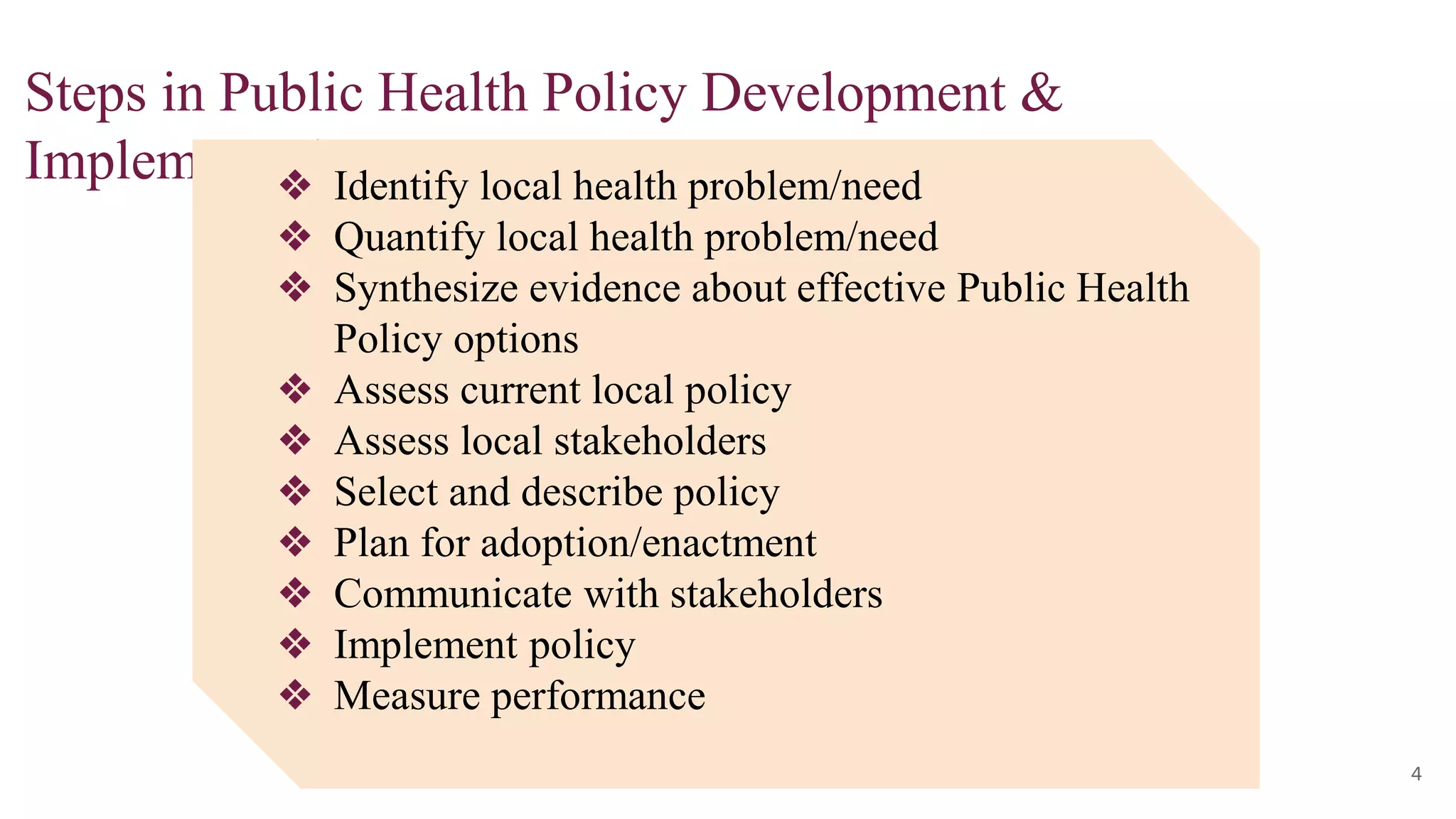
Next Steps for Public Health Policy
The path forward involves bridging the gap between clinical services and community understanding. Regional health agencies (ARS) in overseas territories are expected to continue their focus on public awareness campaigns throughout the coming year. These efforts are designed to normalize the conversation around sexual health, encouraging parents and educators to support younger generations in making informed decisions.
Readers are encouraged to consult official resources for the most recent updates on local health advisories and to utilize verified testing services. Public health officials emphasize that early detection is the most effective way to prevent long-term complications associated with untreated STIs. We welcome your thoughts on how communities can better support sexual health education—please share your perspective in the comments section below.
- <b><strong>This Everyday Habit Could Be Shrinking Your Brain</strong></b>
- Le cœur des femmes est en danger – Mag’Centre
- Shreveport Police Confront Rising Domestic Violence and Child Trauma (archyworldys.com)
- The Relationship Between Vaping and Health: Separating Fact from Alarmist Headlines (world-today-news.com)