
For many, the mirror is a tool of vanity or a routine check of the day’s appearance. But for actress and producer Rita Wilson, the reflection has become a map of survival, a testament to a grueling battle, and a source of profound, if complex, curiosity. In recent reflections on her journey with breast cancer, Wilson has spoken candidly about the psychological and physical shift that occurs when a body is no longer just a vessel for life and art, but a site of medical intervention.
Wilson, known for her versatility on screen and her powerhouse presence behind the scenes, has transitioned from a private citizen facing a crisis to a public beacon of resilience. Her willingness to discuss the aftermath of treatment—specifically the “interesting” process of reconciling her current physical self with the person she was before the diagnosis—offers a rare, vulnerable glimpse into the reality of survivorship. We see a narrative that moves beyond the “victory” of beating cancer and into the quiet, often overlooked territory of living with the changes it leaves behind.
The actress first shared her diagnosis with the world in December 2017, using social media to break the news of her breast cancer. Since then, she has navigated the treacherous waters of chemotherapy, surgery, and recovery with a transparency that has resonated globally. By speaking openly about her experience, Wilson has highlighted a critical truth: the end of medical treatment is not the end of the journey, but the beginning of a new relationship with one’s own body.
The Physical and Emotional Architecture of Recovery
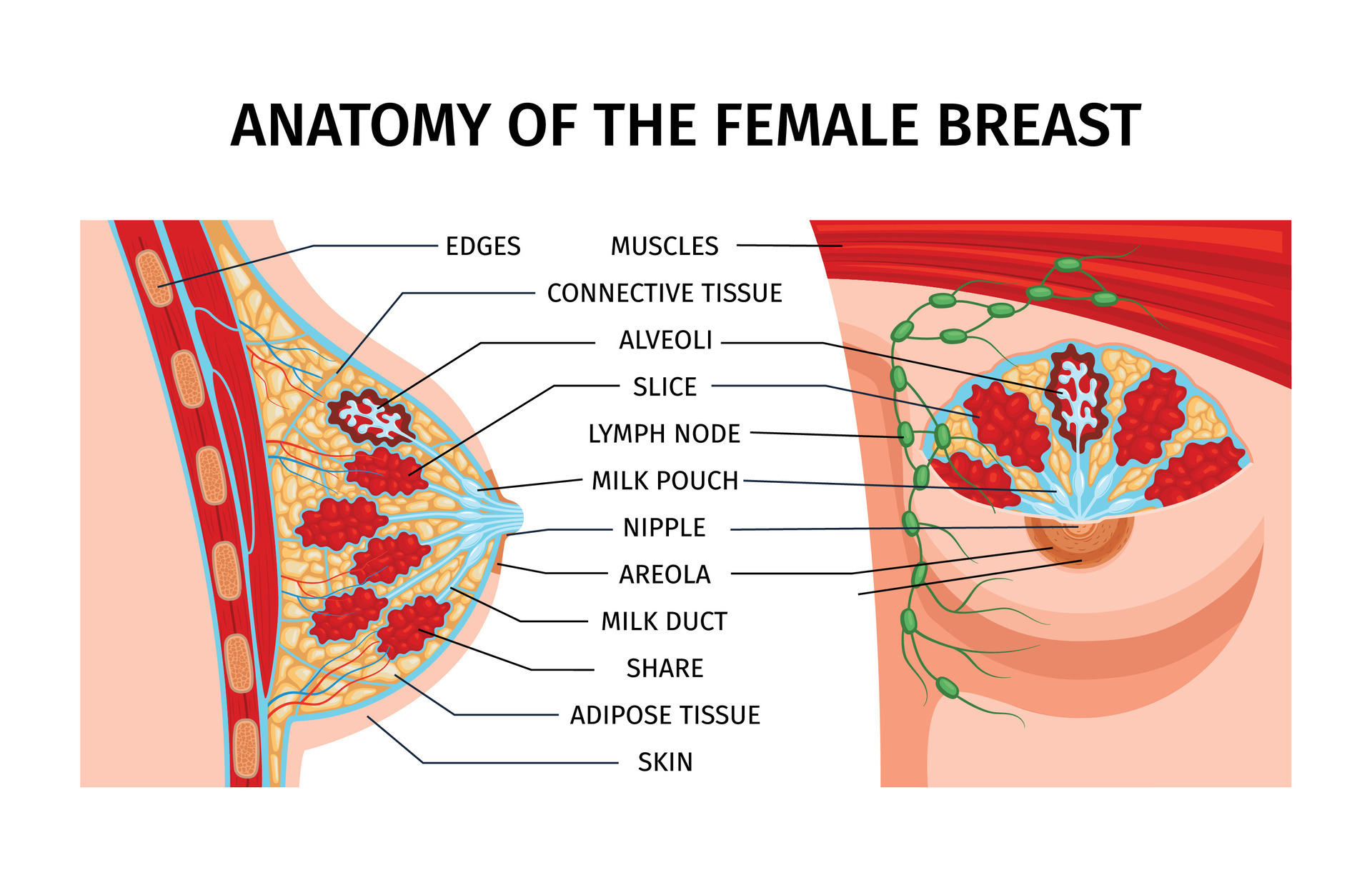
When Wilson describes the experience of looking at her body after treatment as “interesting,” she is touching upon a phenomenon common among cancer survivors—the sense of physical alienation. Breast cancer treatment often involves a combination of surgery (such as a lumpectomy or mastectomy), chemotherapy, and radiation, all of which can leave permanent marks. These may include surgical scars, changes in skin texture, or the loss of breast tissue, which can fundamentally alter a woman’s sense of femininity and self-perception.
For a woman whose professional life has often been tied to visibility and aesthetics in the entertainment industry, this transition is particularly poignant. The process of “looking at the body” becomes an act of reclamation. Rather than viewing scars as defects, Wilson’s perspective suggests a shift toward viewing them as evidence of strength. This psychological pivot—from grief over what was lost to curiosity about what remains—is a cornerstone of long-term emotional recovery.
Medical professionals note that the “new normal” following breast cancer treatment is as much mental as it is physical. The cognitive fog associated with chemotherapy, often termed “chemo brain,” combined with the physical exhaustion of recovery, can make the return to a high-pressure career like producing and acting feel like climbing a mountain. Wilson’s ability to return to her work while maintaining this openness about her health serves as a vital reminder that productivity and vulnerability can coexist.
The Power of Public Vulnerability
The decision to be outspoken about a diagnosis is rarely uncomplicated, especially for figures in the public eye who are often pressured to maintain an image of perpetual youth and health. However, Wilson’s transparency serves a dual purpose: it humanizes the celebrity experience and provides a roadmap for others facing similar diagnoses. By detailing her struggle, she strips away the stigma and fear that often accompany cancer, replacing them with a narrative of agency and survival.

This advocacy is particularly crucial in the context of early detection. Breast cancer remains one of the most common cancers among women worldwide, but the prognosis improves significantly when detected in its early stages. According to the American Cancer Society, regular screening and awareness of one’s own breast health are the most effective tools for reducing mortality rates. When a figure like Wilson speaks about her journey, it encourages thousands of women to schedule the mammograms they may have been avoiding.
Beyond the medical statistics, there is the human element of support. Throughout her treatment, Wilson’s partnership with husband Tom Hanks became a public symbol of steadfast companionship. Their shared journey highlighted the role of the caregiver, emphasizing that cancer is a disease that affects an entire family unit, not just the individual patient. The emotional scaffolding provided by a supportive partner can be as critical to recovery as the clinical treatment itself.
Understanding the Impact of Breast Cancer Treatment
To understand why Wilson’s reflections on her body are so significant, it is helpful to examine the standard trajectory of breast cancer treatment and the lasting effects it can have. While every patient’s experience is unique, the commonalities in treatment often lead to the physical changes Wilson has alluded to.
- Surgical Intervention: Depending on the stage and type of cancer, patients may undergo a lumpectomy (removal of a tumor and a little rim of healthy tissue) or a mastectomy (removal of the entire breast). These procedures leave surgical scars and can alter the symmetry of the body.
- Chemotherapy: These powerful drugs target rapidly dividing cells, which includes cancer cells but also healthy cells in the hair follicles and digestive tract. The resulting hair loss and systemic fatigue can lead to a temporary loss of identity and a feeling of physical fragility.
- Radiation Therapy: Used to destroy any remaining cancer cells, radiation can cause skin changes, including redness or hardening of the tissue (fibrosis), which further contributes to the “interesting” physical changes a survivor observes.
- Hormonal Therapy: For some, long-term medication is required to prevent recurrence, which can lead to side effects mimicking menopause, such as hot flashes and joint pain.
The cumulative effect of these treatments is often a feeling of being a “stranger” in one’s own skin. When Wilson speaks of looking at her body, she is acknowledging this dissonance. The act of observing these changes with curiosity rather than shame is a powerful psychological tool that helps survivors integrate their illness into their overall life story.
Navigating the “Survivor’s Guilt” and Mental Health
While the physical scars are visible, the invisible scars of breast cancer are often deeper. Many survivors experience a period of heightened anxiety known as “scanxiety”—the intense fear associated with follow-up imaging and tests to ensure the cancer has not returned. This state of hyper-vigilance can make the body feel like a ticking time bomb, further complicating the relationship between the mind and the physical self.
Wilson’s openness helps normalize these emotional fluctuations. By admitting that the process of recovery is complex, she validates the experiences of millions of women who feel that they are expected to “just be happy” that they survived. The reality is that survivorship is a lifelong process of adjustment, involving a constant negotiation between the memory of the healthy self and the reality of the recovered self.
the intersection of age and cancer adds another layer of complexity. As women enter their 60s, they are already navigating the natural transitions of aging. A cancer diagnosis accelerates this process of reflection, forcing a confrontation with mortality and a re-evaluation of what truly matters. For Wilson, this period of introspection seems to have resulted in a deepened appreciation for life and a more nuanced understanding of her own strength.
The Road Forward: Advocacy and Awareness
Rita Wilson’s journey does not end with her own recovery. it extends into a broader mission of awareness. By utilizing her platform, she transforms her personal trauma into a public service. The “interesting” observations she makes about her body serve as a catalyst for others to examine their own health and to advocate for the care they deserve.
For those currently navigating a diagnosis or in the midst of recovery, Wilson’s story provides several key takeaways:
| Focus Area | Approach | Expected Outcome |
|---|---|---|
| Physical Self-Image | Gradual exposure and mindful observation of scars/changes. | Reduced alienation and increased self-acceptance. |
| Emotional Health | Engagement with support groups or professional counseling. | Management of “scanxiety” and depression. |
| Health Maintenance | Strict adherence to follow-up screenings and mammograms. | Early detection of potential recurrence. |
| Social Support | Open communication with partners and family members. | Strengthened emotional bonds and shared resilience. |
The importance of this approach is echoed by global health organizations. The World Health Organization emphasizes that comprehensive cancer care must include not only the clinical treatment of the tumor but also the psychological and social support of the patient. Wilson’s public narrative embodies this holistic approach to healing.
The Legacy of Resilience
Rita Wilson’s reflections on her body are a lesson in grace. In a world that often demands perfection, her willingness to be “interesting”—to be scarred, changed, and honest—is a radical act. She demonstrates that beauty is not the absence of struggle, but the integration of it. Her scars are not marks of defeat, but medals of honor earned in a fight for her life.
As she continues her work in film and television, Wilson carries this perspective with her. The depth and empathy she brings to her roles are likely informed by this journey. The experience of facing one’s own mortality and then choosing to live fully in the aftermath creates a perspective that is invaluable both personally and professionally.
For the global audience watching her, the message is clear: your body may change, your life may be interrupted by crisis, and the mirror may show you someone you don’t immediately recognize. But in that recognition lies the possibility of a deeper, more authentic connection with yourself.
The next confirmed milestone for many in the breast cancer community remains the annual awareness campaigns and the continued push for expanded access to screening in underserved populations. As advocates like Wilson continue to share their stories, the goal is a world where early detection is the norm and where survivorship is supported by a comprehensive network of physical and emotional care.
We invite our readers to share their own stories of resilience or tips for supporting loved ones through health crises in the comments below. Let’s continue the conversation on healing and hope.
Keep reading