
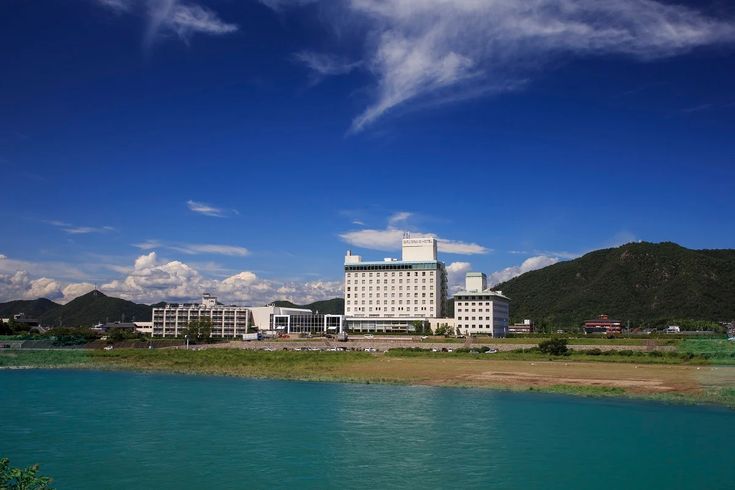
Selecting the right accommodation often defines the quality of a journey, particularly when balancing the desire for urban convenience with the need for serene relaxation. For travelers heading to the heart of Gifu City, Japan, the Gifu Grand Hotel stands as a cornerstone of hospitality, offering a strategic blend of traditional Japanese comfort and modern international standards.
Since its establishment in 1964, the hotel has evolved into a premier destination for those visiting the Chūbu region. Positioned as a gateway to the scenic Nagara River and the historic Gifu Castle, the property caters to a diverse global clientele seeking an authentic experience of Gifu’s unique geography and cultural heritage. Whether visiting for business or leisure, the choice of room—specifically between a river view and a town view—can significantly alter the atmosphere of a stay.
The Gifu Grand Hotel is not merely a place to sleep but a curated experience that integrates the local environment into its service. From its proximity to the Nagara River’s famous cormorant fishing sites to its refined dining options, the hotel serves as a hub for exploring Gifu’s blend of samurai history and natural beauty. For the modern traveler, understanding the nuances of the hotel’s layout and amenities is key to maximizing the value of their visit.
Comparing the Experience: River View vs. Town View
One of the most frequent dilemmas for guests at the Gifu Grand Hotel is deciding between the River View
and the Town View
rooms. Whereas both options maintain the hotel’s standard of luxury, they offer fundamentally different psychological and visual experiences.
The River View rooms provide a direct connection to the Nagara River, one of Japan’s most celebrated waterways. Guests in these rooms can observe the rhythmic flow of the river and the surrounding greenery, which is particularly striking during the autumn foliage season or the spring cherry blossoms. This option is generally recommended for those seeking a tranquil, meditative atmosphere and a sense of escape from the urban bustle.
Conversely, the Town View rooms offer a panoramic perspective of Gifu City’s urban landscape. These rooms provide a dynamic view of the city’s activity and, depending on the floor and orientation, can offer glimpses of Mount Kinka and the imposing Gifu Castle. This choice is often preferred by business travelers or those who enjoy the energy of a city skyline and want to experience connected to the local pulse.
According to the official Gifu Grand Hotel room specifications, the hotel offers a variety of configurations across its Main Building and East Wing. The Western-style rooms, including the Town View Twin and River View Twin, are distributed across the 5th to 8th floors of the East Wing and the 11th floor of the Main Building, allowing guests to tailor their height and perspective based on their preference.
Room Categories and Layouts
The hotel’s architecture is divided to accommodate different styles of travel, ensuring that both those who prefer Western comforts and those seeking a traditional Japanese experience are catered to. The room distribution is as follows:

- Western-Style Rooms: Available as Singles, Town View Twins, and River View Twins. These are primarily located in the East Wing (5th–8th floors) and the Main Building (11th floor).
- Japanese-Style (Tatami) Rooms: Located on the 6th to 10th floors of the Main Building and the 5th floor of the East Wing, providing a traditional floor-based living experience.
- Premium Options: The hotel features Premium Deluxe Twins, Stylish Twins, and Suites, located on the 6th to 10th floors of the Main Building and the 5th floor of the East Wing.
- Specialized Tatami Rooms: These include Modern Tatami rooms and those equipped with panoramic bath tubs for enhanced relaxation.
Wellness and Dining: The Onsen and Buffet Experience
A stay at the Gifu Grand Hotel is incomplete without engaging with its wellness and culinary offerings. The hotel emphasizes a holistic approach to relaxation, blending the therapeutic benefits of hot springs with high-end gastronomy.
The integration of onsen (hot spring) facilities allows guests to rejuvenate after a day of sightseeing. In Japanese culture, the onsen is more than just a bath. it is a ritual of purification and stress relief. The hotel’s facilities are designed to provide a serene environment where the physical tension of travel is dissolved, often complemented by the soothing views of the Gifu landscape.
The dining experience, particularly the buffet, is noted for its diversity. By combining local Gifu specialties—such as Hida beef, renowned for its intense marbling and tenderness—with international cuisine, the hotel ensures that global travelers find familiar flavors while discovering regional delicacies. The buffet serves as a social hub where the quality of ingredients is matched by the precision of Japanese presentation.
Practical Guest Guide for Gifu Grand Hotel
| Feature | Details | Recommendation |
|---|---|---|
| Room View | River View vs. Town View | River for peace; Town for urban energy. |
| Room Style | Western & Japanese (Tatami) | Tatami for authentic cultural experience. |
| Key Amenity | Onsen & High-end Buffet | Essential for wellness and regional tasting. |
| Location | Gifu City, near Nagara River | Ideal for visiting Gifu Castle and Mt. Kinka. |
Strategic Location and Local Integration
The Gifu Grand Hotel’s location is one of its most significant assets. Situated in the heart of Gifu, it provides seamless access to the city’s primary attractions. The proximity to the Nagara River is particularly valuable, as the river is the site of the traditional Ukai (cormorant fishing), a practice that has been preserved for over 1,300 years.

For those interested in history, the hotel serves as a convenient base for ascending Mount Kinka to visit Gifu Castle. The castle, originally built by Oda Nobunaga, offers a commanding view of the entire city and is a testament to the region’s strategic importance during the Sengoku period. The transition from the hotel’s luxury to the rugged history of the castle provides a comprehensive narrative of Gifu’s evolution from a fortress city to a modern urban center.
the hotel’s commitment to longevity is evident in its history. Having operated since 1964, the establishment has witnessed six decades of change in Japanese tourism and hospitality. This longevity has allowed the hotel to refine its service standards, blending the formality of traditional Japanese hospitality (Omotenashi) with the efficiency required by modern international travelers.
Key Takeaways for Travelers
- View Selection: Prioritize River View for nature and tranquility; choose Town View for cityscapes and proximity to the urban core.
- Cultural Immersion: Opt for the Tatami rooms if you wish to experience traditional Japanese architecture and sleeping arrangements.
- Wellness: Make apply of the onsen facilities to recover from jet lag or long days of exploration.
- Culinary Focus: The buffet is a prime opportunity to sample Hida beef and other local Gifu specialties.
As of May 2026, the Gifu Grand Hotel continues to be a primary choice for those navigating the balance between luxury and authenticity in central Japan. For those planning a visit, it is recommended to check the official booking portal for the latest seasonal packages, particularly during the peak autumn and spring windows when room availability for River View suites fluctuates rapidly.
For more information on travel advisories and entry requirements for Japan, visitors should consult the official Government of Japan portal to ensure a smooth transition into the country.
We invite our readers to share their experiences with Gifu’s hospitality or ask questions about planning a trip to the Chūbu region in the comments section below.