Recent research has clarified the primary molecular trigger for skin inflammation following ultraviolet (UV) exposure, identifying damaged RNA as the key driver of the immune response rather than DNA. This finding, published in leading scientific journals, reshapes the medical understanding of how the body detects sun damage and initiates the redness and pain associated with sunburns, according to researchers at the University of California, San Diego.
For decades, the prevailing scientific consensus suggested that direct damage to cellular DNA was the primary event that signaled the immune system to launch an inflammatory response to UV radiation. However, new experimental data demonstrates that damaged, non-coding RNA molecules released by dying skin cells act as a more immediate “danger signal” to neighboring healthy cells, triggering the release of inflammatory cytokines.
The Molecular Mechanism of Sunburn
When skin is exposed to excessive UV radiation, the cellular stress response is immediate. Dr. Richard Gallo and his team at the University of California, San Diego, conducted experiments revealing that UV-damaged RNA—specifically small non-coding RNAs—binds to a specialized receptor known as TLR3 (Toll-like receptor 3) in healthy skin cells. This binding interaction is what essentially “switches on” the inflammatory pathway, leading to the physical symptoms of a sunburn.
According to the Skin Cancer Foundation, UV radiation is categorized into UVA and UVB rays, both of which contribute to skin damage through different mechanisms. While DNA damage is certainly a critical factor in the long-term risk of skin cancer, the study highlights that the immediate inflammatory “alarm” is a distinct process driven by the cell’s response to damaged RNA. This distinction is vital for understanding how the body manages acute tissue injury versus chronic genetic mutation.
Why RNA Activation Matters
The identification of RNA as the primary mediator of inflammation offers new avenues for therapeutic intervention. By understanding that TLR3 is the specific gateway for this inflammatory signal, researchers are exploring whether topical treatments could be developed to modulate this receptor, potentially reducing the pain and systemic inflammation caused by severe sunburns.
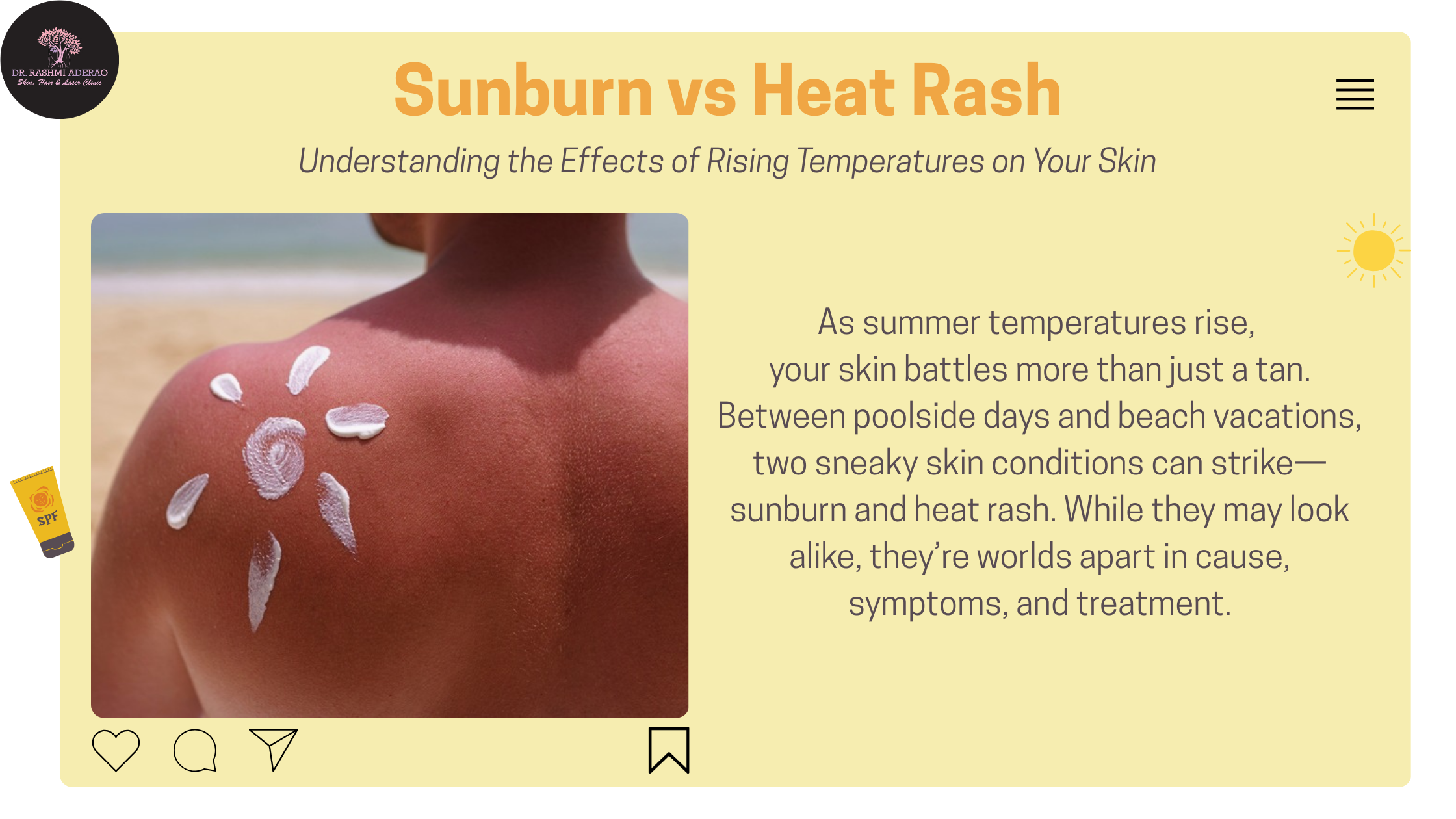
This discovery does not diminish the importance of protecting skin from UV radiation; rather, it clarifies the biological sequence of events. The inflammatory response is the body’s attempt to clear out damaged cells, but in the case of intense UV exposure, this response can become maladaptive. The World Health Organization maintains that UV exposure remains the most significant risk factor for various forms of skin cancer, and that the best defense remains physical protection, such as sunscreen and protective clothing.
Distinguishing Between DNA and RNA Damage
It is important to differentiate between the two roles these molecules play in cellular health. DNA damage, which involves direct breaks or cross-linking in the genetic code, is often linked to the long-term potential for carcinogenesis and cellular mutation. Conversely, the RNA-mediated response identified in this research is part of the innate immune system’s “danger-associated molecular pattern” (DAMP) recognition system.
The body treats damaged RNA as an indicator of viral infection or severe cellular distress. When UV rays damage the RNA within skin cells, the cells release these fragments into the extracellular space. TLR3 receptors on nearby healthy cells identify these fragments as a sign that the tissue is compromised. The resulting surge in cytokines is what causes blood vessels to dilate, leading to the characteristic redness and heat of a sunburn.
Summary of Key Findings
- Primary Trigger: UV-damaged non-coding RNA, rather than DNA, is the immediate trigger for the skin’s inflammatory immune response.
- Receptor Role: The TLR3 receptor acts as the sensor that detects these damaged RNA fragments.
- Clinical Implication: Targeting the TLR3 pathway may provide new methods for treating severe acute sunburns.
- Public Health: These findings do not change existing recommendations for sun safety but refine the scientific understanding of how the skin reacts to UV stress.
Future research is expected to focus on whether these findings can be applied to other inflammatory skin conditions beyond simple sunburn. As clinical trials proceed, dermatologists and public health officials continue to emphasize that the most effective way to avoid the inflammatory response—and the associated DNA damage—is to limit UV exposure during peak hours. For those interested in the latest updates on skin health and photobiology, official guidance remains available through the American Academy of Dermatology, which provides ongoing resources on sun protection and skin cancer prevention.

We encourage readers to share their thoughts on these findings in the comments section below. Stay tuned for further updates on this developing area of medical research as more clinical investigations are published in peer-reviewed journals.
Keep reading