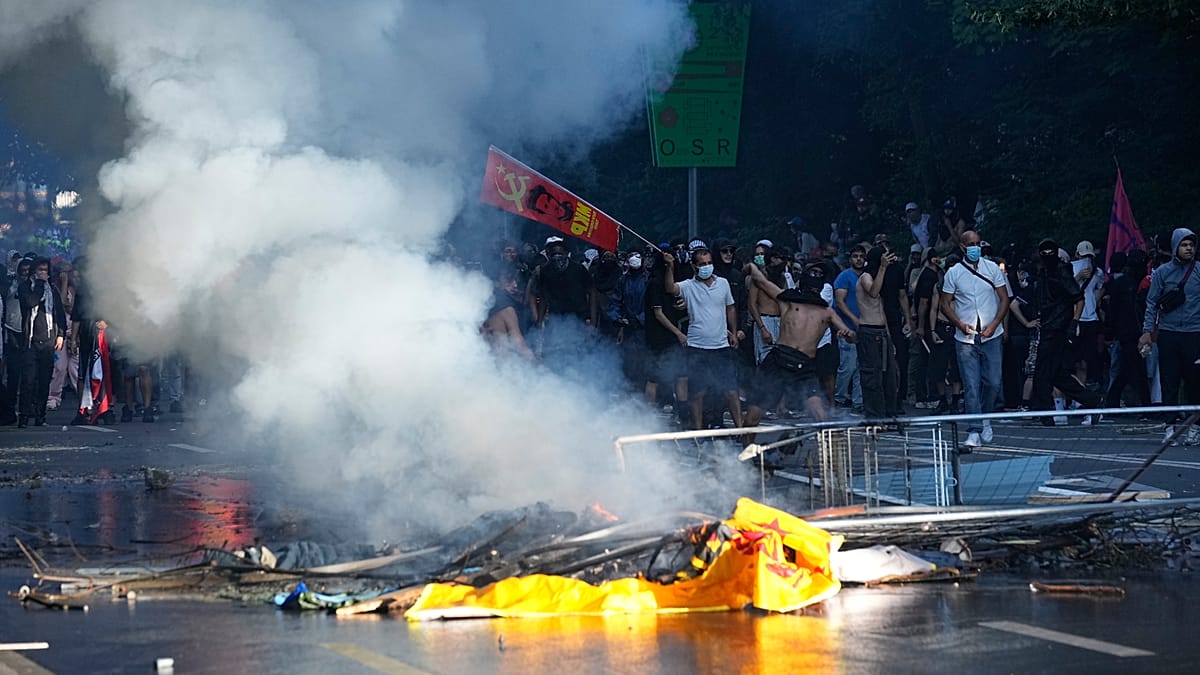
Geneva, Switzerland — June 14, 2024 — Tens of thousands of protesters clashed with police in Geneva on Friday as demonstrations against the G7 summit in nearby Evian-les-Bains turned violent, with authorities reporting tear gas deployments, multiple arrests, and property damage. The protests, organized by a coalition of labor unions, climate activists, and anti-capitalist groups, coincided with the start of the annual summit where world leaders are discussing economic policies, energy transitions, and global security.
According to the Geneva Cantonal Police, around 20,000 people participated in the demonstrations, with clashes concentrated near the city center and the United Nations office. Police confirmed the use of tear gas after protesters attempted to breach barriers and storm government buildings. The Swiss Federal Police reported at least 15 arrests, including several for public disorder and resistance to law enforcement. Meanwhile, the Geneva Fire Department responded to multiple calls for assistance after protesters damaged public property, including windows of commercial establishments near the demonstration routes.
Organizers of the protest, including the Swiss Trade Union Federation (SGB) and the climate advocacy group Youth Strike 4 Climate Switzerland, had called for peaceful demonstrations but acknowledged that tensions escalated as police attempted to disperse the crowds. “We came here to voice our demands for fair wages, climate justice, and an end to global inequality,” said a spokesperson for the SGB in a statement. “But when police started using excessive force, the situation spiraled out of control.”
Why Did Protests Turn Violent in Geneva?
The escalation in Geneva reflects broader tensions surrounding the G7 summit, where world leaders are addressing pressing global issues, including economic inequality, energy crises, and climate change. Protesters argue that the summit’s focus on corporate interests and slow progress on climate goals has failed to address the needs of ordinary citizens.
Swiss authorities had anticipated large-scale demonstrations and had deployed over 1,000 police officers to maintain order. However, the use of tear gas and subsequent clashes have raised concerns about police tactics. The Swiss government has faced criticism in the past for its handling of protests, particularly during the 2022 World Economic Forum in Davos, where similar clashes occurred.
According to SwissInfo, the Geneva protests were part of a broader wave of demonstrations across Europe, with similar rallies taking place in Paris, Berlin, and Rome. These protests have been organized by a diverse coalition, including labor unions, environmental groups, and anti-globalization activists, all united in their opposition to what they describe as the “neoliberal agenda” of the G7.
Who Is Leading the Protests and What Are Their Demands?
The demonstrations in Geneva were organized by a coalition of groups, each with distinct demands:
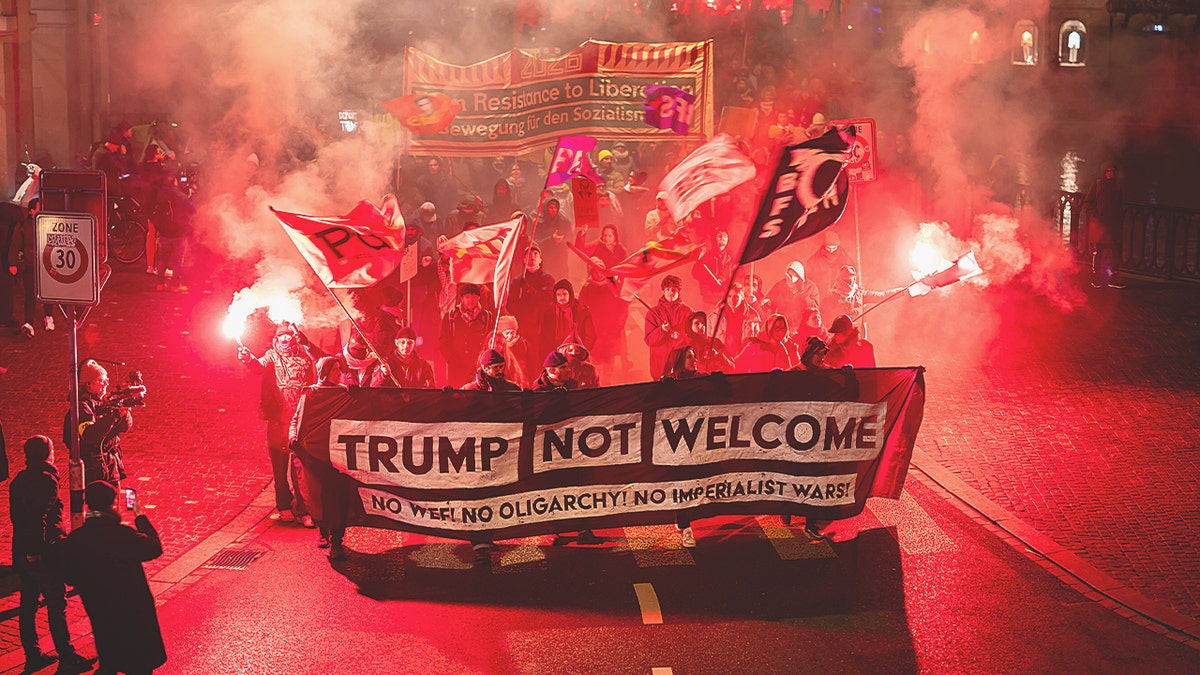
- Swiss Trade Union Federation (SGB): Demanding higher wages, better labor rights, and an end to precarious employment contracts. The SGB represents over 1.3 million workers in Switzerland and has been a vocal critic of the G7’s economic policies, which they argue favor multinational corporations over workers.
- Youth Strike 4 Climate Switzerland: Advocating for urgent climate action, including a transition to renewable energy and stricter regulations on fossil fuel companies. The group has been part of the global Fridays for Future movement, which has gained significant traction in Europe.
- Attac Switzerland: A member of the international ATTAC network, which opposes neoliberal globalization and advocates for economic justice. Attac has been particularly critical of the G7’s focus on trade liberalization and austerity measures.
- Anti-Capitalist Groups: Including factions of the anarchist and autonomist movements, which have historically clashed with police during large-scale protests. These groups often advocate for direct action and have been accused of inciting violence during demonstrations.
While the majority of protesters were peaceful, a smaller faction appeared to be more confrontational, targeting police vehicles and public property. The Geneva Cantonal Police have stated that they will investigate the incidents and hold accountable those responsible for property damage and public disorder.
How Are Swiss Authorities Responding to the Protests?
Swiss authorities have taken a firm stance on maintaining public order during the G7 summit. The Geneva Cantonal Police confirmed that they had received advanced intelligence about potential disruptions and had deployed additional officers to key areas. Despite these precautions, the protests turned violent, leading to the use of tear gas and subsequent arrests.
In a statement, Geneva’s Police Chief Pierre Maudet said, “We will not tolerate any acts of violence or vandalism. Our priority is to ensure the safety of all citizens and visitors to Geneva. Those who choose to break the law will face the consequences.”
The Swiss Federal Police have also increased their presence in Geneva, coordinating with local authorities to monitor the situation. Meanwhile, the Swiss government has assured international leaders attending the G7 summit that security measures are in place to protect them and ensure the summit proceeds without disruption.
What Happens Next? Security Measures and Future Protests
The G7 summit in Evian-les-Bains is scheduled to run from June 13 to June 15, with world leaders discussing topics such as artificial intelligence regulation, global health, and the war in Ukraine. While the protests in Geneva have subsided for now, organizers have announced plans for further demonstrations in the coming weeks.

According to BBC, the Swiss government is considering additional security measures for the remainder of the summit, including increased police patrols and restrictions on large gatherings near the summit venue. Meanwhile, protest groups have vowed to continue their campaigns, with calls for a “global day of action” in September to coincide with the United Nations General Assembly.
For those seeking updates on the situation, the Geneva Cantonal Police provide regular bulletins on their official website, while the Swiss Federal Police offer real-time information on their portal. International observers can also follow developments through the official G7 summit website, which provides updates on security and logistics.
Key Takeaways: What the Geneva Protests Mean for the G7 Summit
- Escalation of Protests: The violence in Geneva highlights the growing divide between protesters and authorities ahead of the G7 summit, with tensions rising over economic and climate policies.
- Diverse Coalition: The protests were organized by a broad coalition, including labor unions, climate activists, and anti-capitalist groups, each with distinct but overlapping demands.
- Police Response: Swiss authorities deployed tear gas and made multiple arrests, raising questions about the use of force during peaceful demonstrations.
- Broader European Trend: The Geneva protests are part of a larger wave of demonstrations across Europe, reflecting widespread dissatisfaction with global economic policies.
- Future Actions: Protest groups have announced plans for continued demonstrations, with a potential “global day of action” in September.
As the G7 summit continues in Evian-les-Bains, the events in Geneva serve as a reminder of the high stakes and deep divisions surrounding global economic governance. For now, authorities are focused on ensuring the safety of summit attendees, while protesters prepare for further action in the coming months.
What do you think about the protests in Geneva? Share your thoughts in the comments below or on our social media channels. For more updates on the G7 summit and related developments, stay tuned to World Today Journal.
Related reading