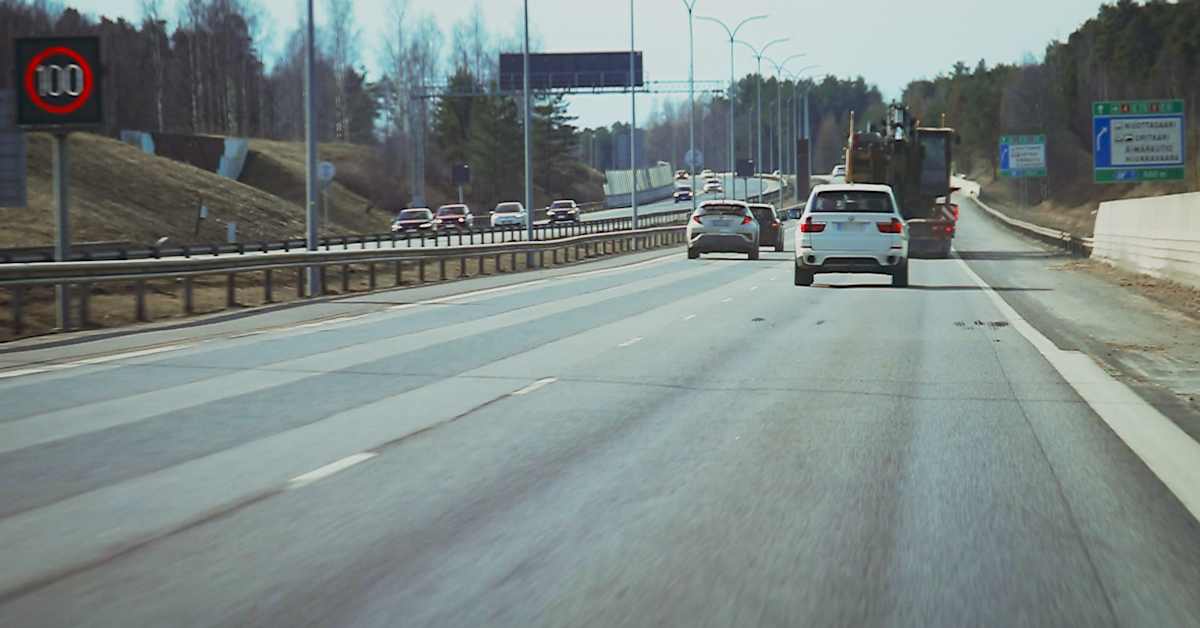
In recent years, Finland has faced growing challenges in maintaining its road infrastructure, particularly as changing weather patterns accelerate wear and tear on asphalt surfaces. Milder, wetter winters have led to faster deterioration of pavement, increasing the frequency and cost of repairs across the country’s extensive road network. This trend has raised concerns among transportation officials and local municipalities about the long-term sustainability of road maintenance budgets.
At the same time, funding for road repairs has been declining, even as material and labor costs rise due to global market fluctuations. The combination of reduced financial support and increased repair demands has created mounting pressure on Finland’s transportation authorities to prioritize critical infrastructure projects whereas seeking more cost-effective solutions. Experts warn that without timely intervention, the quality and safety of roads could deteriorate further, affecting both daily commuters and freight transport.
The issue gained renewed attention in late 2023 when the Finnish Transport Infrastructure Agency (Väylävirasto) released its annual report highlighting a significant backlog in road maintenance needs. According to the agency, over 30% of national highways and nearly half of regional roads require resurfacing or structural repairs within the next five years. These figures underscore the growing gap between infrastructure needs and available resources.
Climate Change Accelerates Road Wear in Finland
Finland’s roads are particularly vulnerable to damage during freeze-thaw cycles, which occur when temperatures fluctuate around the freezing point. In recent winters, southern and central Finland have experienced more frequent thaws followed by refreezing, allowing water to seep into cracks in the asphalt. When this water freezes, it expands, widening the cracks and weakening the pavement structure. Over time, this process leads to potholes, rutting, and surface degradation.
Data from the Finnish Meteorological Institute shows that the number of days with temperatures crossing zero degrees Celsius has increased by approximately 20% in the Helsinki region over the past decade. This trend is consistent with broader climate patterns observed across northern Europe, where winters are becoming shorter and more variable. Traditional winter road maintenance schedules are no longer sufficient to prevent damage.
In response, some municipalities have begun experimenting with newer asphalt mixtures designed to withstand greater temperature fluctuations. These include polymer-modified binders and improved drainage layers that reduce water retention. Yet, these materials come at a higher upfront cost, making widespread adoption difficult without additional funding.
Funding Shortfalls Threaten Long-Term Maintenance
The Finnish government allocates road maintenance funding through the state budget, with contributions from vehicle taxes and fuel duties. However, recent budget proposals have indicated a gradual reduction in infrastructure spending. According to the Ministry of Transport and Communications, the annual allocation for basic road maintenance decreased by nearly 15% between 2020 and 2023 when adjusted for inflation.
This decline comes at a time when construction costs are rising. Global increases in bitumen prices—a key component of asphalt derived from crude oil—have driven up the cost of resurfacing projects. In 2022, bitumen prices in Europe rose by over 40% compared to the previous year, according to data from S&P Global Commodity Insights. Although prices have since stabilized somewhat, they remain elevated compared to pre-pandemic levels.
Local authorities report that these combined pressures are forcing difficult choices. In a 2023 survey conducted by the Association of Finnish Local and Regional Authorities, nearly 60% of municipalities said they had delayed non-urgent road repairs due to budget constraints. Some rural communities have resorted to temporary fixes like gravel patching, which are less durable and require more frequent reapplication.
Regional Disparities in Road Conditions
The impact of underfunding and climate stress is not evenly distributed across Finland. Southern regions, including Uusimaa and Southwest Finland, bear the heaviest traffic loads and experience the most rapid deterioration due to higher population density and greater exposure to wet winters. In contrast, northern areas such as Lapland face different challenges, including damage from heavy snowplowing and prolonged frost penetration, though their lower traffic volumes slow surface wear.
The Finnish Transport Infrastructure Agency has implemented a risk-based prioritization system to allocate limited repair funds. High-traffic corridors, such as national highways connecting major cities, receive priority for resurfacing and structural upgrades. Meanwhile, lower-volume roads in sparsely populated areas may see longer intervals between maintenance cycles, increasing the risk of sudden failures.
Critics argue that this approach risks creating a two-tier system where urban centers maintain acceptable road quality while rural communities face declining accessibility. Advocacy groups have called for a more equitable funding model that accounts for both usage and geographic vulnerability.
Innovations and Adaptation Strategies
Despite financial constraints, Finland continues to explore innovative approaches to road maintenance. Pilot projects using recycled asphalt pavement (RAP) have shown promise in reducing material costs and environmental impact. In 2022, a test section on Highway 3 near Tampere incorporated 30% recycled material, with performance monitoring indicating comparable durability to traditional mixes after one year of use.
the adoption of predictive maintenance technologies is growing. Sensors embedded in road surfaces can now monitor temperature, moisture, and strain in real time, allowing authorities to anticipate damage before it becomes visible. The city of Espoo has begun integrating such data into its maintenance planning, aiming to shift from reactive repairs to proactive interventions.
Experts emphasize that long-term solutions will require a combination of smarter materials, better data use, and stable funding. The Finnish government has acknowledged these challenges in its national transport plan for 2024–2029, which includes provisions for reviewing maintenance financing mechanisms. However, specific commitments to increase funding have not yet been finalized.
What Which means for Drivers and Communities
For everyday drivers, deteriorating road conditions mean increased vehicle wear, higher fuel consumption due to uneven surfaces, and a greater risk of accidents, particularly in poor weather. Cyclists and motorcyclists are especially vulnerable to hazards like potholes and loose gravel. In urban areas, poor road quality can also discourage active transportation, affecting public health goals.
Businesses reliant on road transport, including logistics companies and agricultural operators, face higher operational costs when routes are damaged or restricted. Delays caused by detours or weight limits on weakened bridges can disrupt supply chains, particularly in export-dependent sectors.
Looking ahead, the next major update on Finland’s road maintenance strategy is expected in spring 2024, when the Finnish Transport Infrastructure Agency is scheduled to release its mid-year progress report on national infrastructure projects. This report will include updated assessments of road conditions, spending trends, and the effectiveness of current adaptation measures.
As climate pressures persist and financial constraints remain, the debate over how to sustain Finland’s road network is likely to intensify. Stakeholders across government, industry, and civil society agree that inaction is not an option—but finding consensus on the path forward will require careful balancing of priorities, innovation, and investment.
We encourage readers to share their experiences with road conditions in their communities and to stay informed through official channels such as the Finnish Transport Infrastructure Agency’s website and local municipal updates. Your insights can aid shape a more resilient and equitable transportation future for Finland.