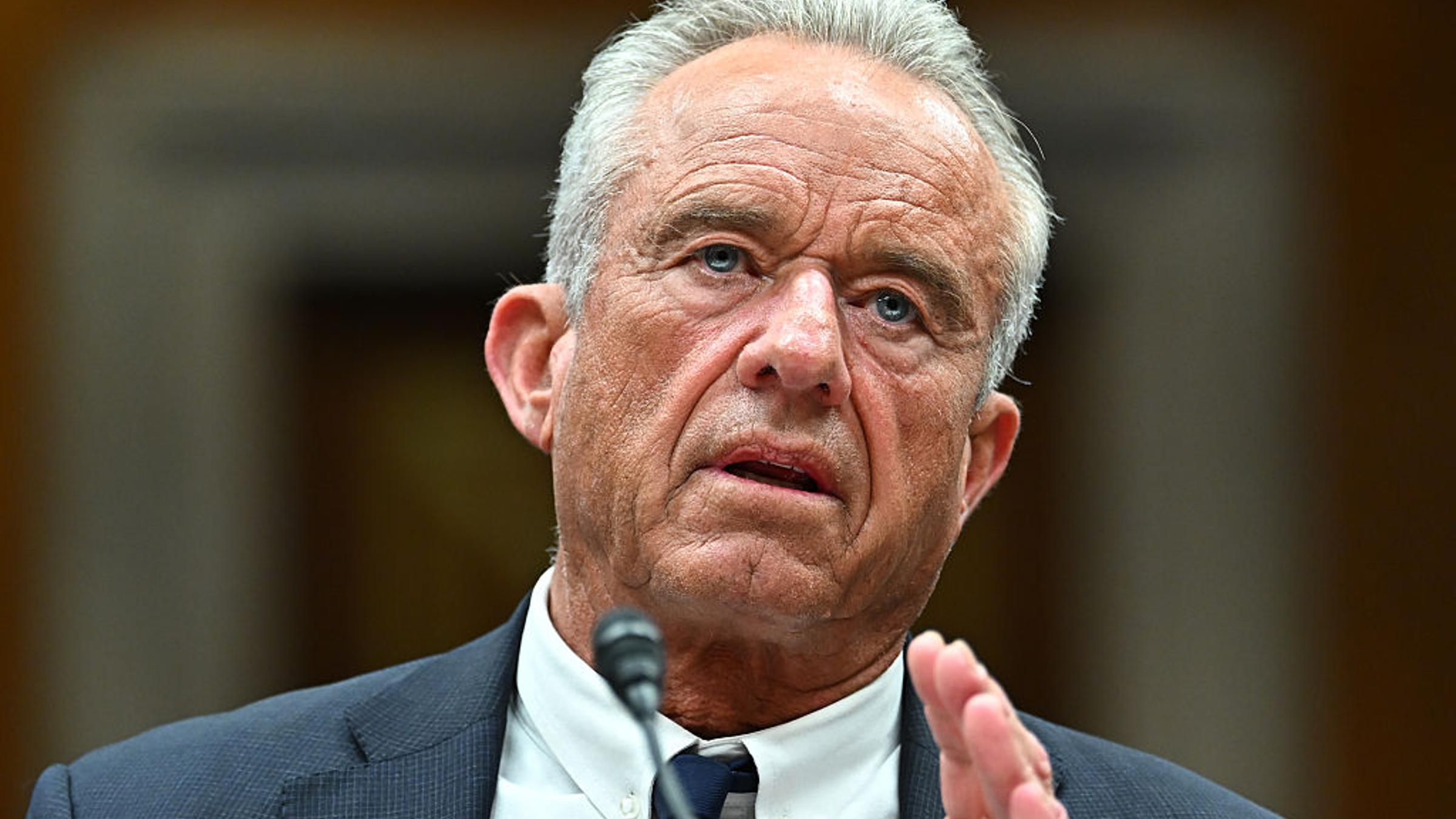
On April 21, 2026, Robert F. Kennedy Jr., Secretary of the U.S. Department of Health and Human Services, testified before the Senate Appropriations Subcommittee on Labor, Health and Human Services regarding the administration’s proposed 2027 budget. The hearing focused on significant reductions to health agency funding, including a proposed 12.5% cut to the Department of Health and Human Services budget, which would bring funding down to $111.1 billion for fiscal year 2027.
Kennedy defended the administration’s spending cuts, stating that whereas nobody within the agency wants to reduce funding for health programs, the final decisions rest with Congress. He emphasized that his role is to implement budget directives rather than shape them, responding to questions from senators about specific program reductions.
During the testimony, Kennedy addressed concerns about cuts to research grants at the National Institutes of Health, characterizing some previously funded studies as wasteful. He specifically mentioned research involving gender-affirming hormone therapy for transgender and gender-diverse adults as examples of what he described as misallocated funds, though he did not provide specific details about the studies or their funding levels.
The secretary acknowledged that earlier cancellations of critical grants for the Substance Abuse and Mental Health Services Administration were mistaken and characterized them as an overcorrection that his office reversed within 24 hours of becoming aware of the issue. This admission came in response to questioning about the administration’s approach to mental health and substance abuse funding.
Kennedy also discussed vaccine research funding, stating that he had authorized support for cancer vaccines and a universal flu vaccine initiative. He defended the cancellation of $500 million in grants for certain vaccine projects by asserting that the mRNA-based approaches for respiratory illnesses were ineffective, a claim that was immediately challenged by Senator Tammy Baldwin, who entered a New England Journal of Medicine study into the hearing record contradicting his position on mRNA vaccine efficacy.
Regarding international health commitments, Senator Jeanne Shaheen of New Hampshire questioned Kennedy about delayed funding for GAVI, the Vaccine Alliance. Kennedy acknowledged holding up the congressionally approved $300 million in funding, citing concerns about GAVI’s relationship with the World Health Organization, from which the United States withdrew under the Trump administration, and its apply of an older formulation of the diphtheria, tetanus, and pertussis vaccine. However, he agreed to appoint an HHS official to function with Shaheen’s office to resolve the funding dispute.
The hearing underscored ongoing tensions between the executive branch’s budget priorities and congressional oversight of health spending. Kennedy repeatedly framed the spending reductions as congressional decisions rather than agency preferences, while senators from both parties expressed concern about the potential impact on public health programs, particularly those serving women, children, and vulnerable populations.
As of the date of the hearing, no final action had been taken on the 2027 budget proposal, with the subcommittee expected to continue deliberations in the coming weeks. The administration’s budget request remains subject to modification and approval through the standard congressional appropriations process.
For ongoing coverage of federal budget developments and health policy updates, readers are encouraged to follow official congressional proceedings and agency announcements.
Worth a look
- Kitesurfer Resuscitated After Freak Wind Gust Blows Him Into Jet Ski at Oostduinkerke Beach
- French Women’s Team Eyes European Podium: Nice Update
- Abdul El-Sayed Defeats Haley Stevens in Michigan Senate Democratic Primary (time.news)
- House and Senate Passed Different Bills to Avoid the Same Shutdown (daybreakwire.com)