
Roberto Sánchez, a prominent figure within the Juntos por el Perú political coalition, has outlined a series of structural reforms for the country, centered on the promotion of industrialization, the formal recognition of a plurinational state, and the drafting of a new Constitution. These proposals arrive amidst a period of significant political tension, with critics and political analysts debating both the viability of the suggested changes and the institutional stability of the current governing framework in Peru.
The core of the debate concerns how these proposed reforms would reshape the relationship between the Peruvian state and its diverse regional populations. Proponents argue that a plurinational model is necessary to address systemic inequality, while opponents express concern regarding the potential for further polarization. The discourse highlights a growing divide between those seeking a fundamental rewrite of the nation’s legal foundations and those advocating for institutional continuity.
The Push for Constitutional and Structural Reform
At the heart of the current political discourse is the call for a new Constitution, a move that advocates like Sánchez maintain is essential to replace the framework established in 1993. The push for constitutional reform is frequently framed by its supporters as a necessary step to decentralize power and provide greater representation to indigenous and regional communities. According to reports from the Peruvian electoral oversight body, the Jurado Nacional de Elecciones (JNE), the formal recognition of these revised platforms remains a point of contention within the electoral registration process.
The concept of a “plurinational state”—a model that explicitly recognizes the cultural and linguistic diversity of the nation as a legal entity—represents a significant departure from current administrative norms. Supporters suggest this would allow for greater local autonomy, particularly in resource-rich regions. However, the proposal has faced scrutiny from political commentators who argue that such a shift could lead to legal fragmentation. The Congreso de la República del Perú continues to be the primary venue where these legislative debates are contested, as different factions vie for control over the direction of national policy.
Economic Strategy and Industrialization
Beyond constitutional changes, Sánchez has advocated for a state-led approach to industrialization. The strategy focuses on diversifying the economy to reduce dependence on raw material exports, a perennial goal in Peruvian economic policy. The proposal emphasizes adding value to national resources through domestic processing, which supporters claim would create more stable, long-term employment opportunities for the workforce.
Critics, however, have questioned the logistical feasibility and fiscal impact of such an ambitious industrial policy. Economic analysts often point to the need for a stable investment climate, noting that the current “copamiento de los poderes del Estado”—often described as the consolidation of power within state institutions—creates a climate of uncertainty that may deter the long-term private investment required for industrial scaling. The Banco Central de Reserva del Perú maintains regular updates on economic indicators, which serve as the baseline for assessing the impact of such proposed shifts in development strategy.
Institutional Stability and Political Challenges
The viability of these proposals is currently being tested by a volatile political environment. Observers note that Peru is experiencing what has been described as a profound social crisis, characterized by deep-seated distrust in traditional political parties and institutions. The Defensoría del Pueblo, which monitors social conflicts across the country, has documented numerous instances of civil unrest that underscore the urgency of these political debates.
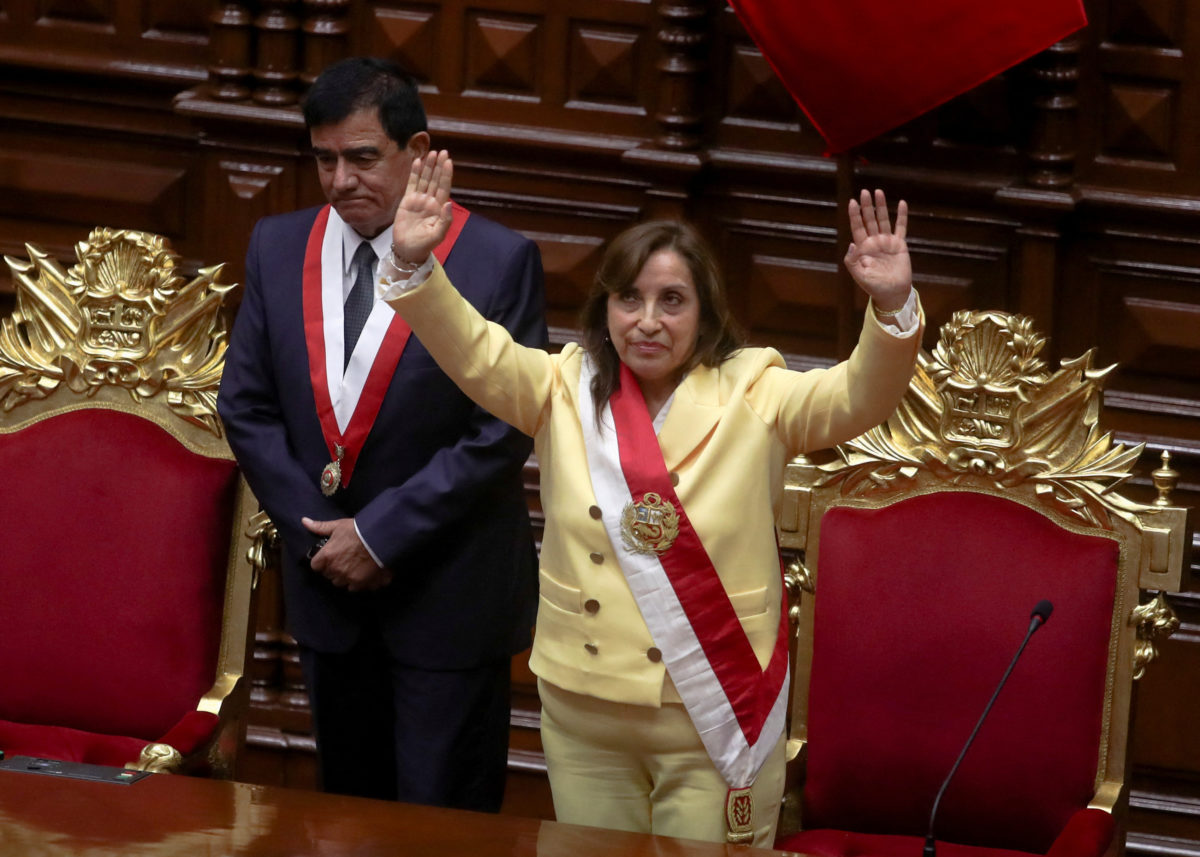
Furthermore, the internal governance of political coalitions like Juntos por el Perú has come under fire. Disputes over the legitimacy of updated government plans and the perceived lack of “gestos políticos”—or substantive political gestures aimed at reconciliation—have complicated the path forward. As the country approaches future electoral cycles, the ability of candidates to move beyond rhetoric and secure broad-based support for their platforms will remain the primary measure of their political efficacy.
The upcoming schedule for legislative sessions and potential electoral reforms will provide the next clear checkpoint for these discussions. Citizens and stakeholders are encouraged to monitor official government portals, such as the Gobierno del Perú website, for updates regarding pending legislation and electoral announcements. We welcome your perspective on these developments; please feel free to share your thoughts in the comments section below.
Related reading
- UAE Leads “Green Shield” Operation to Combat Environmental Crimes in the Amazon Basin
- Quilpituk Creek Wildfire Forces Mass Evacuation in Northern Region
- State Senator Brattin Backs New Kansas City Congressional Map Amid GOP Race (news-usa.today)
- Spain’s Pedro Sánchez Faces EU Backlash After Ceuta Migrant Crisis (archyworldys.com)