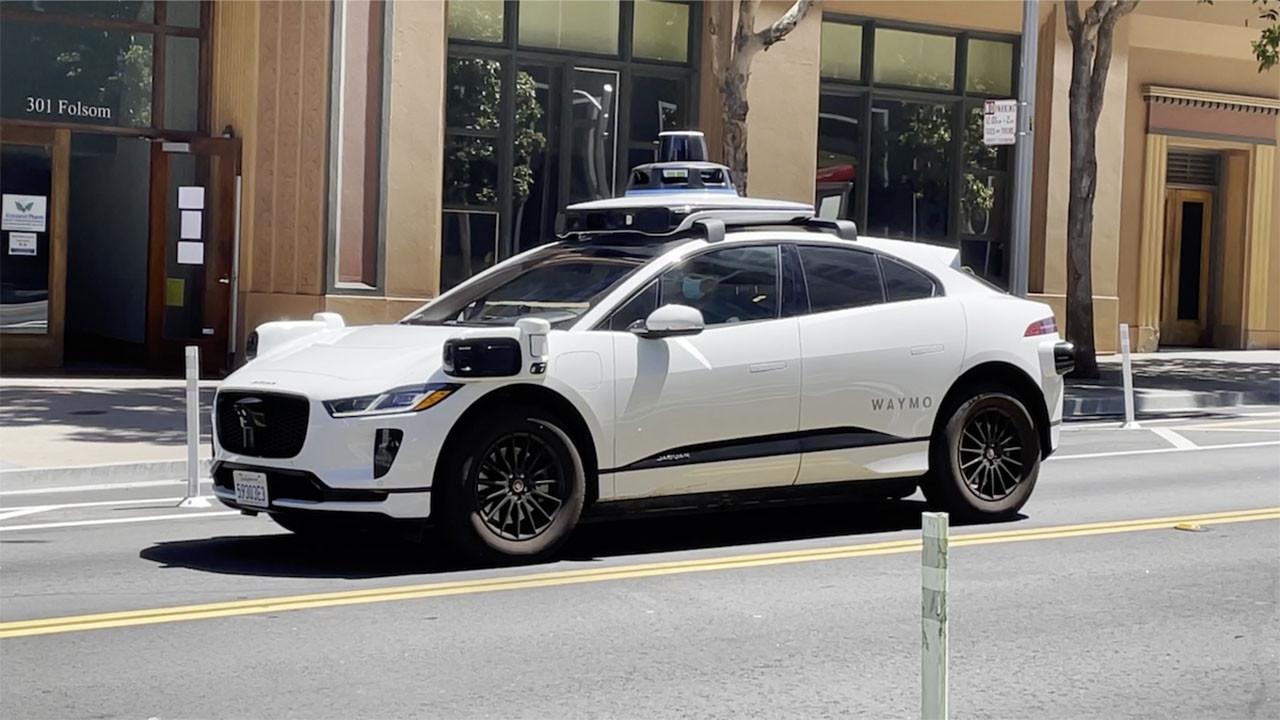
According to a comprehensive safety analysis published by the Insurance Institute for Highway Safety (IIHS), Waymo robotaxis achieved a 68 percent reduction in crash rates compared to human drivers across major metropolitan testbeds. The study evaluated autonomous vehicle performance data in urban environments including Phoenix, San Francisco, and Los Angeles, offering new insight into the operational safety of driverless fleets on public roads.
While the overall findings point to a dramatic drop in collisions involving injuries or police reports, safety researchers note that performance varies significantly depending on regional geography and driving conditions. The dataset establishes a critical benchmark for autonomous driving technology as regulatory bodies weigh wider commercial expansion. Yet, despite the strong safety metrics recorded in Western and West Coast cities, operational anomalies in other testing hubs continue to draw close scrutiny from urban planners and federal regulators.
Evaluating Autonomous Vehicle Safety in Major Metro Areas
The IIHS evaluation tracked millions of miles driven by Waymo’s autonomous fleet, comparing crash frequencies against historical baselines for human drivers in identical geographical zones. Analysts adjusted the data for factors such as time of day, road classification, and traffic density to ensure a direct comparison. In denser urban corridors like San Francisco and Los Angeles, the autonomous systems demonstrated a lower propensity for rear-end collisions and failure-to-yield incidents.
Industry analysts attribute these outcomes to the continuous operation of 360-degree sensor suites, radar, and lidar, which do not suffer from human fatigue, distraction, or impaired reaction times. However, traffic safety experts emphasize that robotaxis still encounter edge cases—unusual road configurations, erratic pedestrian behavior, and sudden construction zones—that test the limits of current machine-learning algorithms. The dichotomy between smooth operations in western metropolises and challenges elsewhere highlights the complexity of deploying uniform automated systems nationwide.
Regional Disparities: Phoenix, San Francisco, Los Angeles, and Austin
Performance metrics diverged notably when researchers examined individual deployment markets. Operations in Phoenix, San Francisco, and Los Angeles yielded the most favorable safety margins, with injury-causing crash rates falling well below local human averages. These regions benefited from extensive prior mapping, predictable grid layouts in certain sectors, and generally cooperative municipal frameworks.
Conversely, testing data from Austin presented a different operational picture. While autonomous fleets continue to navigate Texas capital streets, unique local traffic dynamics, rapid urban development, and variable weather patterns introduced distinct friction points. Researchers noted that these regional contrasts underscore the difficulty of scaling autonomous technology without local calibration. Autonomous vehicle developers must continually update their software stacks to handle distinct driving cultures and municipal infrastructures unique to each city.
Implications for Regulators and Urban Transit
The IIHS findings arrive at a pivotal moment for transportation authorities tasked with overseeing commercial robotaxi deployment. Municipal leaders face mounting pressure to balance the potential for reduced traffic fatalities against public concerns regarding gridlock, emergency vehicle interactions, and accountability during accidents. State and federal agencies are currently reviewing the data to determine whether standardized safety certifications should be established for nationwide autonomous transit.
As transit agencies look toward future integration, urban planners are assessing how driverless fleets might alter public transportation models and curb space management. Proponents argue that widespread adoption could reclaim urban land currently dedicated to parking, while critics caution against exacerbating congestion in dense downtown cores. Further regulatory updates and safety filings are expected later this year as national transportation boards review ongoing incident logs from all major autonomous operators.
What are your thoughts on the expanding footprint of autonomous fleets in urban centers? Join the conversation below and share this report with other readers interested in the future of transportation safety.
Keep reading
- Westfalia Rhynern vs. Dynamo Dresden: DFB Pokal 2026/27 TV, Stream & Date
- Medicare Part D Premiums May Rise in 2027 as Federal Subsidies End
- Regular School Attendance Is Key to Unlocking Mississippi’s Future Success (news-usa.today)
- Police Investigate Criminal Damage at Phoenix Apartment Complex (archyde.com)