Unlocking the Urban Mine: the Future of E-Waste Recycling with Robotics and AI
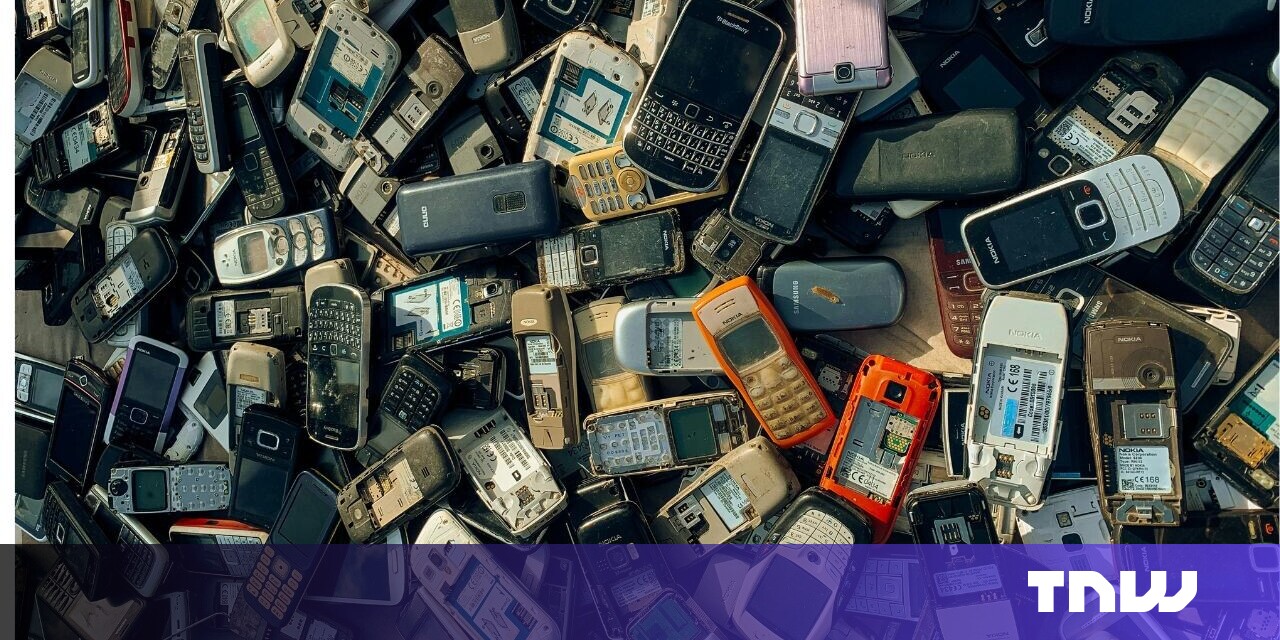
electronic waste, or e-waste, is one of the fastest-growing waste streams globally. But within this discarded technology lies a valuable resource – a veritable “urban mine” brimming with precious and critical materials. From gold and silver to copper, palladium, and rare earth elements, these components are essential for manufacturing the technology you rely on every day. Yet,the vast majority of this valuable material is lost,ending up in landfills instead of being recovered.
Why isn’t the tech industry, or other sectors, fully capitalizing on this prospect? The answer is complex, but increasingly, the solution lies in advanced robotics and artificial intelligence.
The Current State of E-Waste Recovery: A Missed Opportunity
Currently, e-waste recovery faces significant hurdles. Experts like Ingebretsen from SK Tes highlight the critical need for these materials. However, a global recognition of e-waste as a high-value resource is still developing. Companies are beginning to understand the potential of robotic recycling, but adoption is slow.
Several key factors contribute to this lag:
* High Costs: Robots and automation systems are expensive to develop, deploy, and maintain.
* Complexity of E-Waste: The sheer diversity of devices, components, models, and conditions of e-waste presents a major challenge.
* technological Limitations: AI capable of accurately identifying and adapting to this diversity is still largely in the research and growth phase.
* Design for Disposal issues: Modern devices are often glued together,making disassembly and component recovery difficult without causing damage.
The Rise of Robotic Recycling: A Technological Shift
Despite these challenges, optimism is growing. Progress is being made by companies across Europe and internationally,focused on both refurbishing existing tech and recycling valuable components. This shift is driven by the potential for automation to address the limitations of manual processes.
Here’s how robotics and AI are poised to revolutionize e-waste management:
* Automation of Hazardous Tasks: Robots can safely handle the dismantling of devices containing hazardous materials.
* Increased Efficiency: Automated systems can process e-waste at a substantially faster rate than manual labor.
* Enhanced Precision: AI-powered vision systems can identify and sort components with greater accuracy.
* Unlocking Hidden Value: Robotics allows for the recovery of even small, valuable materials that might be missed in traditional recycling methods.
Leading the Charge: Danish Innovation in E-Waste Solutions
Denmark is emerging as a hub for innovative e-waste solutions. Companies like Tier 1A,Refurb,and Greenmind are demonstrating that tech refurbishment can be a scalable and profitable business model. Some are already aiming to refurbish up to 2,000 units per day.
These companies, and researchers like Olsen and his team, are focused on developing robotic systems capable of recognizing and processing a wide range of laptop models and submodels.The ultimate goal is a production-ready robotic system that can support local tech refurbishment businesses.
The Future is Automated: What to Expect
The future of e-waste management is undeniably linked to advancements in robotics and AI. We can expect to see:
* Wider Adoption of AI-Powered Sorting: Systems that can accurately identify materials and components for efficient separation.
* Advanced dismantling Robots: Robots capable of safely and precisely disassembling complex devices.
* Closed-Loop Recycling Systems: Systems that recover materials and feed them back into the manufacturing process.
* Increased Focus on Design for Recycling: Manufacturers designing products with easier disassembly and material recovery in mind.
This isn’t just about environmental obligation; it’s about resource security.By unlocking the “urban mine” of e-waste, you contribute to a more lasting and resilient future for technology. The progress being made today signals a significant shift towards a circular economy for electronics, and a future where valuable resources are recovered, reused, and kept in circulation.
resources:
* Tier 1A
* Refurb