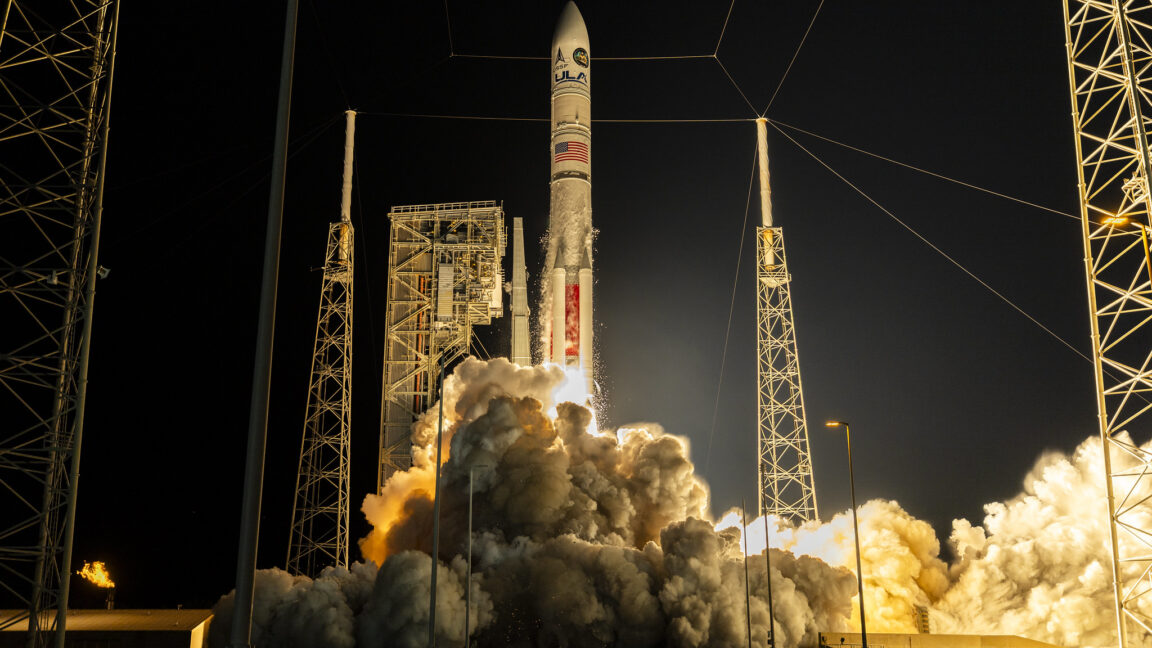
The burgeoning space industry, while promising unprecedented access to the cosmos, is increasingly under scrutiny for its environmental impact. Recent research indicates that rocket launches, and the re-entry of space debris, are contributing to atmospheric pollution in ways that could undermine decades of progress in protecting the ozone layer and altering stratospheric conditions. The issue extends beyond carbon emissions, encompassing the release of harmful chemicals and particulate matter that are only now beginning to be fully understood.
Atmospheric scientist Laura Revell, of the University of Canterbury in New Zealand, has been at the forefront of this research, presenting findings that demonstrate how rocket exhaust can partially reverse the gains made in ozone depletion mitigation. Her modeling suggests that a high-growth scenario – potentially 2,000 launches annually – could lead to approximately 3 percent ozone loss. This level of depletion is comparable to the atmospheric effects of a significant wildfire season, such as those experienced in Australia. The primary culprits behind this damage are chlorine-rich solid rocket fuels and black carbon particles released in the exhaust plumes.
The Ozone Layer and Rocket Emissions
The ozone layer, a region of Earth’s stratosphere containing high concentrations of ozone (O3), is crucial for absorbing most of the Sun’s harmful ultraviolet (UV) radiation. Depletion of this layer increases the amount of UV radiation reaching the Earth’s surface, leading to increased risks of skin cancer, cataracts, and damage to ecosystems. The Montreal Protocol, an international treaty signed in 1987, has been remarkably successful in phasing out ozone-depleting substances like chlorofluorocarbons (CFCs). Although, the introduction of new pollutants from rocket launches presents a renewed challenge to ozone recovery.
Revell’s research highlights that solid rocket fuels, often used in boosters for their high thrust, release significant amounts of chlorine. While chlorine is naturally present in the atmosphere, the sudden injection of large quantities from rocket launches disrupts the natural chemical balance, contributing to ozone destruction. Black carbon, also known as soot, is another major concern. It absorbs sunlight, warming the stratosphere and potentially altering atmospheric circulation patterns. According to Revell, this warming could raise temperatures in parts of the stratosphere by as much as half a degree Celsius, impacting wind patterns that influence weather systems and precipitation.
Beyond Ozone: The Growing Problem of Space Debris
The environmental impact of space activities isn’t limited to rocket exhaust. The increasing number of satellite launches and re-entries is also contributing to a growing accumulation of human-made material in the upper atmosphere. Researchers have observed a doubling in the mass of this material over the past five years, reaching nearly a kiloton annually. This debris consists of fragments from satellites, rocket stages, and other components that burn up during re-entry.
The composition of this debris is particularly concerning. Metals like lithium, aluminum, and other materials released during re-entry are present in quantities exceeding those from naturally occurring meteor disintegration. These metals can linger in the upper atmosphere for extended periods, potentially catalyzing chemical reactions and affecting atmospheric processes. A 2022 journal article co-authored by Moriba Jah, a professor of aerospace engineering and engineering mechanics at the University of Texas at Austin, underscored the increasing impacts of human activities on the upper reaches of the atmosphere, arguing that orbital space and near-space should be considered integral parts of the global environment.
Space Sustainability: A New Field of Research
The emerging field of space sustainability science is dedicated to understanding and mitigating the environmental consequences of space activities. Researchers are increasingly recognizing that the commercial exploitation of space, often perceived as a “free resource,” carries hidden costs that are borne by the global community. Leonard Schulz, who studies space pollution at the Technical University Braunschweig in Germany, warned at the 2023 European Geosciences Union conference that the release of catalytic metals into the atmosphere could potentially trigger unintended consequences akin to geoengineering. He expressed urgency, stating, “If you put large amounts of catalytic metals in the atmosphere, I immediately think about geoengineering.” Schulz further cautioned that there may be limited time to address these issues, suggesting, “In 10 years, it might be too late to do anything about it.”
The Challenge of Regulation and Mitigation
Currently, there is a lack of comprehensive international regulations governing the environmental impact of space launches and re-entries. While some national space agencies have implemented environmental guidelines, these are often voluntary and lack standardized enforcement mechanisms. The need for a globally coordinated approach is becoming increasingly apparent. Potential mitigation strategies include developing cleaner rocket fuels, improving satellite design to minimize debris generation, and implementing technologies for actively removing space debris. However, these solutions require significant investment and international cooperation.
The type of fuel used is a critical factor. Revell specifically noted that chlorine-rich solid rocket fuels pose a significant threat and suggested that their apply should be curtailed. Alternative fuels, such as liquid hydrogen and methane, produce fewer harmful emissions, but they may require significant modifications to existing launch infrastructure. The increasing focus on reusable rockets, while offering economic benefits, also introduces new environmental considerations related to the materials and processes used in refurbishment and re-launch.
The Expanding Commercial Space Sector
The rapid growth of the commercial space sector, driven by companies like SpaceX, Blue Origin, and Virgin Galactic, is exacerbating these environmental concerns. The demand for space-based services, including satellite internet, Earth observation, and space tourism, is projected to continue increasing in the coming years. This growth necessitates a proactive approach to environmental sustainability to prevent irreversible damage to the atmosphere. The expanding commercial use of space, as highlighted in the 2022 Nature article, is effectively shifting the real costs of these activities onto others, underscoring the need for greater accountability and responsible practices.
The issue isn’t simply about preventing ozone depletion. Changes in stratospheric temperatures and wind patterns can have cascading effects on global weather systems, potentially leading to more frequent and intense extreme weather events. The long-term consequences of these atmospheric alterations are still largely unknown, highlighting the urgency of further research and proactive mitigation measures.
Looking Ahead
The environmental impact of space activities is a complex and evolving issue that demands immediate attention. Continued research, international collaboration, and the development of sustainable technologies are essential to ensure that the benefits of space exploration do not come at the expense of our planet’s atmosphere. The next key event to watch will be the upcoming meeting of the United Nations Committee on the Peaceful Uses of Outer Space (COPUOS) in June 2026, where discussions on space sustainability are expected to be a prominent agenda item.
What are your thoughts on the environmental impact of space travel? Share your comments below, and let’s continue the conversation. Don’t forget to share this article with your network to raise awareness about this critical issue.
Keep reading
- Samsung to Launch 4 New Foldables in 2027: Z Fold9 Ultra and Z TriFold 2 Rumored
- Lego Batman: Legacy of the Dark Knight – Open World Gameplay and Metacritic Score
- Rothamsted Research Studies World’s Oldest Permanent Grassland Experiment (archyworldys.com)
- Get Ready for New Season’s Shows at Riga’s Seaside Theatre (world-today-news.com)