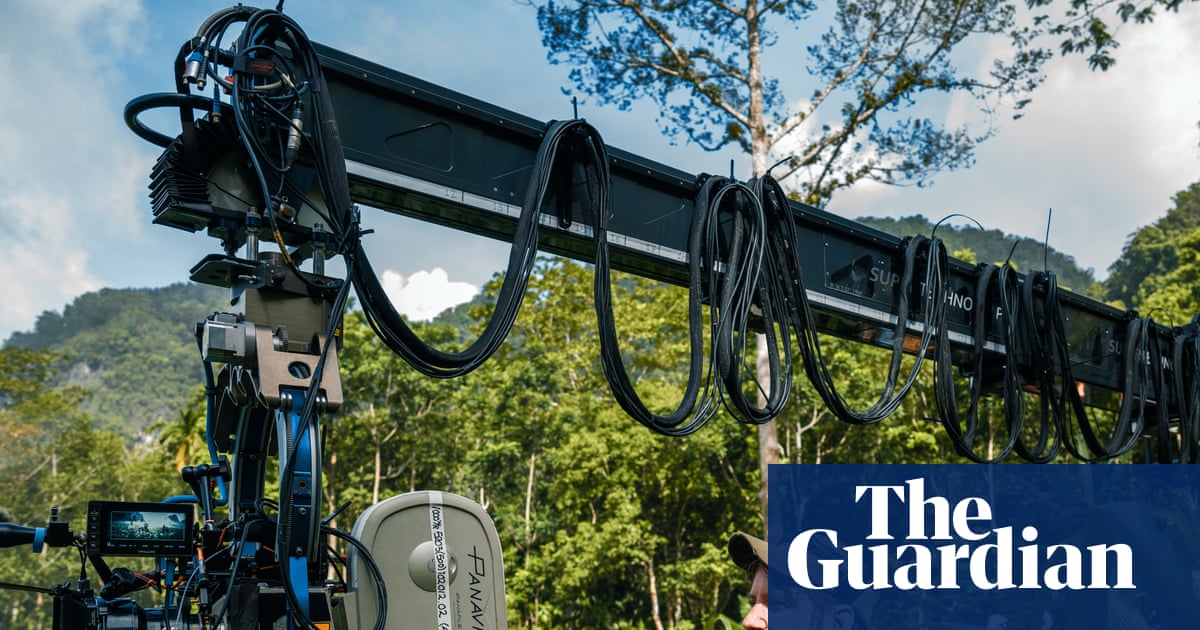
In the rapidly evolving landscape of modern cinema, the debate surrounding artificial intelligence has moved from the fringes of theoretical discussion to the center of Hollywood’s creative workshops. Gareth Edwards, the visionary director behind Rogue One: A Star Wars Story and the upcoming Jurassic World Rebirth, has become one of the most prominent voices advocating for the integration of generative AI into the filmmaking process. Speaking recently at the “AI on the Lot” event in Culver City, California—an industry gathering hosted by Amazon—Edwards offered a provocative perspective on how these emerging technologies are poised to fundamentally reshape how stories are brought to the screen.
For many filmmakers, the adoption of generative AI represents a paradigm shift comparable to the invention of the camera itself. Edwards, whose career is defined by his mastery of visual spectacle and technical innovation, suggested that the current capabilities of AI tools are already far exceeding traditional methods of post-production. By positioning AI as a collaborative partner rather than a replacement for human ingenuity, Edwards is challenging the industry to reconsider the limitations of current visual effects workflows.
The Case for AI as a Filmmaking Tool
During his appearance at the Culver City event, Edwards did not shy away from the intensity of the debate, describing the potential of these new tools in stark, enthusiastic terms. As reported by The Hollywood Reporter, the director argued that generative AI serves as a “fucking genius” assistant for creators, capable of executing complex tasks that would otherwise require massive teams and months of rendering time. Edwards emphasized that he struggles to find a reason why any filmmaker would choose to ignore such a powerful technological advancement.

The core of his argument rests on the efficiency and aesthetic quality of AI-generated assets. While Computer Generated Imagery (CGI) has been the gold standard for blockbusters since the mid-1990s, Edwards believes that AI is destined to surpass it. He views the technology not just as an iteration of existing digital tools, but as a revolutionary leap forward. For a director who utilized a minimalist, highly efficient production style for his 2023 film The Creator, this embrace of AI feels like a natural progression in his pursuit of high-fidelity imagery on constrained budgets.
Beyond CGI: The Evolution of Visual Effects
The transition from traditional CGI to AI-driven workflows is a topic of significant interest within the industry, particularly as studios look for ways to manage the ballooning costs of visual effects production. According to industry analysis from CNBC, production companies are increasingly exploring AI to streamline pre-visualization, background generation, and even character animation. This shift is occurring at a time when the broader entertainment industry is navigating the complex legal and ethical implications of using generative models, including ongoing discussions regarding intellectual property and labor protections.

Edwards’ perspective is particularly notable because it highlights the “democratization” of filmmaking. By lowering the barrier to entry for high-end visual effects, AI could theoretically allow independent filmmakers to achieve a scope and scale that was previously restricted to major studio productions. However, this optimism is balanced by the concerns of labor unions like SAG-AFTRA and the WGA, who successfully negotiated protections regarding the use of AI in their most recent bargaining agreements, as documented by the SAG-AFTRA 2023 TV/Theatrical Agreement.
Industry Reception and the Future of Production
The reception to Edwards’ comments has been varied, reflecting the deep divide within the creative community. While some directors and visual effects artists share his enthusiasm for the creative potential of AI, others remain cautious about the long-term impact on employment and the potential homogenization of artistic style. The “AI on the Lot” event itself was designed to bridge this gap, bringing together technologists and storytellers to discuss how these tools can be integrated responsibly.
As we look toward the future of the medium, the influence of figures like Gareth Edwards will likely play a key role in how these tools are adopted. His work on Jurassic World Rebirth, which is currently in active development, will be a major case study in how modern blockbusters incorporate these technologies. With a scheduled release date of July 2, 2025, as confirmed by Universal Pictures, the film is expected to set a new benchmark for how visual effects are conceptualized and executed in the post-pandemic era.
Key Takeaways on the AI Filmmaking Shift
- Technological Parity: Gareth Edwards views AI as a tool as fundamental as the camera, suggesting it will redefine the standard for visual effects.
- Efficiency and Scale: The primary appeal of AI for directors lies in its ability to handle complex creative tasks, potentially reducing the time and financial overhead of traditional CGI.
- Ongoing Labor Debates: The integration of AI remains a point of tension, with industry guilds actively working to ensure that human creators are protected as these tools become more prevalent.
- Future Benchmarks: Projects like Jurassic World Rebirth are expected to demonstrate the practical application of these technologies in a high-stakes, commercial environment.
What Happens Next?
The industry is currently in a period of rapid experimentation. As studios continue to invest in AI infrastructure, we can expect to see more specific guidelines emerge regarding the use of generative models in film production. The next major checkpoint for the industry will be the 2025 awards season, where the conversation around what constitutes “original” creative work in an era of AI-assisted production will likely take center stage.

as legal frameworks around copyright and generative AI continue to evolve in the courts, filmmakers will need to remain vigilant about how they utilize these tools to ensure their work remains protected and compliant with emerging standards. For now, the debate remains open, and the creative community is watching closely to see how the next generation of blockbusters balances the allure of AI with the irreplaceable touch of human artistry.
What are your thoughts on the role of AI in cinema? Do you believe, like Gareth Edwards, that it will become an essential instrument in the director’s toolkit, or does it risk losing the “human soul” of the art form? Join the conversation in the comments section below and share this article with your fellow film enthusiasts.