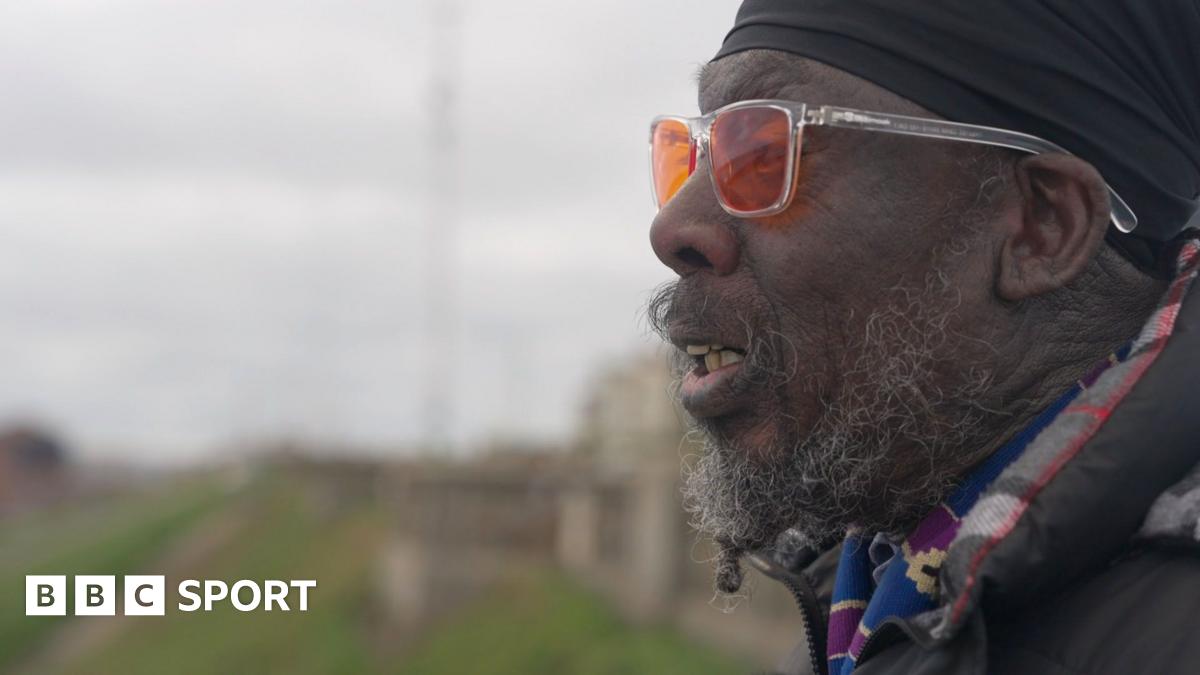
For nearly half a century, the story of Sunderland’s first Black footballer remained buried in silence, a personal burden carried in isolation. Roland “Roly” Gregoire, who made his debut for the club in 1978, has finally spoken out about the harrowing experiences of racial abuse that defined his short-lived career. For 46 years, the trauma was so profound that Gregoire felt unable to share his reality, fearing that his voice would go unheard.
Gregoire’s emergence as a professional athlete was intended to be a milestone, both for his own career and for the club. However, the dream quickly soured. After signing from Halifax Town on November 5, 1977, for a fee of £5,000, Gregoire’s trajectory was altered by the systemic racism he encountered on the pitch and from the terraces. His story serves as a stark reminder of the long-term human cost of discrimination within professional sports, as reported by the BBC.
A Career Cut Short by Prejudice
The transition to top-flight football for a young talent from the Fourth Division is often fraught with pressure, but for the 19-year-old Gregoire, the challenge was compounded by the color of his skin. His first-team debut on January 2, 1978, in a 2-0 victory against Hull City, should have been a moment of triumph. Instead, it marked the beginning of a relentless campaign of racial abuse that left an indelible mark on his psyche.

Gregoire, now 67, describes the ordeal as being so painful that he struggled to watch the sport for decades following his forced retirement due to injury. The psychological toll was so heavy that he eventually moved away from the area and changed his name to escape the memories. “Sometimes I wish I’d never played football, to tell you the truth, because some of the pain, I can still feel it,” Gregoire shared in an emotional interview. The silence he maintained for 46 years was rooted in a belief that society was not ready to listen to his account of the abuse he endured during his time at Roker Park.
The Legacy of Silence and the Path Forward
The decision to break his silence comes at a time when the football community is re-evaluating its history regarding diversity and inclusion. Gregoire’s testimony provides a visceral perspective on the environment of the late 1970s, a period where racial abuse was often ignored or dismissed by those in positions of authority. By speaking out now, he hopes that modern supporters can better understand the historical context of the challenges faced by pioneering Black players in the English Football League.

The impact of his disclosure has resonated throughout the sport, prompting further discussions on how clubs address historical injustices. While modern football has introduced various protocols and action plans to combat racism—involving current players like Sunderland’s Romaine Mundle and Habib Diarra—the experiences of veterans like Gregoire highlight the importance of acknowledging the scars left by past generations. Transparency regarding these experiences is vital for the ongoing efforts to ensure that the sport remains inclusive and safe for all participants.
Understanding the Historical Context
To grasp the significance of Gregoire’s revelation, It’s necessary to look at the landscape of the 1970s. During this era, many Black players faced similar barriers, often with little to no support from their clubs or governing bodies. The lack of institutional mechanisms meant that players were frequently left to navigate the trauma of abuse alone. Gregoire’s account underscores the necessity of the current “Racism action plan” efforts, which aim to prevent such isolation from recurring.

Key Insights into the Experience of Pioneer Players
- Systemic Barriers: Players in the 1970s often lacked the support structures available in the modern game.
- The Cost of Silence: The psychological burden of unaddressed trauma can last for decades, affecting a person’s relationship with the sport they once loved.
- Institutional Responsibility: Clubs are increasingly recognizing the need to document and address their own histories of racial discrimination to foster a more equitable future.
As the football world continues to grapple with these historical truths, the courage of individuals like Roly Gregoire remains the catalyst for change. By reclaiming his narrative after nearly half a century, he has ensured that his experience is no longer hidden, but part of the broader, necessary dialogue on the evolution of equality in professional football.

The conversation around this issue is ongoing, with football authorities and clubs expected to continue their assessments of historical records and support for former players. We encourage our readers to share their thoughts and reflections on this significant piece of football history in the comments section below. Stay tuned to the World Today Journal for further updates as this story develops.
Related reading