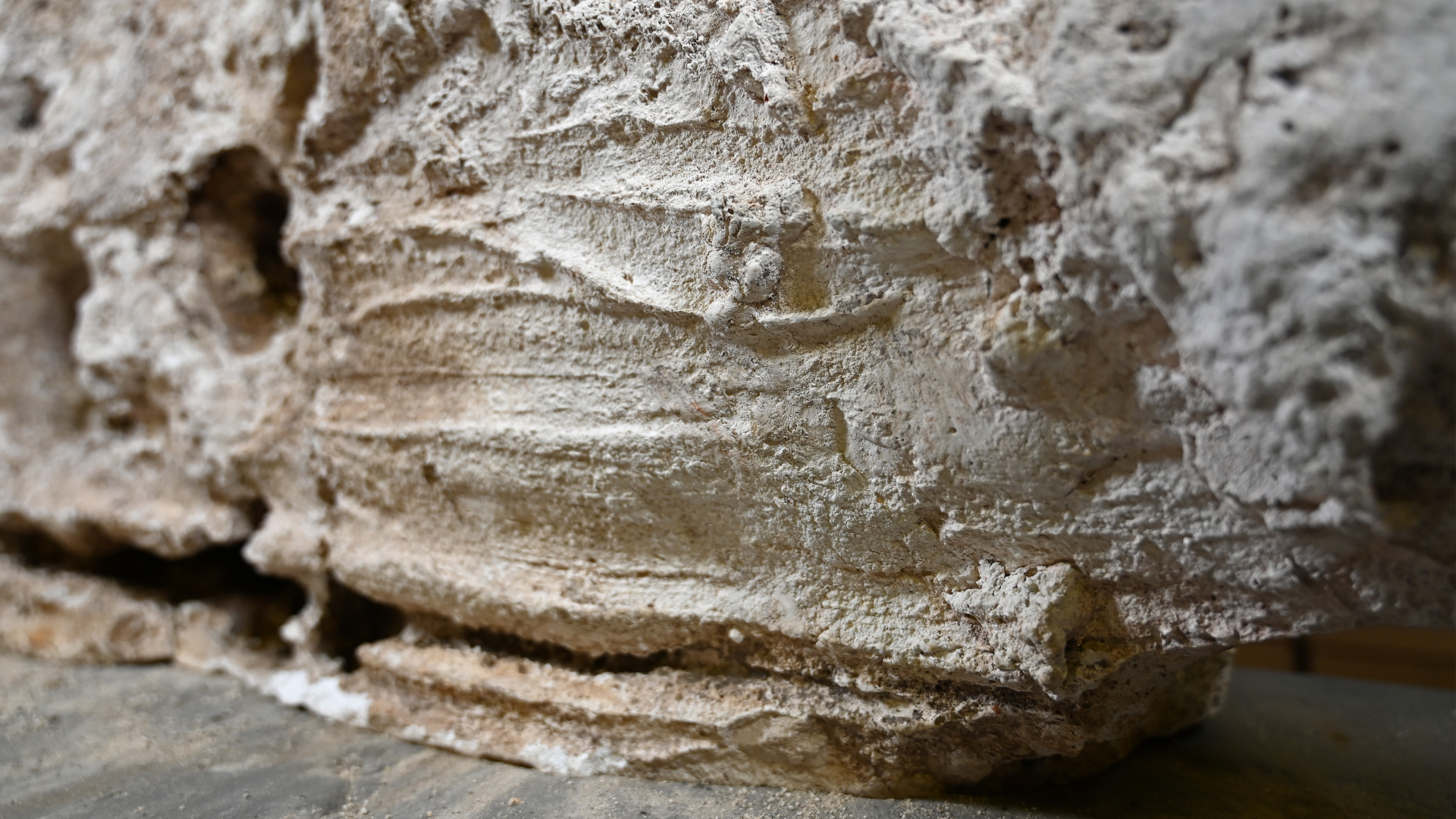
Ancient Fingerprints Offer Intimate glimpse into Roman Burial Rituals
remarkable fingerprints discovered on a Roman-era coffin in York, England, are rewriting our understanding of funerary practices in Roman Britain. These aren’t just impressions; they represent a deeply personal connection between the living and the deceased, offering a rare window into the emotions and rituals surrounding death nearly 2,000 years ago.
A Shift in Understanding
Initially, archaeologists believed a liquid gypsum plaster was heated and poured over the body within the coffin. However, the clarity of the preserved fingerprints revealed a different story. It appears the gypsum was actually a soft paste, carefully smoothed over the body by hand.
The team hadn’t noticed the prints initially because the gypsum was applied so close to the coffin’s edges.Only after carefully removing the casing did these delicate impressions become visible.This finding fundamentally changes how researchers interpret the burial process.
A Personal Touch
These fingerprints and hand marks demonstrate a level of intimate contact with the deceased that wasn’t previously known in roman funerary contexts. They are a striking testament to the emotional weight of death and the care taken in preparing the body for its final rest.
consider this: someone physically touched the body, smoothing the gypsum plaster with their own hands. Was it a professional undertaker, or a grieving family member? The fingerprints offer a tantalizing clue, potentially revealing the identity – or at least the role – of the last person to touch the deceased.
The Potential for Further Discovery
Researchers are now exploring the possibility of extracting DNA from the handprints. While it’s a long shot, the potential reward is significant. Successfully isolating genetic material could reveal the sex of the individual who left the prints, providing invaluable insight into the burial practices of the time.
Here’s a breakdown of what makes this discovery so significant:
* Challenges Previous Assumptions: The fingerprints overturned the initial hypothesis about how the gypsum was applied.
* Demonstrates Personal Connection: They highlight the intimate and emotional nature of Roman burial rituals.
* Offers Potential for DNA Analysis: The possibility of genetic analysis could unlock further details about the individuals involved.
* Unique Archaeological Find: Such well-preserved handprints are exceptionally rare in Roman archaeological contexts.
What This Means for Our Understanding of Roman Life
This discovery isn’t just about a burial; it’s about people. It’s about their beliefs, their emotions, and their relationships with those who had passed on. You can imagine the scene: a quiet moment of preparation, a final act of care, and the lasting imprint of a human hand on a coffin from centuries ago.
These fingerprints remind us that even across vast stretches of time, the fundamental human experiences of love, loss, and remembrance remain constant. They offer a powerful connection to the past,allowing you to glimpse the lives and emotions of those who lived long before us.
Want to test your knowledge of Roman Britain? Take our Roman Britain quiz and see what you know about the Empire’s conquest of the British Isles. https://www.livescience.com/archaeology/romans/roman-britain-quiz-what-do-you-know-about-the-empires-conquest-of-the-british-isles