
Rooftop solar power subscriptions—where homeowners pay a monthly fee instead of buying panels outright—are rapidly gaining traction in the U.S., with industry analysts estimating the model could expand the market by 30% within three years. The shift mirrors the rise of streaming services like Netflix, offering a familiar, low-commitment entry point for households eager to cut energy bills and carbon footprints. According to a Wood Mackenzie report published last month, at least 12 major solar providers now offer subscription plans, with some—like SolarUnleashed and Arcadia—reporting a 50% increase in sign-ups since 2023.
Unlike traditional solar leases or Power Purchase Agreements (PPAs), these subscriptions typically require no upfront costs, no long-term contracts, and allow homeowners to cancel at any time. The model is particularly appealing in states like California, where net metering policies incentivize solar adoption, and Texas, where energy costs remain high. “This is a game-changer for middle-class households who can’t afford a $20,000 installation but want to reduce their bills,” says Dr. Jenny Chase, solar analyst at the National Renewable Energy Laboratory (NREL). “It’s the first time solar has been truly democratized.”
The subscription approach also aligns with broader trends in the energy sector, where 78% of U.S. utilities now offer some form of renewable energy subscription or community solar program, according to the U.S. Energy Information Administration (EIA). Yet critics warn the model may not be as cost-effective as outright ownership in the long run, with some industry reports suggesting subscribers could pay 15–20% more per kilowatt-hour than those who buy panels. The debate over affordability comes as global solar installations hit a record 215 GW in 2023, per IEA data, with subscriptions driving much of the growth in residential markets.
How Solar Subscriptions Work—and Who They’re For
Solar subscriptions operate on a pay-as-you-go model, where companies install panels on a homeowner’s roof and bill them monthly—typically between $80 and $150, depending on usage and location. Unlike leases, subscribers own the energy generated and can often switch providers or cancel without penalties. For example, SolarUnleashed’s basic plan starts at $99/month and includes maintenance, while Arcadia’s offering averages $120/month in high-sunlight states like Arizona.
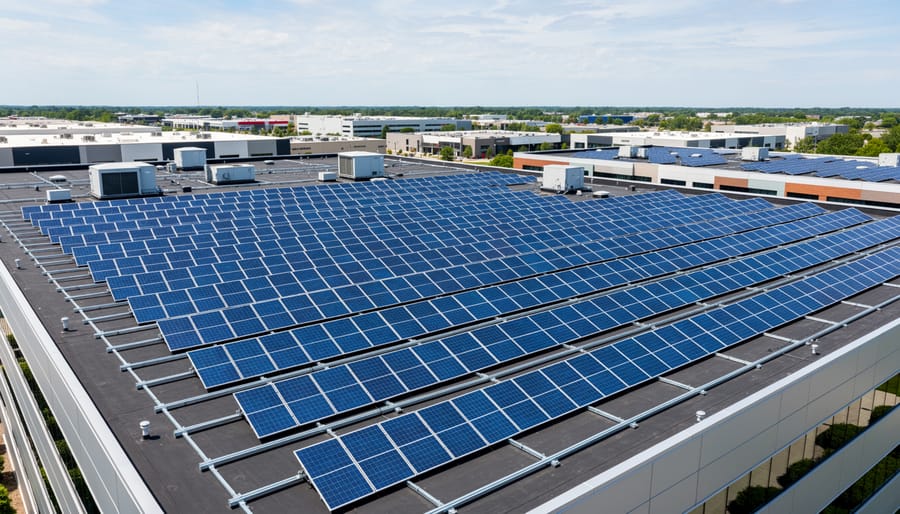
Eligibility varies by provider but generally requires:
- A south-facing roof with minimal shading (most providers use satellite imagery to assess suitability).
- No existing solar panels (though some allow removal of old systems).
- A credit score above 650 (some providers, like SunPower, require 700+).
- Proof of homeownership (renters are typically excluded).
One key difference from traditional solar is that subscriptions often do not qualify for federal tax credits. Under the Inflation Reduction Act (IRA), homeowners who buy panels outright can claim a 30% federal tax credit (up to $7,500 for residential solar), but subscribers miss out. “This is a major sticking point,” notes Dr. Galen Barbose, energy economist at Lawrence Berkeley National Laboratory. “Subscribers are effectively paying a premium for convenience.”
Financial Breakdown: Are Subscriptions Worth It?
To determine whether a subscription pays off, experts recommend comparing three key metrics:

| Metric | Subscription Cost (Avg.) | Outright Purchase Cost | Payback Period |
|---|---|---|---|
| Monthly Fee | $100–$150 | N/A (but savings on electric bills) | N/A |
| Upfront Cost | $0 | $15,000–$30,000 (after tax credits) | N/A |
| Energy Savings (Annual) | $1,200–$2,500 | $1,500–$3,500 (after tax credits) | 5–10 years (subscription) 6–8 years (outright) |
| Long-Term Cost (20 Years) | $24,000–$36,000 | $10,000–$20,000 (after tax credits) | — |
Source: Analysis by NREL and LBNL, based on 2023–2024 utility data.
For homeowners who move frequently or lack the capital for upfront costs, subscriptions offer flexibility. However, those planning to stay in their homes for 10+ years may save more by purchasing panels outright—especially in states with strong net metering policies, like California or New York. “The subscription model is brilliant for short-term adopters, but it’s not a replacement for ownership,” says Sean White, president of the Solar Energy Industries Association (SEIA).
Regulatory and Industry Challenges Ahead
The solar subscription boom has sparked regulatory scrutiny, particularly around energy billing transparency and utility conflicts of interest. Last month, the Federal Energy Regulatory Commission (FERC) opened an inquiry into whether subscription providers are overcharging customers by bundling installation, maintenance, and energy costs. The probe follows complaints from consumer groups, including the Consumer Federation of America, which argues that some subscriptions lack clear cancellation policies.
Industry insiders also warn of supply chain risks. While panel prices have dropped 80% since 2010 (per IEA), disruptions in solar-grade silicon production—particularly from China’s export controls—could drive up subscription costs in 2025. “The model is fragile if panel prices spike,” cautions BloombergNEF’s Alex Anderson, head of solar analysis.
Global Implications: Could Subscriptions Go Viral?
While the U.S. leads in solar subscriptions, other markets are watching closely. In the UK, companies like Octopus Energy have piloted “solar-as-a-service” plans, though adoption remains limited due to high upfront infrastructure costs. Meanwhile, in Germany, where feed-in tariffs have historically driven solar growth, subscriptions are gaining traction among renters through shared solar programs.
Experts suggest three factors could determine whether subscriptions spread globally:
- Regulatory clarity: Governments must standardize billing and cancellation rules to avoid consumer backlash.
- Panel price stability: Supply chain disruptions could make subscriptions less affordable.
- Utility cooperation: Many U.S. utilities own solar providers (e.g., PG&E’s partnership with SolarUnleashed), raising concerns about conflicts of interest.
The model’s success also hinges on public perception. A Pew Research survey from 2023 found that 62% of U.S. homeowners view solar as a “smart investment,” but only 38% believe it’s affordable. Subscriptions could bridge that gap—if providers can prove long-term savings outweigh the convenience premium.
What Happens Next: Key Deadlines and Updates
The next critical milestones for solar subscriptions include:
- June 2024: FERC is expected to release its findings on subscription pricing transparency. Stakeholder comments are due by May 15.
- Q3 2024: The IRS may clarify whether subscription energy can qualify for state-level solar incentives, potentially expanding eligibility.
- 2025: The U.S. Department of Energy will release its annual solar market report, which may include updated adoption rates for subscription models.
For homeowners considering a switch, providers recommend comparing at least three quotes and checking state-specific incentives. The Database of State Incentives for Renewables & Efficiency (DSIRE) offers a state-by-state breakdown of solar programs. Meanwhile, the SEIA provides a tool to estimate savings by location.
As the model evolves, one thing is clear: solar subscriptions are no longer a niche experiment. With major players like Tesla reportedly testing subscription pilots and utilities rushing to launch their own programs, the question isn’t whether this trend will grow—but how quickly.
What’s your experience with solar subscriptions? Share your thoughts in the comments—or tag us on X @WorldTodayBiz if you’ve signed up for a plan.
- LeBron James to Make 76ers Debut Against Knicks in 2026-27 Season Opener
- Volkswagen Jetta 2027: Price, Specs, Versions, and Colors in Mexico
- Total Solar Eclipse August 12, 2026: Live Updates & Totality Countdown (archyworldys.com)
- Tariff vs. Price Floor: What Trump's New Solar Rule Does (daybreakwire.com)