“Rosemead“: A Tough Watch That Raises Troubling Questions About Trauma adn Representation
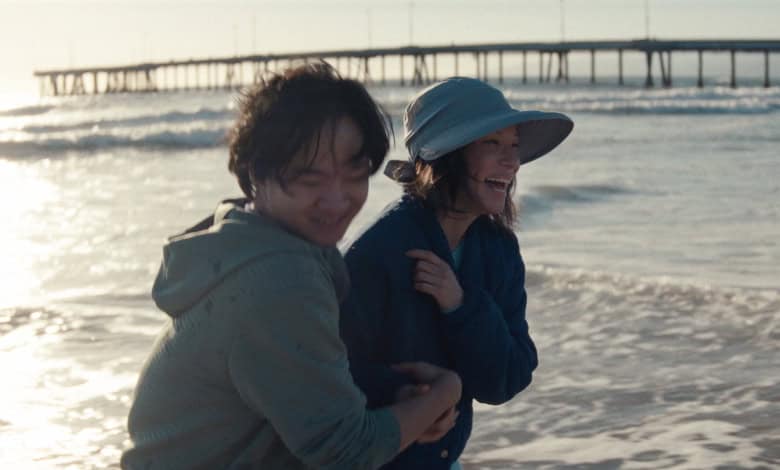
Lucy Liu‘s latest film, “Rosemead,” is a deeply unsettling experience. Based on a true story, it centers on a mother battling cancer while grappling with her son’s disturbing obsession with school shootings. This review delves into why, despite strong performances, the film ultimately feels exploitative and leaves a lingering sense of discomfort.
The premise itself is inherently challenging. You’re placed in a position of anticipating tragedy, hoping for intervention, or bracing for the unavoidable. This creates a constant state of unease, and it’s a feeling the film doesn’t shy away from.
A Story Rooted in Reality, But at What Cost?
The filmmakers acknowledge the true-life basis of the story, and this adds another layer of complexity.The inclusion of images related to real-world tragedies – specifically Columbine and the Aurora theater shooting – is notably jarring. As someone who lived in Colorado during those horrific events,the film’s use of such imagery feels,frankly,in poor taste.
It’s a fine line to walk. Exploring trauma through art can be powerful, but it requires sensitivity and a clear purpose beyond shock value.”Rosemead” struggles to find that balance. The film risks re-traumatizing viewers and potentially glorifying the very acts it seems to condemn.
Here’s what contributes to that uneasy feeling:
* Focus on the Perpetrator: The narrative generates suspense around whether the son will become a school shooter, a framing that feels inherently problematic.
* Graphic Imagery: The inclusion of photos of victims and perpetrators feels gratuitous and adds little to the narrative.
* Lack of Insight: The film dives into the darkness without offering ample exploration of the underlying causes or potential solutions.
Performances Shine,But Can’t Salvage the Core Issues
Liu delivers a compelling performance as the mother,and Shou is equally extraordinary as her troubled son. Their dramatic range is undeniable. However, even strong acting can’t overcome a fundamentally flawed approach to a sensitive subject.
The ending, as many anticipate, is devastating. It’s not a twist designed to surprise, but a gut punch intended to leave you reeling. While effective in its emotional impact, it doesn’t feel earned or cathartic. It simply adds to the overall sense of bleakness.
Comparisons and context
“Rosemead” attempts to navigate similar territory as films like Gus Van sant’s “Elephant” (2003) and “We Need to talk About Kevin” (2011). Though, it falls short of their nuanced explorations of violence and its roots. It’s closer in tone to “‘night Mother” (1986), focusing on despair and tragedy, but lacks the former’s introspective depth.
The film’s biggest failing is its lack of perspective. It presents tragedy without offering much in the way of understanding or hope. It’s a grim reenactment, not a cautionary tale.
Is This a Conversation Worth Having?
Ultimately, “Rosemead” is a difficult film to recommend. If it sparks meaningful conversations about mental health, trauma, and the impact of violence, then perhaps it will have served a purpose. However, its manipulative and exploitative tendencies are hard to ignore.
While the actors deserve recognition for their work, “rosemead” is a film you may want to avoid, especially if you are sensitive to the subject matter.
rating: Two out of Five Stars
Source: https://www.hollywoodintoto.com/rosemead-review-lucy-liu/
Related reading