
London-based biotechnology company RQ Bio has successfully secured $115 million in a Series A funding round to accelerate the development of its lead long-acting antibody therapeutic, RQB01. The capital injection is intended to advance the clinical pipeline of this monoclonal antibody candidate, which is specifically designed to provide broad-spectrum protection against influenza, particularly for immunocompromised patients and other high-risk populations. According to the company’s official financial disclosures, this funding milestone marks a significant step in transitioning their research-stage assets into active clinical development programs.
The development of RQB01 addresses a critical gap in current influenza management: the limited efficacy of traditional vaccines in individuals with weakened immune systems. While seasonal flu vaccines rely on the recipient’s immune response to generate protective antibodies, long-acting antibody therapeutics provide immediate, passive immunity. This mechanism bypasses the need for the patient’s own immune system to “learn” how to recognize the virus, offering a potential lifeline for those who remain vulnerable despite standard vaccination efforts, as noted by the Centers for Disease Control and Prevention (CDC) regarding the necessity of specialized protections for immunocompromised groups.
The Mechanics of RQB01 and Long-Acting Protection
Unlike traditional influenza vaccines that stimulate the body to produce antibodies over several weeks, RQB01 is an engineered monoclonal antibody designed to neutralize a wide array of influenza A and B strains. By administering these antibodies directly, researchers aim to provide immediate, high-titer protection that persists for an extended duration. This “long-acting” characteristic is achieved through specific molecular modifications that increase the half-life of the drug within the human bloodstream, reducing the frequency of dosing required for consistent coverage.
The pharmaceutical landscape for infectious diseases has increasingly shifted toward these types of passive immunotherapies, particularly following the successful deployment of monoclonal antibodies during the COVID-19 pandemic. According to research published by the National Institutes of Health (NIH), monoclonal antibodies serve as a vital tool for preventing severe disease in populations that do not respond robustly to conventional immunization strategies. For patients undergoing chemotherapy, organ transplant recipients, or those with underlying chronic conditions, this approach represents a shift from reactive treatment to proactive, targeted prevention.
Strategic Impact of the Series A Funding
The $115 million investment will be utilized to fund the necessary Phase I and Phase II clinical trials required to establish safety and efficacy profiles for RQB01. Clinical drug development is a capital-intensive process, with the average cost of bringing a new biological entity to market often exceeding $1 billion, according to data from the Tufts Center for the Study of Drug Development. By securing this substantial Series A round, RQ Bio gains the runway needed to reach key regulatory milestones and demonstrate the therapeutic value of their platform to potential future partners or commercial buyers.
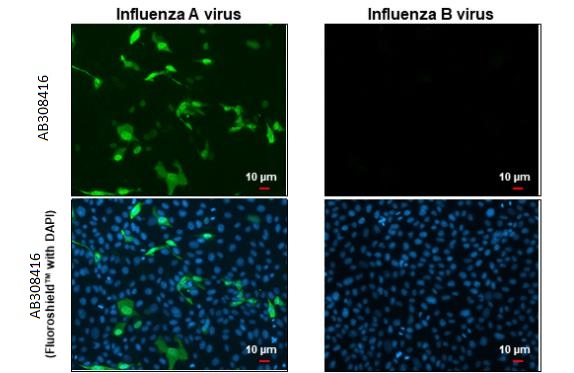
Investors in this round have signaled confidence in the company’s proprietary antibody discovery platform, which uses advanced bioinformatics to identify antibodies capable of neutralizing highly mutable viruses. The influenza virus is notoriously difficult to target due to constant antigenic drift—the process by which the virus changes its surface proteins to evade immune detection. RQB01 targets conserved regions of the virus that are less prone to such mutations, a strategy that could theoretically provide protection against multiple seasonal and pandemic strains.
Future Directions for Influenza Prevention
The global health community continues to emphasize the need for “universal” influenza prevention strategies. While the World Health Organization (WHO) maintains that annual vaccination remains the most effective way to prevent influenza, the limitations of current technology mean that thousands of hospitalizations occur annually among high-risk groups despite high vaccination coverage. The entry of long-acting therapeutics into the clinical pipeline provides a potential new pillar in public health, sitting alongside traditional vaccination and antiviral medications like oseltamivir.
As RQ Bio moves forward, the primary focus will be on the successful completion of safety assessments in early-stage human trials. Regulatory bodies such as the European Medicines Agency (EMA) and the U.S. Food and Drug Administration (FDA) require rigorous data on the pharmacokinetics and immunogenicity of novel biologics before they can be considered for widespread clinical use. The company has not yet released a public timeline for the start of human trials, but industry analysts anticipate that filing for Investigational New Drug (IND) status will be the next major checkpoint in the development cycle.
For patients and clinicians monitoring this space, official updates regarding trial recruitment and study protocols will be posted through clinical trial registries. Interested parties are encouraged to track developments via the U.S. National Library of Medicine’s ClinicalTrials.gov database, which serves as the primary repository for ongoing medical research. As this program progresses, the scientific community will be watching closely to see if RQB01 can effectively translate its preclinical promise into real-world protection for the most vulnerable among us.
This article provides a summary of medical industry developments based on available financial disclosures and public health data. Please share your thoughts in the comments below or join the conversation by sharing this update with your network.
Related reading