
A fatal collision involving a Tesla vehicle in Texas has ignited a significant legal challenge, centering on whether the company’s driver-assistance technology, known as Full Self-Driving (Supervised), contributed to the incident. Plaintiffs are increasingly scrutinizing the limitations and marketing of Tesla’s automation software as regulators continue to investigate the safety protocols governing advanced driver-assistance systems on public roads. The case highlights the escalating tension between rapid technological deployment and the established legal frameworks designed to ensure vehicular safety.
The incident has drawn attention to the distinction between automated driving systems and active driver supervision. According to the National Highway Traffic Safety Administration (NHTSA), while systems like Autopilot and Full Self-Driving are designed to assist with steering, braking, and lane changes, they do not render a vehicle autonomous. Federal regulators maintain that the human driver remains legally responsible for the operation of the vehicle at all times, regardless of whether the software is active.
Legal Scrutiny of Automated Driver Assistance
The legal focus in this Texas case centers on the concept of product liability and whether Tesla’s marketing of its “Full Self-Driving” capability creates a reasonable expectation of autonomy that may lead drivers to over-rely on the system. Legal experts note that cases involving automated systems often hinge on the “reasonable user” standard—a measure of how an average person interprets the capabilities of a driver-assist feature. According to Department of Justice filings in related consumer litigation, the scope of software performance versus consumer perception remains a primary point of contention in modern automotive tort law.
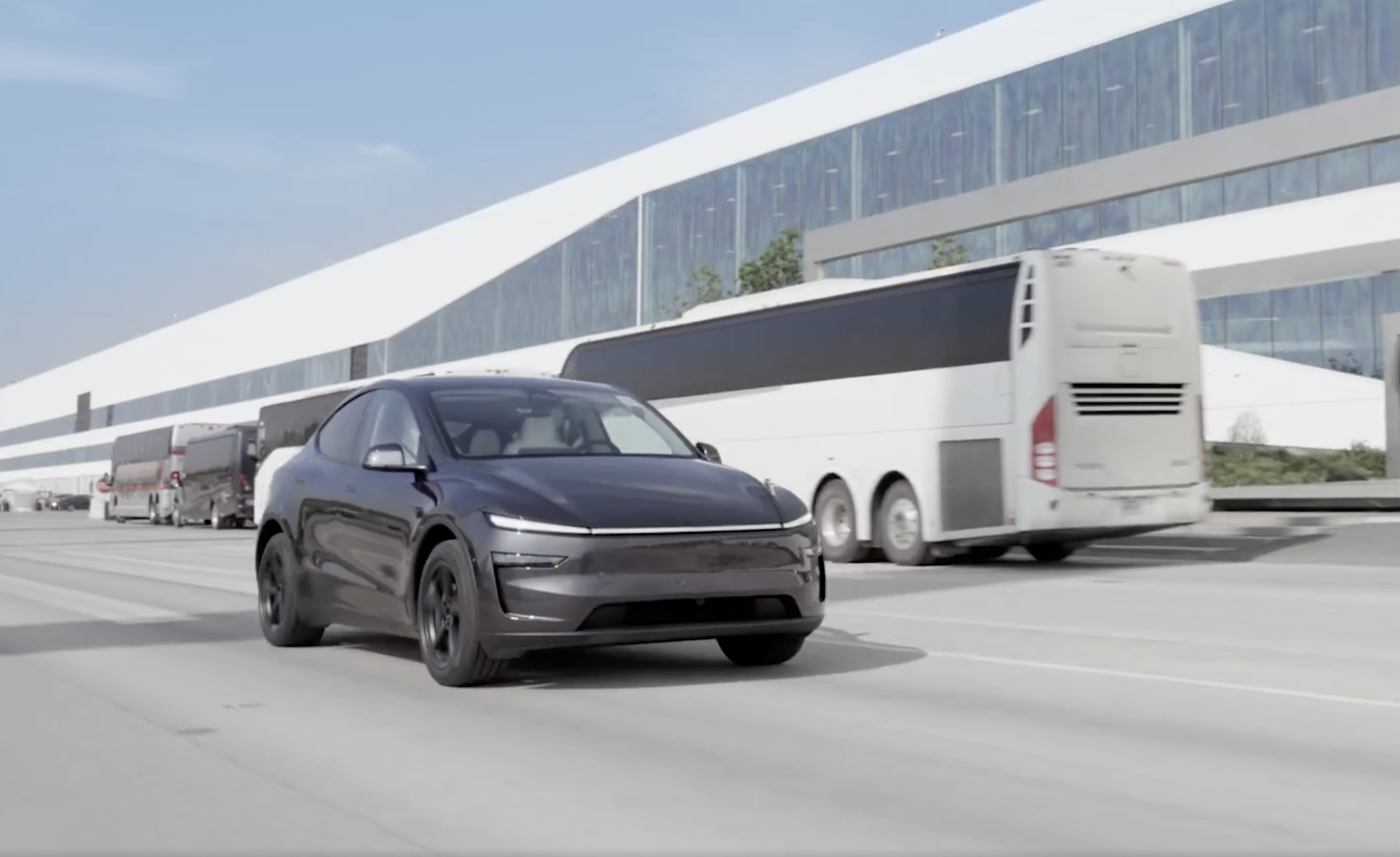
Tesla has consistently maintained that its software is a tool for driver assistance rather than a replacement for human oversight. In various regulatory filings and public statements, the company emphasizes that its systems require constant vigilance. However, plaintiffs in various jurisdictions have argued that the naming conventions and promotional materials used by the company can lead to “automation bias,” a psychological phenomenon where users trust a machine’s decision-making over their own situational awareness.
The Role of Federal Oversight and Regulation
The NHTSA has been actively monitoring the performance of Tesla’s driver-assistance technologies through a series of ongoing investigations. As reported by the Reuters news agency, these probes examine how the software interacts with emergency vehicles and stationary objects. The agency’s data collection efforts are aimed at determining whether the software’s design effectively discourages driver disengagement or if it requires more robust hardware and software safeguards.
This regulatory environment creates a complex landscape for litigation. When a crash occurs while a driver-assistance system is engaged, investigators typically analyze the vehicle’s Event Data Recorder (EDR) to determine the status of the software in the seconds leading up to the impact. This data is often the deciding factor in whether a case proceeds to trial or is settled out of court. Under current federal guidelines, manufacturers are required to report significant crashes involving advanced driver-assistance systems to the NHTSA, providing a centralized database that informs future safety standards.
What Happens Next in the Litigation Process
As the Texas case moves forward, the court is expected to address motions regarding the admissibility of technical evidence and the scope of discovery related to Tesla’s proprietary software code. Legal analysts suggest that the outcome of this litigation could set a precedent for how software-defined vehicles are treated under state tort law. If the court finds that the software’s design or marketing contributed to the crash, it could necessitate changes in how manufacturers label and deploy similar driver-assistance technologies across the United States.
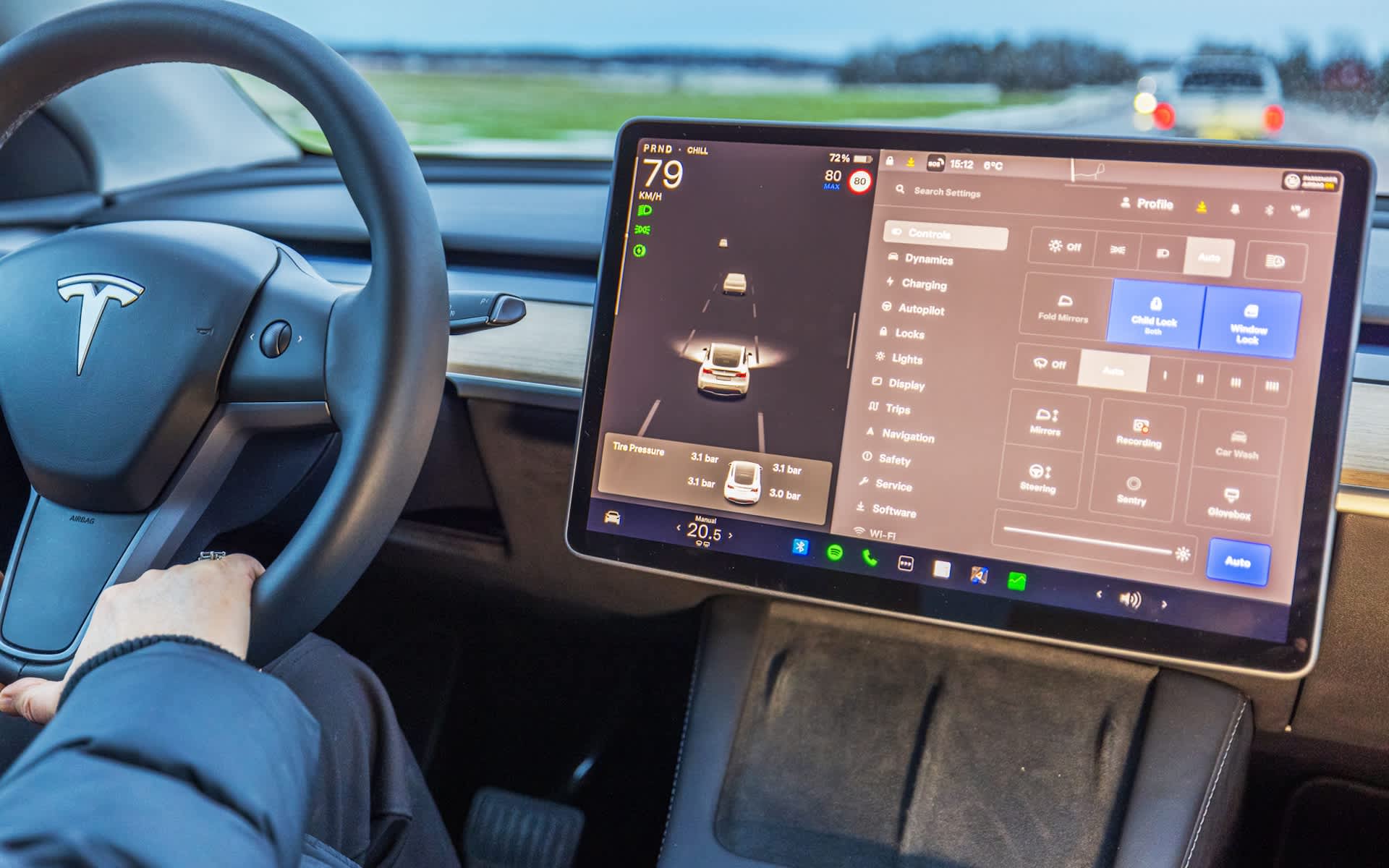
The next major procedural step for this case involves the exchange of expert witness reports, which will provide a more detailed analysis of the vehicle’s telemetry data. Parties involved in the litigation are awaiting a status conference scheduled for later this year, where the judge will establish a timeline for potential trial dates. The industry remains focused on these developments, as they represent a critical juncture for the integration of automation into the consumer automotive market.
Readers interested in the ongoing regulatory status of these systems can monitor official updates via the NHTSA Recalls and Investigations portal. We invite our readers to share their perspectives on the balance between innovation and public safety in the comments section below.
Related reading
- Donald Tusk Nominates Maciej Berek for Constitutional Tribunal: Controversy Over Political Ties
- NY Leaders Unite Against ICE, Pledging Legal Aid for Migrant Children
- Who's Liable When Your Self-Driving Uber Crashes? (daybreakwire.com)
- FBI Joins Investigation Into Series of Murders in Roswell, New Mexico (news-usa.today)