
Respiratory Viruses Pose Dual Threat: RSV and Pneumococcal Disease on the Rise
As winter transitions into spring, respiratory illnesses continue to circulate, posing a significant health challenge globally. While often underestimated, the combined impact of respiratory syncytial virus (RSV) and pneumococcal disease is a growing concern for healthcare systems worldwide. Both pathogens affect the lungs and respiratory tract, share similar risk factors, and necessitate increased awareness and preventative measures throughout the year. Recent data highlights a concerning trend: these illnesses are no longer confined to the typical winter season, impacting adults as well as infants, and children.
Traditionally, discussions surrounding respiratory illnesses have focused on their impact on young children. However, experts are increasingly emphasizing the importance of recognizing the risks faced by adults. “We are accustomed to talking about the incidence of respiratory diseases in babies and children, but it is still difficult to extrapolate this to the reality of adults, when we see more and more data that demonstrates the challenges present at different stages of life,” explained Dr. Florencia Cahn, a member of the executive committee of the SAVE (Sociedad Argentina de Vacinología y Epidemiología), member of the vaccine committee of the SADI (Sociedad Argentina de Infectología), and director of vaccines at Fundación Huésped.
Pneumonia: A Leading Cause of Adult Mortality
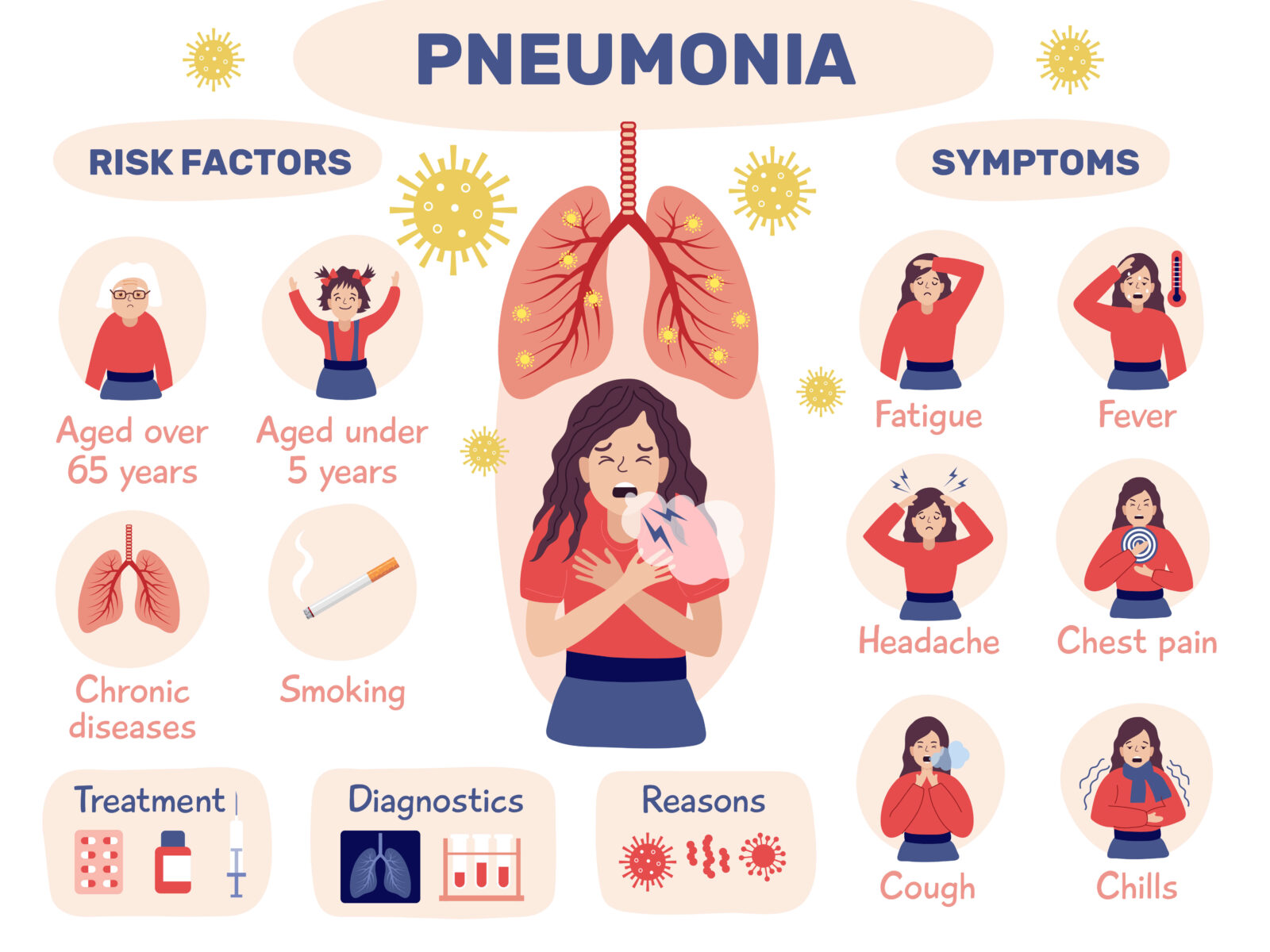
Pneumonia remains a major global health concern, particularly among older adults. According to global figures from 2021, over 1.4 million adults aged 50 and over lost their lives to this respiratory infection. The infection is primarily caused by the bacterium Streptococcus pneumoniae, making it one of the most common causes of mortality worldwide. Effective prevention strategies, including vaccination, are crucial in mitigating the impact of pneumococcal pneumonia, especially in vulnerable populations.
RSV: Beyond Bronchiolitis in Infants
While RSV is widely known as the primary cause of bronchiolitis in infants and young children, its relevance in older adults (over 60) and younger adults with chronic conditions is becoming increasingly apparent. These conditions include asthma, diabetes, heart disease, and immunosuppression. In these populations, RSV typically manifests as an upper respiratory tract infection, with symptoms such as rhinorrhea (runny nose), nasal congestion, cough, and sneezing. However, the virus can also lead to more severe complications, including pneumonia and exacerbation of existing chronic illnesses.
The Centers for Disease Control and Prevention (CDC) notes that RSV symptoms are often non-specific, making it difficult to distinguish from the common cold, influenza, or even COVID-19. RSV typically spreads during the fall and winter months, peaking in December and January, alongside other respiratory viruses. While most people experience mild, cold-like symptoms, severe illness is more likely in infants under six months of age and older adults with underlying health conditions.
Understanding the Risks and Symptoms
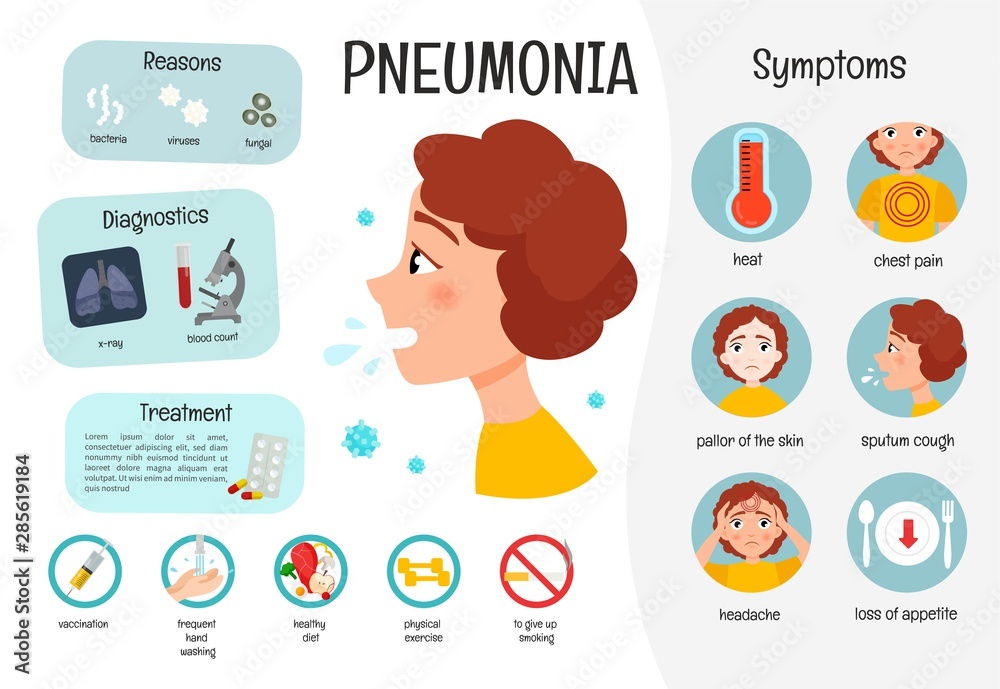
Both RSV and pneumococcal disease can lead to serious respiratory complications. Pneumonia, caused by Streptococcus pneumoniae, inflames the lungs, making it difficult to breathe. Symptoms include cough, fever, chills, and shortness of breath. RSV, can cause bronchiolitis, an inflammation of the small airways in the lungs, particularly in young children. Symptoms are similar to a cold but can progress to wheezing and difficulty breathing. In severe cases, hospitalization may be required, potentially involving supplemental oxygen, intravenous fluids, or even mechanical ventilation.
The overlapping symptoms of RSV and pneumococcal disease can make accurate diagnosis challenging. Healthcare providers often rely on clinical evaluation, patient history, and laboratory tests to differentiate between the two. Rapid diagnostic tests for RSV are available, while pneumococcal pneumonia is typically diagnosed through chest X-rays and blood cultures.
Prevention Strategies: Vaccination and Beyond
Preventing RSV and pneumococcal disease requires a multifaceted approach. Vaccination is a cornerstone of prevention, particularly for vulnerable populations. The CDC now recommends RSV immunizations to protect infants, some young children, and adults aged 60 years and older. Pneumococcal vaccines are also available and recommended for adults 65 years and older, as well as for younger adults with certain medical conditions.
Beyond vaccination, several other preventative measures can support reduce the risk of infection. These include:
- Good hygiene practices: Frequent handwashing with soap and water, covering coughs and sneezes, and avoiding close contact with sick individuals.
- Staying home when sick: To prevent the spread of infection, individuals experiencing respiratory symptoms should stay home from work or school.
- Maintaining a healthy lifestyle: A balanced diet, regular exercise, and adequate sleep can strengthen the immune system and reduce susceptibility to infection.
- Avoiding smoking: Smoking damages the lungs and increases the risk of respiratory infections.
The Growing Importance of Adult Vaccination
The increasing recognition of RSV and pneumococcal disease as significant threats to adult health is driving a renewed focus on vaccination. Historically, vaccination efforts have primarily targeted infants and young children. However, the growing burden of disease in older adults and individuals with chronic conditions necessitates a broader vaccination strategy. Dr. Cahn emphasizes the demand to shift perspectives, stating, “We are accustomed to talking about the incidence of these diseases in babies, but it is still difficult to extrapolate this to adults.”
The development of new vaccines for RSV, specifically targeting older adults, represents a significant advancement in preventative medicine. These vaccines have demonstrated promising efficacy in clinical trials, offering a potential solution to reduce the burden of RSV-related illness and hospitalization in this vulnerable population.
Looking Ahead: Continued Vigilance and Research
The ongoing circulation of RSV and pneumococcal disease underscores the importance of continued vigilance and research. Public health officials are closely monitoring trends in infection rates and severity, and ongoing research is focused on developing more effective vaccines and treatments. Increased awareness among healthcare providers and the public is also crucial to ensure timely diagnosis and appropriate management of these respiratory illnesses.
The next key development to watch for is the ongoing analysis of real-world data from the recently introduced RSV vaccines, which will provide further insights into their effectiveness and long-term impact. Continued research into the evolving epidemiology of both RSV and pneumococcal disease will be essential to inform future prevention strategies.
This is a developing story. Share your thoughts and experiences in the comments below. And please, share this article with your friends and family to help raise awareness about these key respiratory health threats.
Keep reading