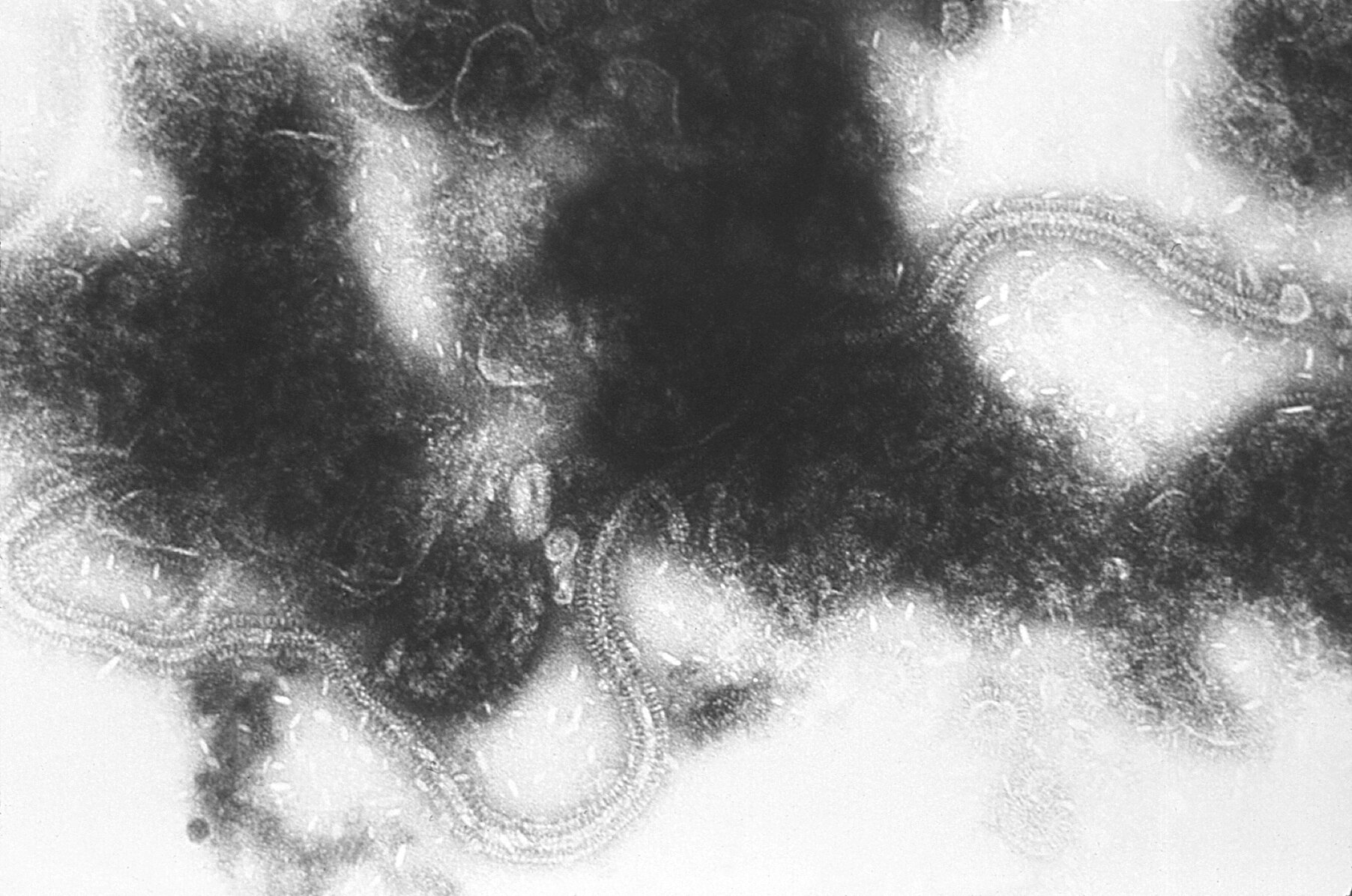
Respiratory syncytial Virus (RSV) vaccines are now recognized as both safe and effective, marking a critically important advancement in protecting vulnerable populations. For years, RSV posed a considerable health threat, particularly to infants, young children, and older adults.Now, thanks to rigorous research and progress, we have tools to combat this common, yet possibly serious, virus.
Understanding RSV is the first step in appreciating the impact of these new vaccines. RSV is a contagious virus that affects the lungs and respiratory tract.It commonly causes mild, cold-like symptoms, but can lead to bronchiolitis and pneumonia, especially in high-risk groups.
Here’s a breakdown of who benefits most from RSV vaccination:
* Infants: maternal vaccination during pregnancy offers crucial protection to newborns. Additionally, there are now RSV immunizations specifically designed for infants.
* Older Adults: Individuals aged 60 years and older are at increased risk of severe RSV illness. Vaccination can considerably reduce the likelihood of hospitalization and complications.
* Individuals with Certain Medical Conditions: Those with chronic heart or lung disease, weakened immune systems, or other underlying health issues are also strongly encouraged to consider vaccination.
The development of these vaccines involved extensive clinical trials. These trials demonstrated a high degree of efficacy in preventing RSV-related illness. I’ve found that the data consistently shows a substantial reduction in hospitalizations and severe disease among vaccinated individuals.
Let’s address common concerns about vaccine safety. The vaccines have undergone thorough safety evaluations, and the results are reassuring. Side effects are generally mild and temporary, similar to those experienced with other routine vaccinations. These can include pain or redness at the injection site, fatigue, or mild fever.
here’s what you shoudl know about the different types of RSV vaccines available:
- Maternal Vaccines: Administered to pregnant individuals to pass antibodies to thier babies.
- Infant Vaccines: Directly given to infants,providing targeted protection.
- Vaccines for Older Adults: designed to boost the immune response in seniors, reducing their risk of severe illness.
You might be wondering when the best time to get vaccinated is. For pregnant individuals, vaccination is typically recommended during the late second or third trimester. For infants, timing will be discussed with your pediatrician.Older adults should discuss vaccination with their healthcare provider, particularly before the typical RSV season (fall and winter).
Moreover, remember that vaccination isn’t the only way to protect yourself and your loved ones. Practicing good hygiene, such as frequent handwashing and covering coughs and sneezes, remains essential. Avoiding close contact with sick individuals is also a wise precaution.
Here’s what works best when considering RSV protection: a multi-faceted approach. Vaccination, combined with preventative hygiene practices, offers the most thorough defense against this common virus.
Keep reading