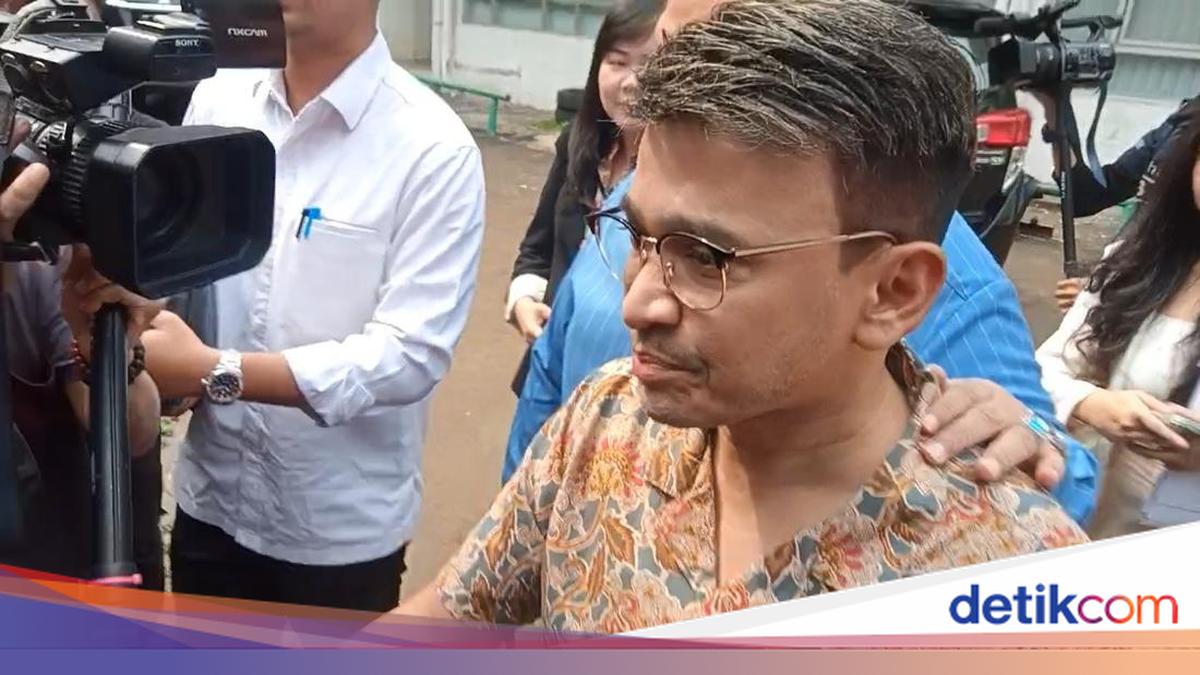
Television personality Ruben Onsu has signaled a willingness to meet with his wife, Sarwendah, following public reports of a requested meeting between the two parties aimed at addressing their ongoing marital conflict. The potential reconciliation attempt follows a series of high-profile legal and personal developments that have characterized the couple’s separation proceedings in recent months.
Legal representatives for Ruben Onsu have confirmed that while they are open to a dialogue, there remains a need for clarity regarding the specific agenda of the meeting. The uncertainty surrounding the discussion topics highlights the complexities involved in the couple’s private affairs, which have increasingly become subjects of public and institutional scrutiny.
The Context of the Impending Meeting
Reports regarding a potential meeting surfaced following indications that Sarwendah sought an opportunity to resolve outstanding issues directly with her husband. This move follows a period of heightened visibility regarding the couple’s domestic situation, which reached a point of legal intervention earlier this year. According to CNN Indonesia, representatives from the National Commission on Violence Against Women (Komnas Perempuan) clarified that previous interactions involving Sarwendah were limited to consultations, rather than formal complaints of abuse or violence.

The distinction between seeking institutional guidance and filing a formal grievance is significant in the context of Indonesian family law. As documented by the Indonesian Child Protection Commission (KPAI), matters involving the welfare and financial support of children often necessitate structured mediation to ensure that the best interests of the minors are prioritized during parental separation.
Legal and Institutional Involvement
The situation has evolved beyond private negotiation into a series of formal interactions with government and advocacy bodies. Sarwendah has reportedly engaged with the KPAI to address concerns regarding child support and financial provisions, a move that underscores the legal complexity of their current separation. These filings represent a standard, albeit public, procedure for families navigating the dissolution of a marriage under the jurisdiction of the Supreme Court of the Republic of Indonesia.

Legal observers note that the involvement of such commissions often serves to provide a neutral framework for parties who are unable to reach an agreement through private discussion. While Ruben Onsu’s legal team has expressed a willingness to participate in a meeting, they have maintained a cautious stance, requesting transparency regarding the goals of the conversation to ensure that all discussions remain productive and legally sound.
Why the Public Scrutiny Matters
The public interest in the lives of Ruben Onsu and Sarwendah reflects the broader cultural attention paid to celebrity figures in Indonesia. However, the involvement of state-sanctioned bodies like Komnas Perempuan and the KPAI shifts the narrative from entertainment news to a matter of public policy regarding domestic privacy and child protection. When high-profile individuals engage these institutions, it often brings attention to the resources available to the general public for resolving similar disputes.
For many observers, the primary concern remains the stability of the children involved. Legal experts frequently emphasize that in cases of parental separation, the role of the KPAI is to ensure that financial obligations and custody arrangements are strictly adhered to, regardless of the emotional state of the parents. The upcoming potential meeting, if it proceeds, will likely be scrutinized for how it addresses these specific, court-relevant criteria rather than the interpersonal dynamics of the couple.
Next Steps in the Process
As of this reporting, there is no confirmed date or venue for a formal meeting between the two parties. Any further developments will likely depend on the willingness of both legal teams to align on a shared agenda. The situation remains fluid, with the next expected update likely to emerge from formal court filings or statements issued by the legal representatives of either party.
Members of the public seeking information on family mediation or child protection resources in Indonesia can consult the official portals of the Indonesian Child Protection Commission for guidance on how these processes are managed by the state. We will continue to monitor the situation and provide updates as verified information becomes available. We invite our readers to share their thoughts on the importance of mediation in high-profile family disputes in the comments section below.
Related reading