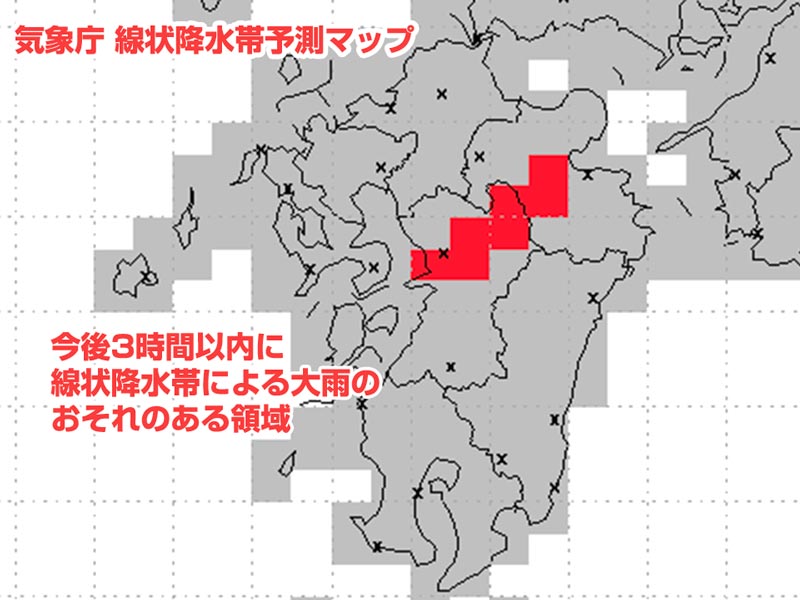
Meteorological authorities in Japan have issued urgent warnings for heavy rainfall across Kyushu, as a stationary front increases the risk of linear precipitation zones—known as senjo kosuitai—developing over the region. The Japan Meteorological Agency (JMA) has alerted residents in Kumamoto, Fukuoka, and Oita prefectures to remain on high alert for potential landslides, flooding in low-lying areas, and overflowing rivers as atmospheric conditions remain highly unstable.
According to official data from the Japan Meteorological Agency, the presence of a low-pressure system moving along the stationary rain front is expected to intensify precipitation intensity significantly. A linear precipitation zone is defined as a phenomenon where a series of cumulonimbus clouds form in a line, causing concentrated, torrential rain to batter the same geographical area for several hours, often leading to catastrophic water accumulation.
Current Weather Alerts and Regional Impact
As of the most recent updates, local government bodies have activated emergency protocols in response to the rapid deterioration of weather conditions. In Oita Prefecture, authorities issued a Level 3 heavy rain warning for Taketa City, Yufu City, and Kokonoe Town, signaling the need for elderly residents and those requiring extra time to evacuate to begin preparing for potential displacement. This alert level indicates a heightened risk of flooding and structural damage to infrastructure.
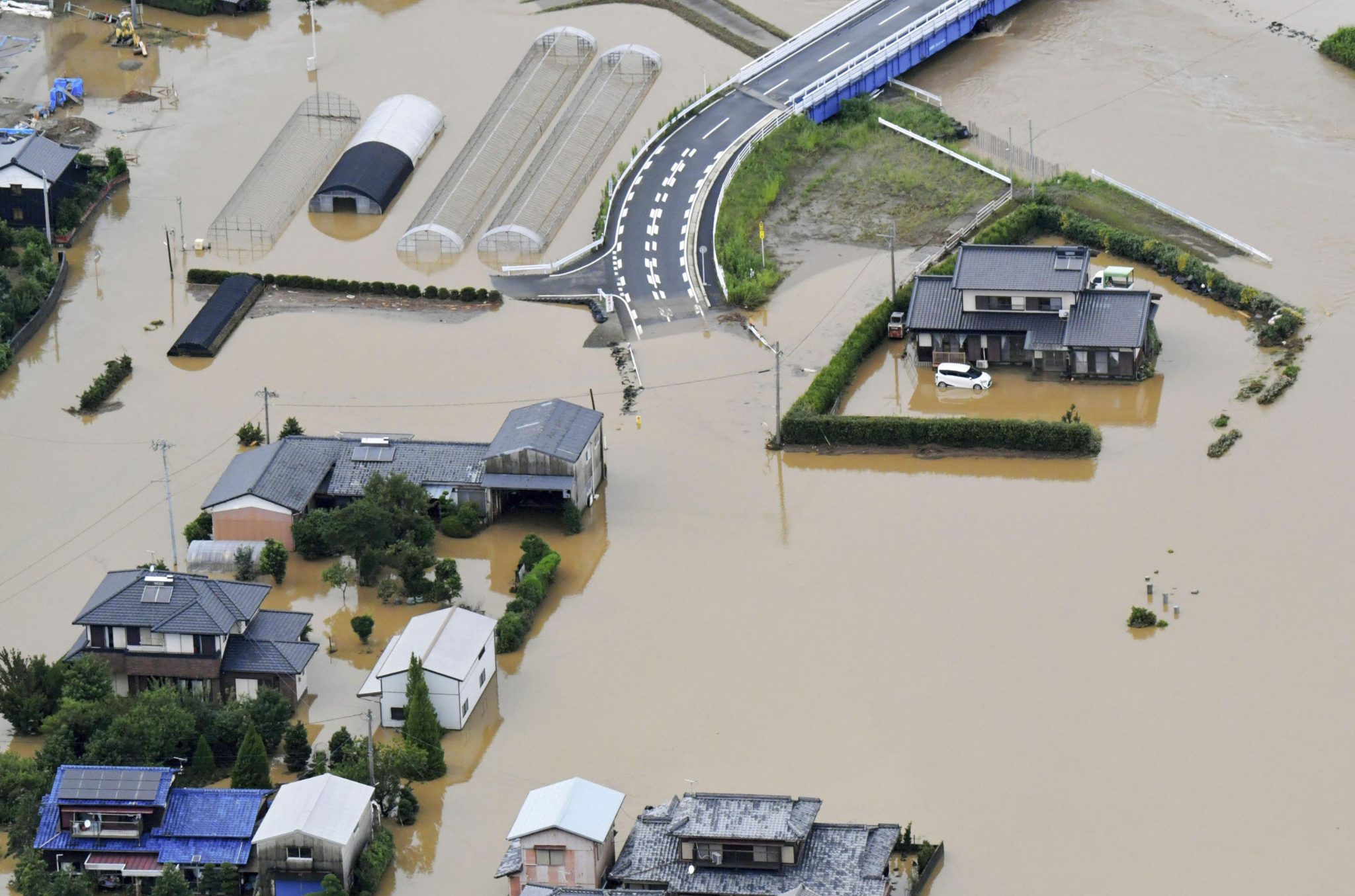
In Fukuoka Prefecture, meteorological models have highlighted the Chikugo and Chikuho regions as areas of particular concern for the sudden onset of linear precipitation. The JMA maintains that the risk of such zones developing is not limited to a single location, as the moisture-laden air mass continues to shift across the northern Kyushu landscape. Residents are advised to monitor the JMA’s real-time disaster prevention portal for the latest updates on localized warnings and evacuation orders.
Understanding the Risk of Linear Precipitation Zones
The term senjo kosuitai gained increased public recognition following several severe weather events in Japan over the past decade. Unlike typical thunderstorms that move quickly across a region, these zones remain stationary, effectively “training” intense rain over a specific corridor. This leads to rapid saturation of the soil, which drastically increases the probability of landslides in mountainous areas—a significant concern for the topography of Kumamoto and Oita.
Meteorologists emphasize that the predictability of these zones is improving but remains challenging due to their localized nature. The JMA now issues “Linear Precipitation Zone Forecasts” to provide a lead time of several hours, allowing municipal governments to prepare emergency shelters and for residents to secure their homes. These forecasts are based on satellite imagery, radar data, and high-resolution atmospheric simulations that track the convergence of warm, moist air from the East China Sea.
Safety Guidance and Emergency Preparedness
For those residing in affected areas, officials recommend taking immediate steps to ensure safety before the situation worsens:
- Monitor Official Channels: Regularly check local municipal websites and JMA alerts.
- Identify Hazards: Familiarize yourself with local hazard maps to determine if your residence is in a flood or landslide-prone zone.
- Early Evacuation: Do not wait for an official order if you sense danger; if you feel unsafe, move to a designated evacuation center or a sturdy, multi-story building.
- Prepare Emergency Kits: Ensure essential supplies, including water, non-perishable food, and important documents, are packed and accessible.
The current weather pattern is expected to persist as the low-pressure system traverses the region, with the JMA advising that the window for severe weather remains open throughout the night and into the following morning. As of this report, no widespread power outages have been confirmed, but utility providers remain on standby to respond to infrastructure damage.
I will continue to monitor the situation as the JMA releases updated hazard assessments. Readers are encouraged to share this information with those in the affected regions and to check back for further developments as they are verified by official sources. Please stay tuned to local emergency radio broadcasts for instructions specific to your municipality.
Related reading
- Elena Kulichenko Reaches High Jump Final at European Athletics Championships
- Army Grounds Apache Helicopter Training After Fatal Fort Hood Crash Kills 2 Pilots
- Emmerdale Spoiler Alert: Mack and Ross’s Relationship in Shambles – What’s Next for the Torrey Twins? Emmerdale Latest Drama, Mack and Ross Change, Ross Griffin Update (archyworldys.com)