
India’s Rugby Premier League Expands to Hyderabad with Women’s Competition as GMR Sports Focuses on Long-Term Growth
Lisbon, Portugal — India’s Rugby Premier League (RPL) is entering its second season with a strategic shift to Hyderabad, the addition of a women’s competition, and a clear focus on building a sustainable rugby ecosystem rather than chasing immediate commercial returns. According to Sujoy Ganguly, Vice President and Chief Marketing Officer at GMR Sports, the league’s organizers are prioritizing grassroots development and fan engagement over short-term financial gains.
The move to Hyderabad—after Mumbai hosted the inaugural season—marks a deliberate effort to expand rugby’s reach beyond traditional markets. Ganguly emphasized that the decision was not driven by commercial considerations but by a broader mission: “Our objective is to take rugby to different parts of the country and expose new audiences to the sport.” The Telangana government’s support and Hyderabad’s growing reputation as a sporting hub align with this vision.
Season 1 exceeded expectations commercially, securing 17 sponsors—a significant achievement for a non-cricket sports property in India, according to Ganguly. This success has given organizers confidence in the league’s long-term potential, even as they maintain a cautious approach to expansion.
RPL Season 1 highlights featuring key moments from Mumbai’s inaugural campaign.
Why Hyderabad? GMR Sports’ Strategy to Spread Rugby Across India
Hyderabad was chosen as the host city for Season 2 to ensure sustainable operations while expanding rugby’s footprint. Ganguly explained that a centralized format in the early years allows the league to operate efficiently, with plans for broader expansion once the ecosystem matters.
“In the early years, a centralized format is important because it allows us to operate sustainably,” Ganguly stated. “Over time, as the league grows, there will be opportunities to expand further.” The city’s infrastructure and the Telangana government’s backing have made Hyderabad an ideal choice for this phase of growth.

This strategic shift reflects a broader trend in India’s sporting landscape, where leagues like the Indian Super League (football) and the Women’s Premier League (cricket) have successfully expanded beyond their initial markets. For rugby, however, the challenge is greater due to the sport’s relative obscurity in the country.
Key Supporting Details:
- Hyderabad’s sports infrastructure includes venues like the Gachibowli Stadium, which hosted the 2017 Women’s Cricket World Cup.
- The Telangana government has actively promoted Hyderabad as a sporting destination, aligning with the RPL’s goals.
- GMR Sports’ experience in managing franchises (such as the Delhi Capitals in cricket) has informed their approach to league-building.
Women’s Rugby Takes Center Stage: A Bold Move for India’s Growth
The introduction of a women’s competition in Season 2 represents a bold step for the RPL. Ganguly cited two primary reasons for this decision: a commitment to equal opportunities and the rapid progress of Indian women’s rugby. The national women’s team is currently ranked among the top teams in Asia, with long-term ambitions to qualify for the Olympics.
“We felt it was the right time to create a platform for women players,” Ganguly said. “The support from franchises, Rugby India, World Rugby, and broadcasters was extremely positive.” The league is bringing international talent to compete alongside Indian players, mirroring the model that has driven growth in women’s cricket through the Women’s Premier League.
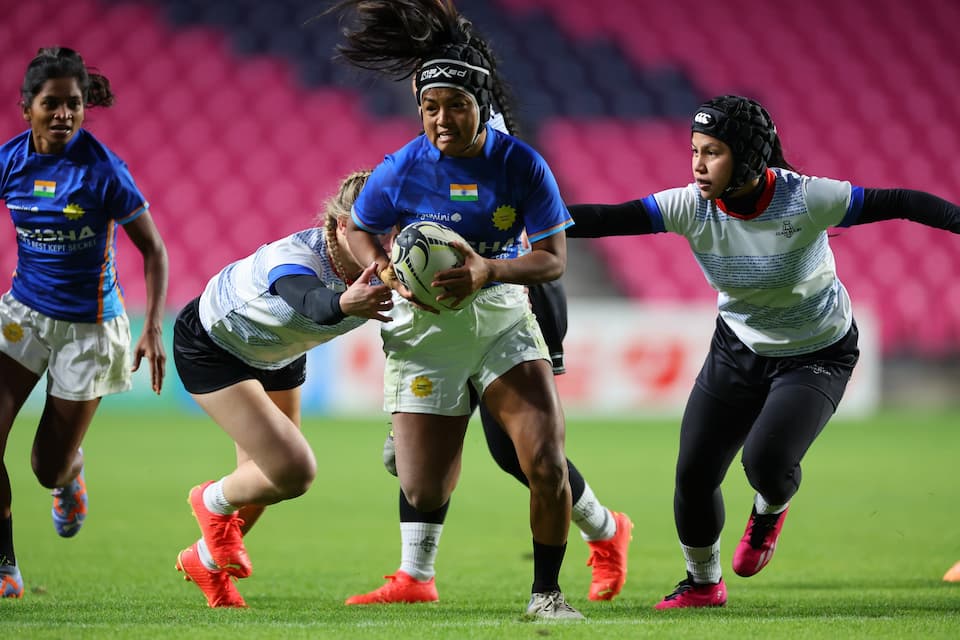
This initiative aligns with global trends in women’s sports, where leagues like the NRL Women’s Premiership in Australia and the Super W in New Zealand have successfully integrated professional women’s competitions alongside men’s leagues. For India, the move could accelerate development at all levels, from grassroots participation to elite performance.
Why It Matters:
- Women’s rugby in India has seen steady progress, with the national team improving its rankings under World Rugby’s governance.
- The inclusion of international players will raise the competitive standard and attract broader attention.
- This model could serve as a template for other emerging sports in India seeking to balance growth and inclusivity.
Commercial Growth vs. Long-Term Development: The RPL’s Balancing Act
While the addition of a women’s competition may eventually boost media rights and sponsorship valuations, Ganguly made it clear that the league’s immediate priority is building the foundational ecosystem. “When you’re building a new sport in a country, the first objective is to establish the right ecosystem and attract the right partners,” he explained.
This approach contrasts with the rapid commercialization seen in cricket and football, where leagues often prioritize immediate financial returns. For rugby, the focus is on sustainable development—creating pathways for talent, investing in academies, and fostering fan engagement. Ganguly noted that growth in sports like cricket and football took decades of consistent investment, and rugby in India is no different.
“If we continue building the player base and strengthening the ecosystem, the sport will grow organically and sustainably,” he said. “Success will be seeing rugby grow at every level—more players, stronger academies, greater fan engagement, increased participation, and sustained commercial support.”
Comparative Insight:
- The RPL’s approach mirrors that of rugby leagues in countries like Japan and the United States, where long-term development has led to gradual but steady growth.
- In contrast, leagues like the Indian Premier League (cricket) and ISL (football) prioritized commercial viability from the outset, which accelerated their growth but also created sustainability challenges.
- Ganguly’s emphasis on ecosystem-building aligns with World Rugby’s global strategy, which prioritizes grassroots development over immediate commercial gains.
What’s Next for the Rugby Premier League?
Looking ahead, the RPL’s success will hinge on its ability to balance expansion with sustainability. While there is interest from potential stakeholders, Ganguly emphasized that the league’s current focus is on refining its structure before considering broader expansion.
“At this stage, our focus is on getting the current structure right,” he said. “Once the ecosystem matures and the sport continues to grow, expansion opportunities will naturally emerge.”
Key milestones for the league include:
- The completion of Season 2 in Hyderabad, with the women’s competition serving as a proving ground for future initiatives.
- Continued investment in grassroots programs and talent development, with franchises playing a central role.
- Strengthening broadcast partnerships to ensure wider reach, particularly for the women’s competition.
- Monitoring fan engagement metrics to identify opportunities for deeper community involvement.
For fans and stakeholders, the next major checkpoint will be the conclusion of Season 2, which will provide clearer insights into the league’s trajectory. The introduction of the women’s competition will also serve as a critical test of the RPL’s ability to attract diverse audiences and sustain long-term interest.
Key Takeaways
- Hyderabad as Host: The move to Hyderabad reflects a strategic push to expand rugby’s reach beyond Mumbai, leveraging the city’s sports infrastructure and government support.
- Women’s Competition: The introduction of a women’s league in Season 2 is a bold step to accelerate development and promote gender equality in rugby.
- Long-Term Focus: GMR Sports and Rugby India prioritize ecosystem-building over immediate commercial gains, following a model similar to successful rugby leagues globally.
- Sustainable Growth: The league’s success will depend on consistent investment in players, academies, and fan engagement rather than short-term financial metrics.
How to Follow the Rugby Premier League’s Progress
For those interested in tracking the RPL’s development, the following resources provide official updates and insights:
- Rugby India Official Website – For league news, regulations, and team updates.
- GMR Sports – The league’s organizers, offering commercial and strategic insights.
- World Rugby – Global governance and development programs supporting the RPL.
- SportsMint – Coverage of Indian sports, including rugby, with analysis and interviews.
Fans can also follow the league on social media for real-time updates:
As the Rugby Premier League enters its second season, its ability to balance ambition with pragmatism will determine whether rugby can carve out a lasting place in India’s sporting landscape. With Hyderabad as its new home and a women’s competition setting new standards, the league is taking deliberate steps toward a future where rugby is no longer a niche sport but a mainstream passion.
Call to Action: Share your thoughts on the RPL’s expansion and women’s rugby initiative in the comments below. What do you think will be the biggest challenge for the league in its second season?