
Steven Kittirath, a long-distance runner and endurance athlete, has undertaken the objective of completing a marathon in each of the 11 countries across Southeast Asia within a single calendar year. The project, which involves navigating diverse climates, varied terrains, and complex logistics across the ASEAN region, serves as a test of physical endurance and cross-border coordination. According to public records of his athletic pursuits, the initiative aims to highlight the regional connectivity and cultural diversity of Southeast Asia through the lens of long-distance running.
The Southeast Asian region comprises 11 sovereign nations: Brunei, Cambodia, Indonesia, Laos, Malaysia, Myanmar, the Philippines, Singapore, Thailand, Timor-Leste, and Vietnam. Each nation presents unique regulatory environments for organized sporting events, requiring participants to manage entry requirements and local health protocols for each marathon. As reported by the ASEAN Secretariat, regional integration efforts have historically focused on economic and social cohesion, though individual travel and sporting initiatives remain subject to national immigration and safety policies.
Logistical Challenges in Regional Endurance Challenges
Completing 11 marathons in 12 months requires a high degree of logistical precision. For an athlete, this involves not only the physical training necessary to recover between 42.195-kilometer races but also the administrative work of securing visas and coordinating travel logistics between capital cities and race venues. The World Athletics governing body maintains standards for race certification, which varies significantly across the diverse infrastructure of Southeast Asian nations, ranging from highly developed urban courses in Singapore to emerging trail and road circuits in more rural areas of the Mekong sub-region.
Climate remains a primary factor for endurance athletes in this region. With tropical temperatures frequently exceeding 30 degrees Celsius and high humidity levels, runners often face significant heat stress, according to data from the World Meteorological Organization regarding climate trends in tropical Southeast Asia. Successful completion of such a circuit requires careful hydration strategies and acclimatization periods, which often necessitate arriving in each country days before the scheduled race date.
The Significance of Cross-Border Athletic Endeavors
The pursuit of running across all 11 Southeast Asian nations is more than a personal athletic milestone; it functions as an informal demonstration of the region’s interconnectedness. By moving from the dense urban environments of Kuala Lumpur or Bangkok to the more isolated terrains of Timor-Leste, athletes like Kittirath engage with the disparate infrastructure of the region. The United Nations Economic and Social Commission for Asia and the Pacific (UNESCAP) has noted that physical connectivity, including transport corridors and border crossing efficiency, remains a critical component of regional development goals.
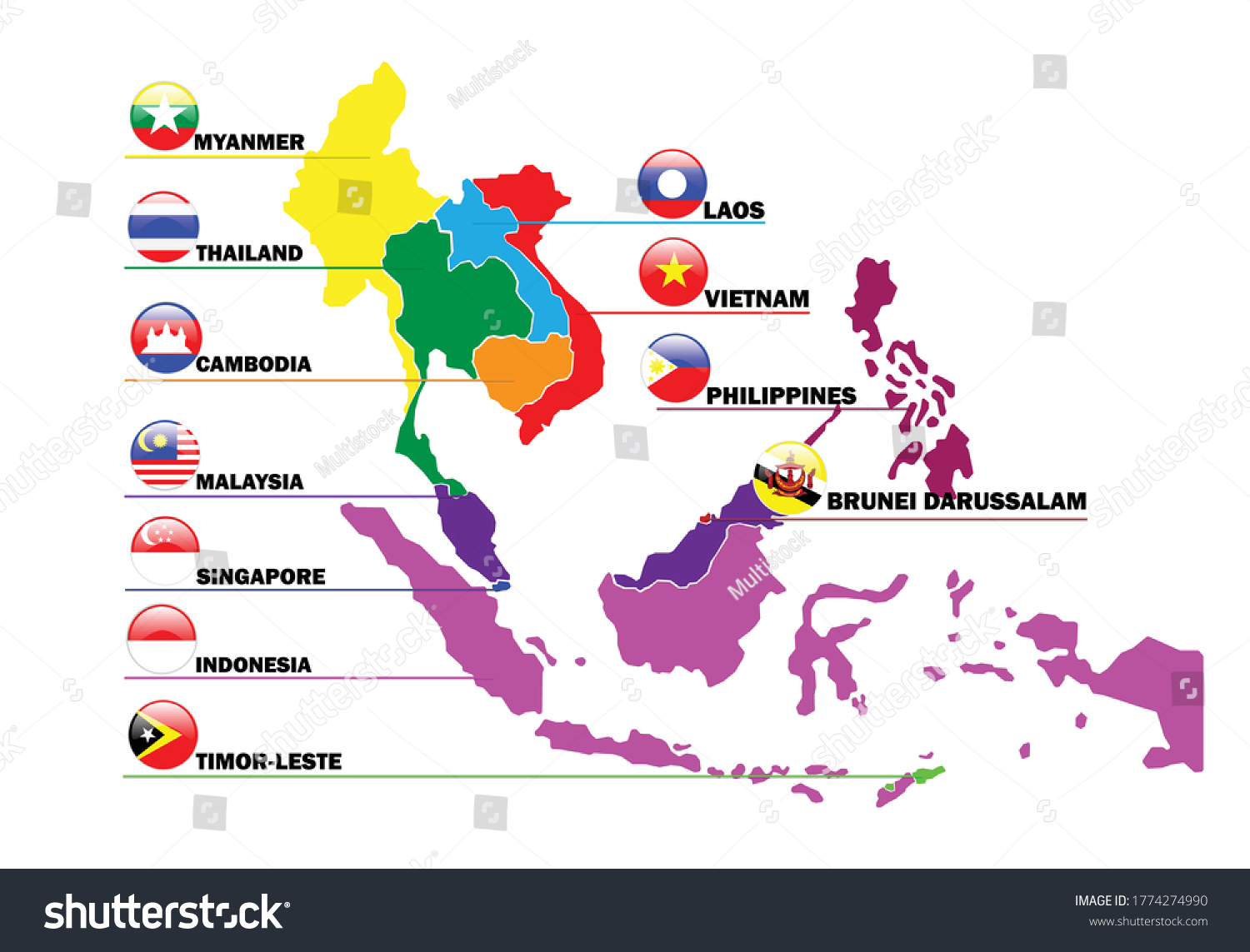
Such challenges often serve to bring attention to the local running communities in countries where marathons are a relatively new phenomenon. In many instances, the growth of the sport is tied to the development of tourism and public health initiatives. For participants, the primary obstacle often shifts from the physical exertion of the race to the administrative coordination required to traverse multiple borders in a compressed timeframe, a process governed by the individual ASEAN member state’s entry regulations and public health advisories.
Health and Safety Considerations for Long-Distance Runners
Endurance athletes operating in Southeast Asia must adhere to local medical and safety guidelines. The risk of heat exhaustion and dehydration is acute, particularly in regions with limited medical support along race routes. According to the World Health Organization, endurance events in tropical climates require strict adherence to heat-stroke prevention protocols, including the availability of electrolyte replacement and emergency medical evacuation plans. Participants are generally advised to consult local health authorities regarding vaccination requirements and disease prevalence, such as dengue fever, which remains a concern in several parts of the region.
The success of a 11-marathon circuit depends heavily on the athlete’s ability to monitor physiological markers, such as heart rate variability and recovery times. Professional endurance coaching, often utilized by those attempting multi-country challenges, emphasizes the need for a structured recovery phase between events. Without adequate rest, the cumulative strain on joints and muscles can lead to overuse injuries, effectively ending a multi-stage project prematurely.
Future Developments and Official Updates
As of late 2024, the landscape for regional sporting events remains dynamic. Athletes looking to track their progress or verify the schedules of major marathons in the region typically rely on the official websites of national athletic federations, such as the Athletics Association of Thailand or the Singapore Athletics association. These organizations provide the most accurate information regarding race registration, course certification, and potential changes to event dates due to weather or public health considerations.

Further updates regarding the status of regional endurance challenges will be dictated by the individual race organizers and national sports ministries. Interested observers can monitor the official portals of the respective national Olympic or athletic committees for the most current information regarding upcoming marathons in each of the 11 Southeast Asian countries. We encourage readers to share their thoughts or experiences with regional endurance events in the comments section below.
Related reading
- Colombia Earthquake Death Toll Rises as Rescue Operations Continue
- Australia Bowled Out for 198 as Bangladesh Dominate Day 1 of First Test in Darwin
- Marquinhos Ready for the Trophée des Champions: “We Want to Win Every Trophy (archynewsy.com)
- The Antideficiency Act, Explained: The Law Behind Every Shutdown (daybreakwire.com)