
The White House has confirmed the cancellation of a high-level diplomatic mission to Switzerland, which was intended to facilitate indirect discussions with Iranian representatives. The decision to postpone the delegation, which was expected to involve key U.S. officials, comes amid a period of heightened regional volatility in the Middle East, specifically involving ongoing military operations in Lebanon.
According to official statements from the U.S. administration, the scheduled travel plans for high-ranking personnel were scrapped as the security and geopolitical environment rendered the timing of such sensitive negotiations untenable. While the White House did not provide a specific future date for the resumption of these talks, the move highlights the current difficulties in maintaining diplomatic channels while regional military escalations persist, as reported by Reuters and other international monitoring bodies tracking the conflict in the Levant.
Context of the Diplomatic Shift
The planned visit to Switzerland was framed as an attempt to manage tensions between Washington and Tehran, two nations that have historically relied on third-party mediators to exchange messages on nuclear policy, regional security, and the status of detained individuals. The collapse of these specific arrangements follows a significant intensification of hostilities in Lebanon, where the Israel Defense Forces have been engaged in extensive operations against Hezbollah targets.
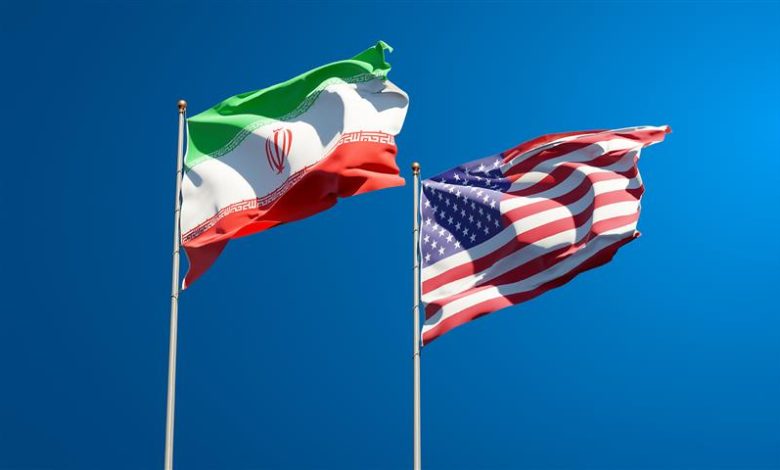
Analysts note that the decision to delay the delegation reflects the Biden administration’s assessment that the current atmospheric conditions are not conducive to productive breakthroughs. The U.S. State Department, which manages the technical aspects of these indirect communication channels, has maintained a policy of keeping potential backchannel discussions private until they are finalized, according to the U.S. Department of State press briefings. The sudden cancellation suggests an abrupt change in the strategic calculus, likely influenced by the rapid deterioration of the security situation on the ground in Beirut and southern Lebanon.
Regional Instability and Diplomatic Hurdles
The ongoing conflict in Lebanon has become a primary driver of regional instability, complicating efforts by Western powers to contain the fallout from the broader Gaza war. Sources familiar with the planning process indicated that the decision to stand down the delegation was a direct response to the risks posed by the ongoing military actions. The inability to ensure a stable environment for even indirect, neutral-ground talks underscores the limitations of traditional diplomacy when military logic dominates the regional discourse.
For observers of international relations, the postponement of the Swiss talks serves as a case study in how localized conflicts can derail broader geopolitical objectives. The U.S. maintains a complex, often adversarial relationship with Iran, and the loss of even temporary communication windows can increase the risk of miscalculation. According to the Council on Foreign Relations, the lack of direct lines of communication between Washington and Tehran remains a persistent vulnerability in Middle Eastern security architecture.
What Happens Next
As of this writing, there is no confirmed timeline for when a U.S. delegation might attempt to travel to Switzerland or any other neutral venue to engage with Iranian counterparts. The White House has indicated that it remains committed to using diplomatic tools to address regional challenges, but those efforts are currently subordinated to the immediate need for de-escalation in the active combat zones of Lebanon and Gaza.
The next checkpoint for these diplomatic efforts will likely be contingent on a measurable reduction in military activity and a shift in the security posture of the involved non-state actors. Observers should monitor official releases from the National Security Council for any indication that the “pause” in talks has been lifted. In the interim, the administration continues to coordinate with regional partners in the Gulf and Europe to manage the fallout of the current crisis. We encourage our readers to participate in the conversation below regarding the impact of these diplomatic delays on global security.
Related reading