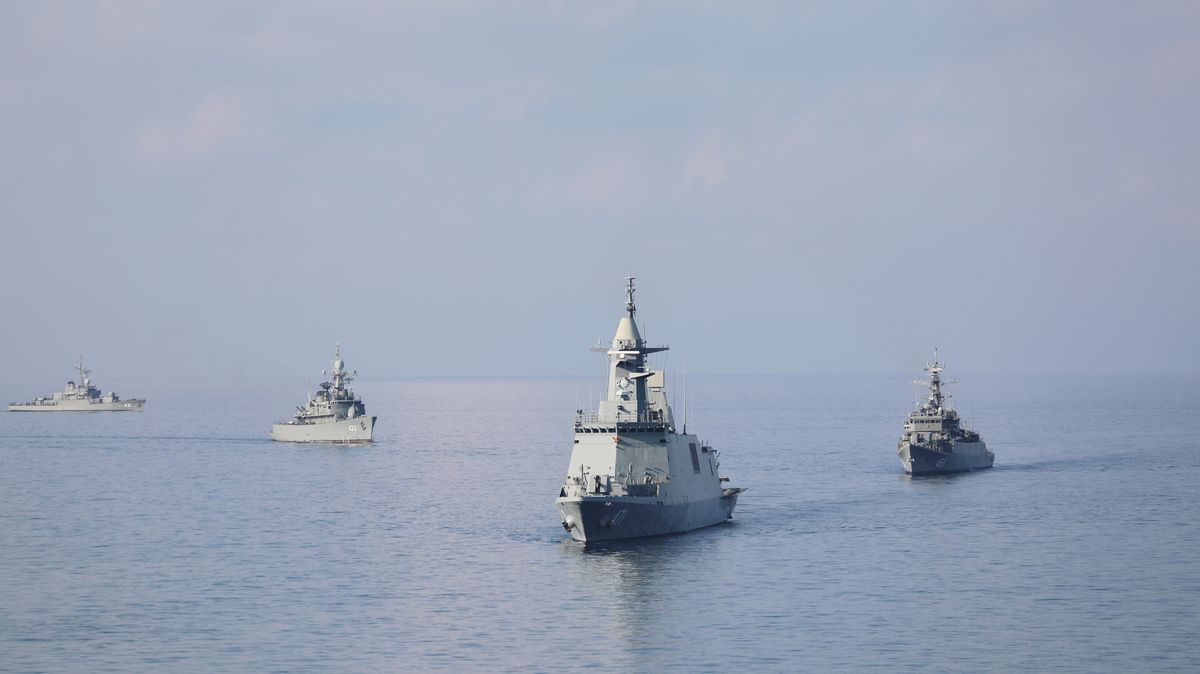
Recent reports indicate that Russian forces have targeted two Ukrainian search-and-rescue vessels operating in the Black Sea. This incident, which highlights the ongoing maritime tensions within the region, marks another development in the protracted conflict that has significantly impacted shipping lanes and humanitarian operations since the full-scale invasion began in 2022.
The Black Sea remains a critical theater for both military strategy and international grain exports. According to the International Maritime Organization (IMO), the safety of navigation and the protection of maritime personnel are protected under international maritime law, which generally prohibits attacks on vessels engaged in humanitarian or rescue missions. The targeting of search-and-rescue assets is a serious escalation that complicates the already precarious efforts to maintain civilian safety at sea.
Maritime Security and Operational Risks
The Black Sea has been a focal point of hostilities for several years, with both sides seeking control over strategic corridors. The use of specialized vessels, such as search-and-rescue craft, is essential for maintaining safety for commercial ships, yet these vessels are increasingly caught in the crossfire. The United Nations has previously emphasized the necessity of keeping maritime corridors open for humanitarian aid and global food security, noting that any disruption to these routes carries significant global economic consequences.
Military analysts note that the deployment of drones and anti-ship missiles has fundamentally changed the nature of naval warfare in the Black Sea. Because search-and-rescue vessels lack the heavy defensive armaments of warships, they are particularly vulnerable to modern precision strikes. The loss or disablement of these ships not only impacts the immediate rescue capabilities but also deters commercial shipping companies from entering designated zones, citing risks to crew safety.
Geopolitical Context and International Law
The Russian Federation maintains a significant naval presence in the region, conducting frequent patrols that often overlap with Ukrainian maritime activities. According to the International Committee of the Red Cross (ICRC), international humanitarian law requires parties to an armed conflict to distinguish between military and civilian objects at all times. Attacks directed against medical or rescue units are strictly prohibited under the Geneva Conventions.
Ukraine has frequently appealed to the international community to monitor the Black Sea more closely, calling for increased surveillance to hold parties accountable for violations of maritime safety protocols. Conversely, the Russian government has often cited security concerns and the presence of “military-use” assets as justifications for its operations in the region. These conflicting narratives make independent verification of specific engagement details difficult, yet the impact on the ground remains clear: the maritime environment in the Black Sea is becoming increasingly hostile for non-combatant vessels.
What Happens Next
The international community, including bodies like the Organization for Security and Co-operation in Europe (OSCE), continues to monitor the situation. Future developments will likely depend on whether there is any movement toward a renewed maritime safety agreement that could provide protected corridors for rescue and humanitarian vessels.
Observers are watching for official statements from the Ukrainian Ministry of Defense and the Russian Ministry of Defense regarding the status of the vessels involved. Any formal investigation into the incident will likely focus on the coordinates of the vessels at the time of the attack and whether they were operating in accordance with their designated humanitarian mission parameters. For now, the Black Sea remains a high-risk zone, with the safety of maritime crews hanging in the balance.
We will continue to provide updates as more verified information becomes available regarding this incident. If you have insights or wish to discuss the implications of these regional developments, please feel free to share your thoughts in the comments section below.
Worth a look