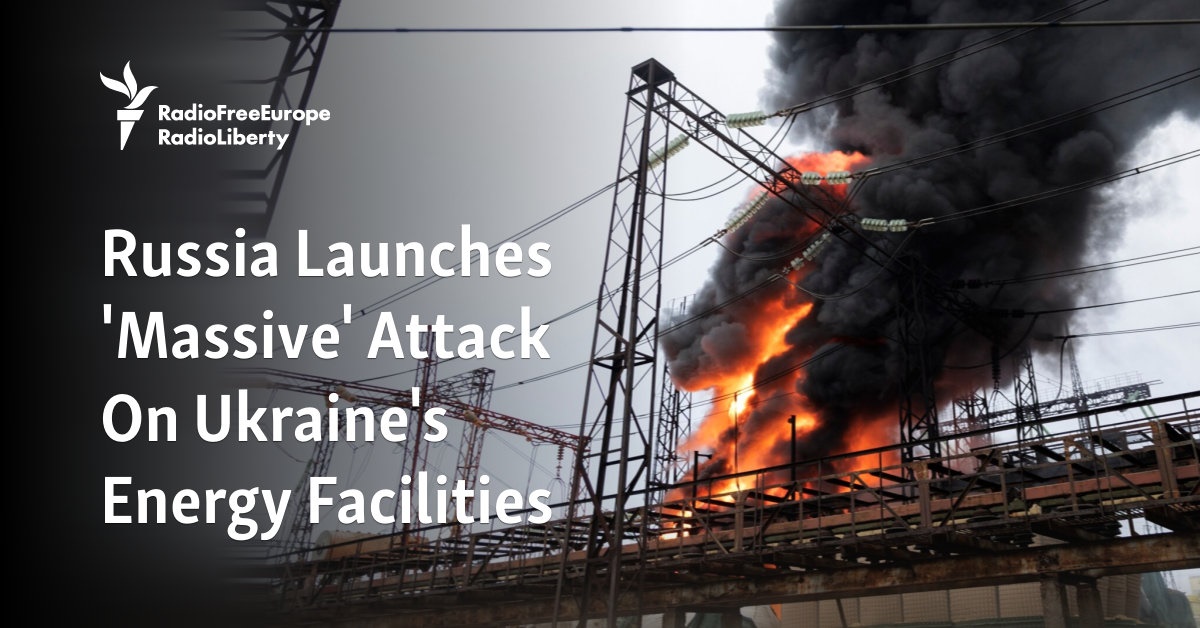
On April 15, 2026, Russian forces launched a large-scale missile and drone attack across multiple Ukrainian cities, resulting in significant casualties and widespread damage to civilian infrastructure. According to verified reports from UN News and other international monitoring bodies, the strikes hit energy facilities, residential areas and critical supply lines in Kyiv, Odesa, Kharkiv, and Dnipro, among other locations. The assault marked one of the most intense bombardments since the escalation of hostilities in early 2024, prompting immediate condemnation from the United Nations Secretary-General, who called the attacks a clear violation of international humanitarian law.
Ukrainian officials confirmed that over 100 people were killed or injured in the barrage, with emergency services working amid ongoing air raid alerts to rescue civilians trapped under debris. The attacks specifically targeted power substations and heating plants, leaving hundreds of thousands without electricity or running water during a period of unseasonably cold weather. In Kyiv, residents reported hearing multiple explosions in the early morning hours, followed by citywide blackouts. Similar scenes unfolded in Odesa, where port infrastructure sustained damage, disrupting grain export operations vital to global food security.
The Russian Ministry of Defense claimed the strikes were precision operations aimed at degrading Ukraine’s military logistics and command networks. However, independent analysts from the Conflict Armament Research group and the Institute for the Study of War noted that the majority of munitions struck civilian zones, including apartment buildings and schools. Satellite imagery reviewed by Reuters showed craters near kindergartens and medical clinics in Dnipro, contradicting official Russian assertions of avoiding non-military targets.
In response, the United Nations Office for the Coordination of Humanitarian Affairs (OCHA) issued an urgent appeal for increased funding to support emergency repairs to Ukraine’s damaged energy grid. As of April 16, 2026, OCHA reported that only 35% of the $4.2 billion requested for 2026 humanitarian operations in Ukraine had been secured, leaving critical gaps in shelter, medical supplies, and winterization efforts. The UN Human Rights Monitoring Mission in Ukraine also announced it would collect evidence from the attacks for potential use in future accountability proceedings before international tribunals.
Western nations, including the United States, Germany, and Canada, swiftly condemned the attacks and pledged additional air defense systems to bolster Ukraine’s ability to intercept incoming threats. The U.S. Department of Defense confirmed the dispatch of two Patriot missile batteries to western Ukraine within 72 hours of the strikes, while Germany announced accelerated delivery of IRIS-T SLM systems. NATO Secretary-General Jens Stoltenberg stated that the alliance would convene an emergency session of the Ukraine Defense Contact Group to coordinate further assistance.
Meanwhile, diplomatic channels remained strained. Kremlin spokesperson Dmitry Peskov dismissed allegations of indiscriminate bombing, asserting that Russian forces adhered strictly to proportionality and distinction principles under the laws of war. He characterized the Ukrainian government’s casualty figures as exaggerated for propaganda purposes, a claim rejected by the Office of the UN High Commissioner for Human Rights, which maintains a verified casualty database based on hospital records, morgue data, and on-the-ground investigations.
The humanitarian toll extended beyond immediate casualties. In Kharkiv, doctors reported a surge in cases of hypothermia and respiratory illness as displaced families sought shelter in metro stations and unfinished buildings. Aid organizations like the International Committee of the Red Cross (ICRC) and CARE International distributed blankets, generators, and hygiene kits, but access remained hampered by ongoing security risks and bureaucratic delays at checkpoints.
Energy experts warned that repeated strikes on Ukraine’s grid could trigger a cascading failure, particularly if substations in the Dnipro-Odesa corridor continue to be targeted. Ukrenergo, the state-owned grid operator, confirmed that repair crews were working around the clock but faced shortages of spare parts due to export restrictions and damaged rail links. The World Bank estimated that reconstructing Ukraine’s energy infrastructure could exceed $15 billion over the next three years, contingent on sustained international support.
As of the morning of April 16, 2026, air raid alerts remained active across central and eastern Ukraine, with civilians advised to seek shelter during scheduled power outages implemented to prevent grid overload. The State Emergency Service of Ukraine urged residents to conserve energy and avoid unnecessary travel, while local volunteer networks coordinated evacuation efforts for elderly and disabled individuals from high-risk zones.
The latest developments underscore the enduring human cost of prolonged conflict and the critical importance of upholding protections for civilians under international law. With no immediate signs of de-escalation, humanitarian agencies continue to advocate for unimpeded access to affected populations and increased funding for life-saving assistance.
For ongoing updates on the situation in Ukraine, including verified casualty figures, infrastructure status, and humanitarian response efforts, readers are encouraged to consult the official websites of the United Nations Office for the Coordination of Humanitarian Affairs (OCHA) and the Office of the UN High Commissioner for Human Rights.
We invite our global audience to share thoughts, observations, and questions in the comments section below. Your engagement helps foster informed dialogue on pressing international issues. Please consider sharing this article to help amplify verified information about the humanitarian impact of the conflict in Ukraine.