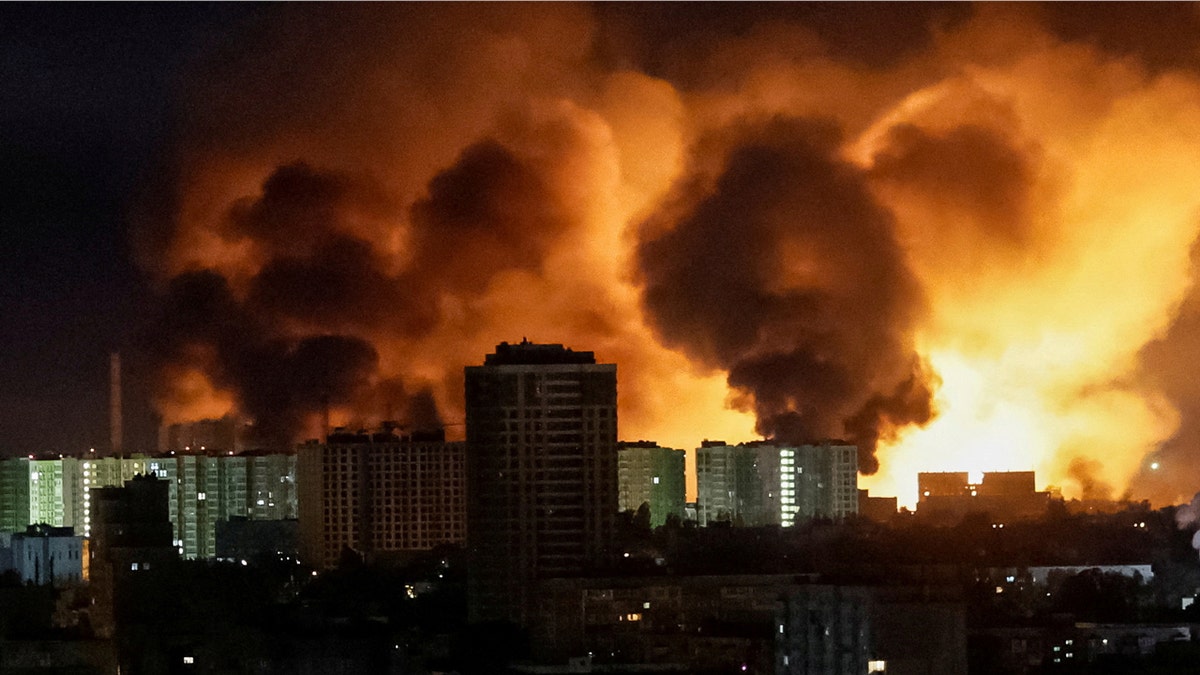
The security landscape in Eastern Europe has reached a new level of complexity following recent reports of Russia utilizing the Oreshnik missile system in a large-scale strike against Ukrainian infrastructure. This deployment marks a significant development in the ongoing conflict, drawing international attention to the technical capabilities and strategic intentions of the Kremlin. As the situation evolves, global observers are closely monitoring the implications for regional stability and the future of military engagements in the region.
The Oreshnik, described by Russian officials as a new intermediate-range ballistic missile, was reportedly deployed as part of a coordinated barrage involving a significant number of drones and conventional missiles targeting Kyiv and other urban centers. According to official statements from the Kremlin, the missile was tested in combat conditions, signaling a shift in the hardware being introduced into the theater of operations. The use of such advanced weaponry underscores the intensity of the current escalation, which has left civilian infrastructure and energy grids across Ukraine under sustained pressure.
Understanding the Oreshnik Missile System
The emergence of the Oreshnik—which translates to “hazel tree” in Russian—has prompted urgent analysis from military experts and intelligence agencies worldwide. Russian President Vladimir Putin confirmed the use of the weapon in a televised address, characterizing it as a non-nuclear, hypersonic ballistic missile capable of striking targets at high speeds. This development is particularly concerning for defense planners due to the challenges posed by hypersonic flight paths for traditional air defense systems, which are designed primarily to intercept conventional ballistic trajectories.
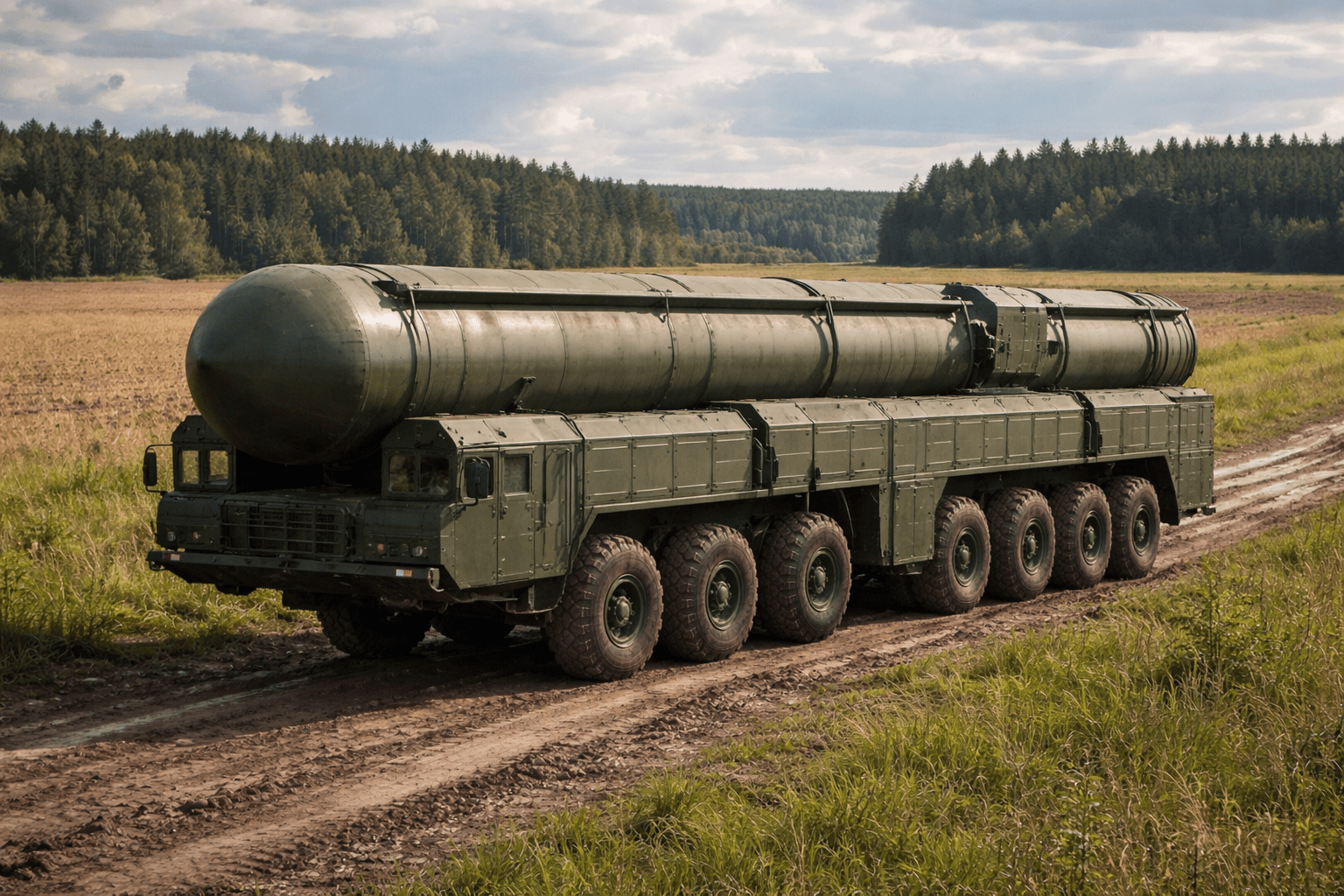
While the Kremlin frames the deployment as a response to the use of Western-supplied long-range weapons by Ukraine, international analysts emphasize that the Oreshnik represents a strategic signaling tool. By utilizing this technology, Russia is attempting to demonstrate its capacity to bypass sophisticated air defenses, thereby increasing the psychological and tactical burden on Ukrainian forces and their international partners. The North Atlantic Treaty Organization (NATO) and various defense ministries are currently reviewing telemetry data to better understand the missile’s specific flight profile and potential intercept vulnerabilities.
The Impact of Large-Scale Attacks on Ukraine
The recent barrage, which utilized hundreds of drones and dozens of cruise and ballistic missiles, represents one of the most comprehensive aerial assaults since the conflict’s inception. These operations are designed not only to degrade military assets but also to systematically target critical energy infrastructure, aiming to diminish the resilience of urban populations during the winter months. Reports from the United Kingdom Ministry of Defence have frequently highlighted how these sustained waves of fire are intended to overwhelm local air defense batteries, forcing commanders to prioritize which assets to protect.
For the residents of Kyiv and other major cities, these attacks have become a tragic, recurring reality. The reliance on widespread drone swarms—often low-cost, expendable units—acts as a precursor to more expensive missile strikes, effectively depleting interceptor stockpiles. The human impact is profound, with widespread power outages and heating disruptions forcing communities to adapt to an increasingly volatile environment. Humanitarian organizations continue to provide emergency support, yet the scale of the damage requires constant, large-scale infrastructure repairs that are often interrupted by subsequent waves of attacks.
International Reactions and Strategic Implications
The international community remains divided on how to respond to the introduction of new missile technologies and the intensification of the air war. Western allies have condemned the targeting of civilian infrastructure, with many nations increasing their commitments to bolster Ukraine’s air defense capabilities through the provision of advanced systems like the Patriot and NASAMS. These efforts are aimed at creating a “layered” defense that can better manage the diverse threat profile posed by drones, cruise missiles, and now, the Oreshnik system.
The geopolitical fallout extends beyond the immediate battlefield. Diplomatic channels are currently focused on preventing further escalation, as the deployment of advanced weaponry invites a cycle of retaliatory measures. Leaders from the G7 nations have emphasized the importance of maintaining a unified stance to deter further technological escalations that could threaten broader European security. As we look toward the coming weeks, the primary focus for policymakers will be the replenishment of Ukrainian defensive stockpiles and the monitoring of Russian production facilities, which remain under international sanctions aimed at curbing their ability to manufacture high-tech weaponry.
Key Developments to Watch
- Defense Upgrades: Potential announcements regarding the transfer of additional long-range air defense batteries to Ukraine.
- Intelligence Assessments: Continued analysis by NATO and independent military institutes regarding the Oreshnik’s true operational range and maneuverability.
- Energy Infrastructure Resilience: Updates from local Ukrainian authorities on the status of the national power grid following recent strikes.
- Diplomatic Consultations: Upcoming sessions at the United Nations and bilateral meetings between European leaders regarding the long-term containment of regional military escalations.
The situation remains highly fluid, and official updates from the Ukrainian Ministry of Defense and international monitoring bodies are expected as new data becomes available. We will continue to track these developments closely as they unfold. We invite our readers to share their perspectives and stay informed by following our coverage on World Today Journal for the latest verified reports.

Keep reading