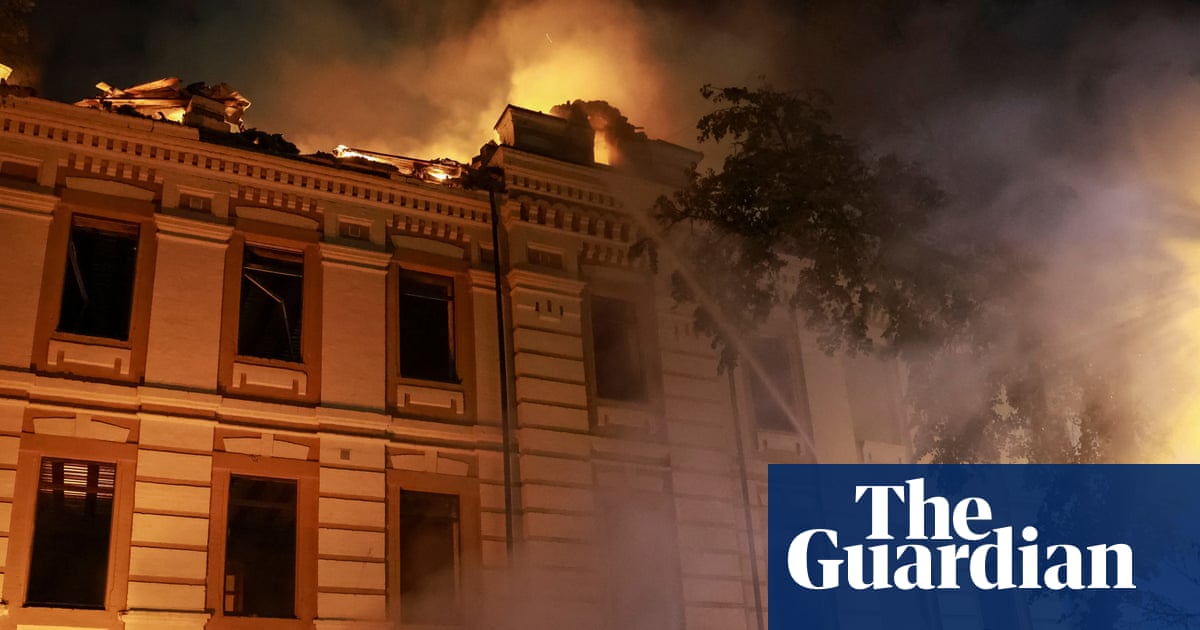
Russia has carried out one of its most significant ballistic missile and drone assaults on Kyiv and other Ukrainian cities, resulting in widespread infrastructure damage, fires, and multiple casualties. The overnight campaign, which spanned several hours, involved a sophisticated mix of weaponry, including Iskander-M and hypersonic Zircon missiles, as well as a large volume of strike drones.
Casualties and Infrastructure Damage
The impact of the strikes has been severe across the capital and other regions. According to officials, the attack on Kyiv left at least six people dead and dozens injured. In the central Shevchenkivskyi district, a three-storey building caught fire, where rescuers recovered a body from the debris. Damage was reported across the capital, affecting residential buildings, offices, a dormitory, a supermarket, and a clinic.
Beyond Kyiv, the violence extended to other parts of the country. A Russian attack on a postal facility near Kharkiv killed three people and wounded at least 20, while strikes in Kherson and Sumy each resulted in at least one fatality. Additionally, a separate incident in the Black Sea saw a Turkish-owned cargo ship, the Golden Leo, struck by Russian missiles while transporting grain. Ukrainian authorities confirmed that six sailors were killed and four remained missing, with a Ukrainian maritime pilot also reported dead in that attack.
Military Assessment and Air Defense
The Ukrainian military reported that the assault on Kyiv was a primary target. In the capital, air defense systems intercepted 18 missiles and 108 drones out of the total launched. Residents reported hearing air raid sirens at 1:30 a.m., followed by the sounds of air defenses and a series of powerful explosions. A second air raid siren was triggered at 6:30 a.m. as further impacts occurred.
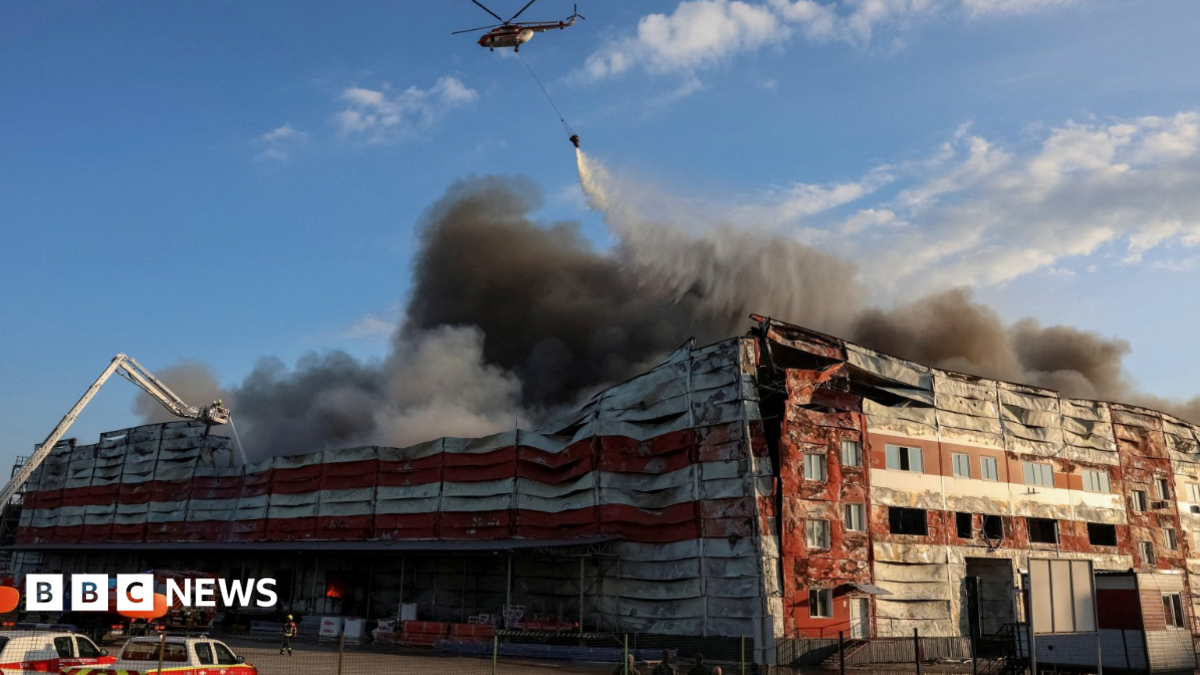
The scale of the operation has raised concerns about the strain on Ukraine’s defense capabilities.
For more on this story, see Russia’s Deep Interior Under Siege: MT Verifies & Analyzes 4 Recent Attacks-Including Last Week’s Record Strikes on Moscow.
Strategic Escalation and Market Impact
The recent barrage is viewed by analysts as a strategic shift in Russia’s military operations. This intensification of hostilities follows a series of large-scale attacks initiated since early July.
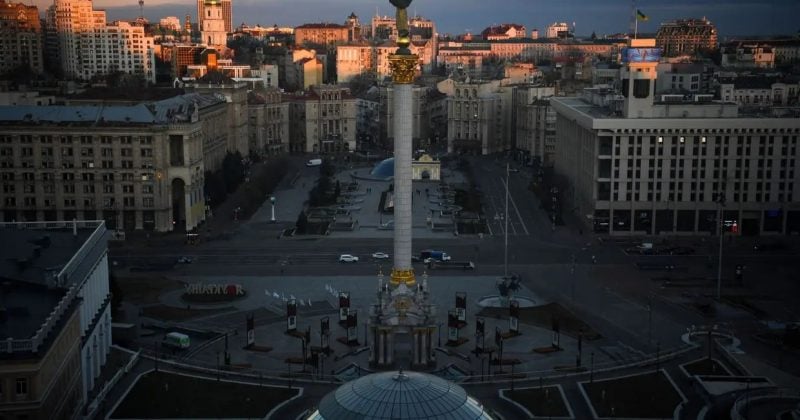
Market observers are monitoring these developments closely, as the increased missile activity and potential for further territorial gains in regions like Donetsk Oblast have influenced market expectations. The potential for rising tensions between NATO and Russia remains a significant point of concern for international observers.
Ongoing Conflict Context
The situation remains volatile, with both sides engaging in reciprocal strikes. While Russia has targeted Ukrainian urban centers and infrastructure, Ukraine has also conducted operations against Russian assets, including reported strikes on oil depots and the “shadow fleet” of tankers in the Black Sea.
President Zelenskyy stated these targets were chosen because they finance Russian aggression.
Meanwhile, the Caspian Pipeline Consortium reported that its terminal was hit, resulting in damaged tankers and the suspension of loading operations.
As the conflict enters its fifth year, the pressure on Kyiv’s foreign partners to accelerate the supply of anti-ballistic defenses continues to mount. Foreign Minister Andriy Sybiga described the recent attacks as a campaign of terror,
while Ukrainian officials maintain that the protection of civilian centers is essential as the war continues to cause devastation across the country.
Sources: Theguardian, Cryptobriefing.
Related reading