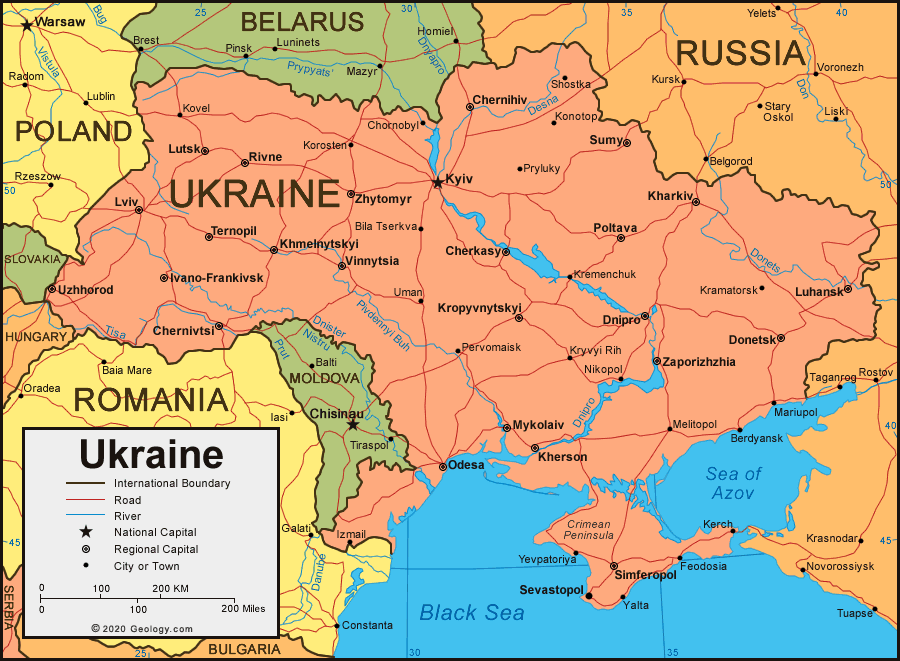
Ukrainian marines have utilized FPV drones launched from Barracuda unmanned surface vessels to strike Russian positions near Zaliznyi Port in the Kherson region. This operation marks the first time these drone-equipped naval vessels have been deployed in combat, targeting Russian logistics, equipment, and troop concentrations despite heavy enemy fire.
Deployment of Barracuda Unmanned Vessels
Ukrainian military forces have integrated multiple unmanned systems to enhance their operational reach in the Kherson region. The recent mission involved Barracuda unmanned surface vessels (USVs), which served as mobile platforms for launching first-person view (FPV) attack drones.
The engagement encountered significant resistance from the outset. During the execution of the combat mission, the Barracuda unmanned surface vessels (known in Ukrainian as BEKs) came under intense enemy shelling. Reports indicate that Russian forces identified the incoming vessels and deployed four “Lancet” loitering munitions specifically to neutralize the fleet. While one Barracuda vessel was lost during the exchange due to these strikes, the remaining units successfully navigated the hostile environment and reached their designated launch coordinates. Once the vessels arrived at the target area, they performed additional reconnaissance before launching the FPV drones to strike the identified enemy positions.
Tactical Objectives and Operational Success
The coordinated use of naval and aerial drone technology facilitated a multi-layered attack on Russian infrastructure. According to the military, the deployment of FPV drones after the reconnaissance phase allowed for the successful neutralization of several key targets:
- Russian logistics infrastructure and military equipment.
- Camouflaged defensive positions held by occupation forces.
- Concentrations of personnel within the occupied territory.
This mission follows a public demonstration of the Barracuda system on July 14, where its capabilities were shown alongside other unmanned platforms. The Ukrainian Navy (VMS) has emphasized that the interaction between different types of drone systems allows for the more effective detection and neutralization of enemy forces. By combining the mobility of the Barracuda surface vessels with the precision of FPV strike drones, the military has established a new workflow for engaging targets in the Kherson region.
Future Developments in Naval Drone Concepts
Beyond current combat operations, Ukrainian defense developers are refining the next generation of maritime unmanned technology. The Main Directorate of Intelligence (HUR) is currently working on a new system designed to expand the role of naval drones in the Black Sea. Beyond kinetic strikes, the concept aims to enable the interception of ships subject to international sanctions, allowing for their escort to port for subsequent confiscation.
The Katran multipurpose drone is expected to serve as the technological base for this evolving maritime strategy. As the conflict continues, the successful deployment of the Barracuda system near Zaliznyi Port underscores a broader transition toward integrated unmanned warfare, where maritime platforms act as mobile hubs for aerial strike assets.
Related reading