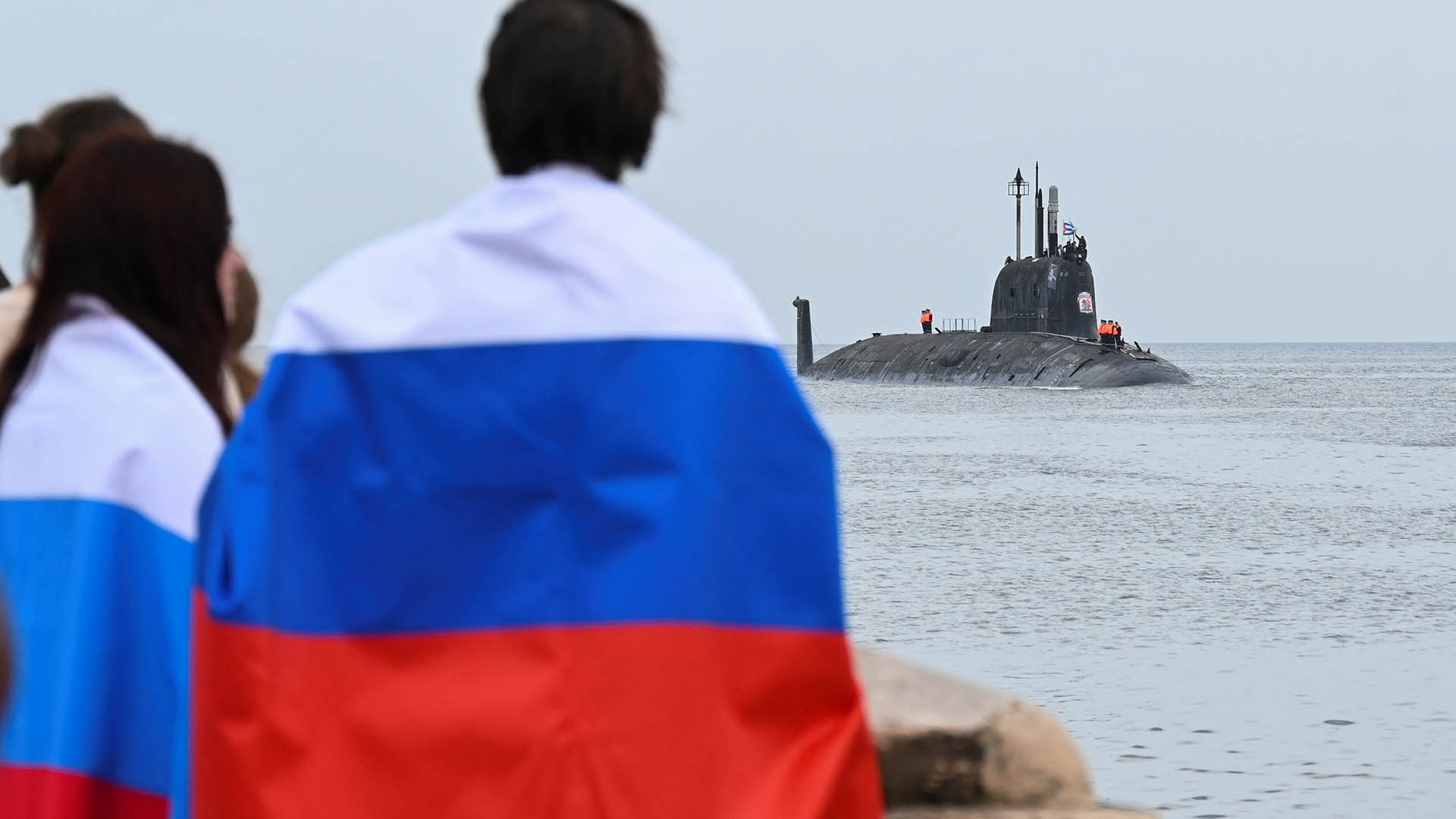
Russia’s “harmony” System: How the Kremlin Circumvents Sanctions to Spy on the West
A massive, collaborative examination by leading international news organizations has uncovered a sophisticated Russian intelligence operation designed to monitor underwater communications in the North Atlantic. Dubbed “Harmony,” this system relies heavily on Western technology procured through a clandestine network of shell companies and seemingly legitimate European businesses. This report details how Russia is actively evading sanctions and exploiting the global market to bolster its intelligence capabilities, and what it means for Western security.
A Web of Deception: The Procurement Network
German investigators initially flagged suspicious activity involving Russian companies with close ties to Kremlin intelligence agencies. This led to the finding of a far-reaching procurement system spanning four continents, detailed in leaked records known as the ”Mostrello Files.”
Here’s what the investigation revealed:
* mostrello Ltd., a Cypriot entity, acted as a central hub, coordinating purchases from over 50 European suppliers.
* These suppliers provided critical components for the “Harmony” system, including:
* An underwater drone capable of operating at extreme depths (nearly 10,000 feet).
* Hundreds of miles of fiber optic cables.
* A fleet of ships disguised as commercial or research vessels.
* Dozens of shell companies registered in tax havens like the Seychelles, belize, and the British Virgin Islands were used to obscure ownership and connections to Russia.
Essentially, Russia is using a complex network to mask its purchases and bypass export controls. As Vice Admiral Nils Andreas stensønes, head of Norwegian intelligence, explained, “Actors exploit the EU’s free market to access Western technology. Simultaneously occurring,this method conceals parts of the supply chain and obscures the Russian end-user.”
Abandoned Headquarters and Silent Employees
Reporters from Dutch broadcaster KRO-NCRV visited Mostrello’s headquarters in Limassol, Cyprus, in September. They found an office that appeared to have been abruptly abandoned, with no staff present. Attempts to contact former employees for comment were unsuccessful, further fueling suspicions about the operation’s secretive nature.
The “Harmony” System: Location and Purpose
While the exact location of the “Harmony” system remains classified, the international reporting team was able to pinpoint clues to its deployment. By tracking the equipment procured through Cyprus, they identified key areas in the Arctic Ocean:
* Waters off the coast of Murmansk, Russia.
* Novaya Zemlya, a remote archipelago.
* Alexandraland, a sector of Franz Josef Land.
The sensors appear to be arranged in an arc shape, suggesting a complete monitoring network designed to intercept underwater communications.This raises serious concerns about russia’s ability to monitor NATO naval activity and potentially disrupt critical infrastructure.
Implications for Western Security
This investigation highlights a critical vulnerability in Western security.Russia’s ability to exploit the free market and utilize complex procurement networks to acquire sensitive technology poses a meaningful threat. You might be wondering what this means for you. It means that the technology you rely on, and the security of your nations, is being actively undermined by a determined adversary.
Here’s what you need to know:
* Sanctions are not foolproof. Russia is actively finding ways to circumvent them.
* supply chain security is paramount. Western companies need to be vigilant about who they are doing business with.
* Increased intelligence gathering is crucial. Understanding russia’s methods is essential to countering them.
The Russian government has not responded to requests for comment regarding these findings.
This investigation was a collaborative effort by: NDR, WDR and Süddeutsche Zeitung (Germany), Le Monde (France), L’Espresso (Italy), Kyodo News (Japan), NRK (Norway), KRO-NCRV (Netherlands), SVT (Sweden), The Times (U.K.), The Washington Post (U.S.) and ICIJ.
Sources:
* [L’Espresso Investigation](https://lespresso.it/c/inchi
Worth a look