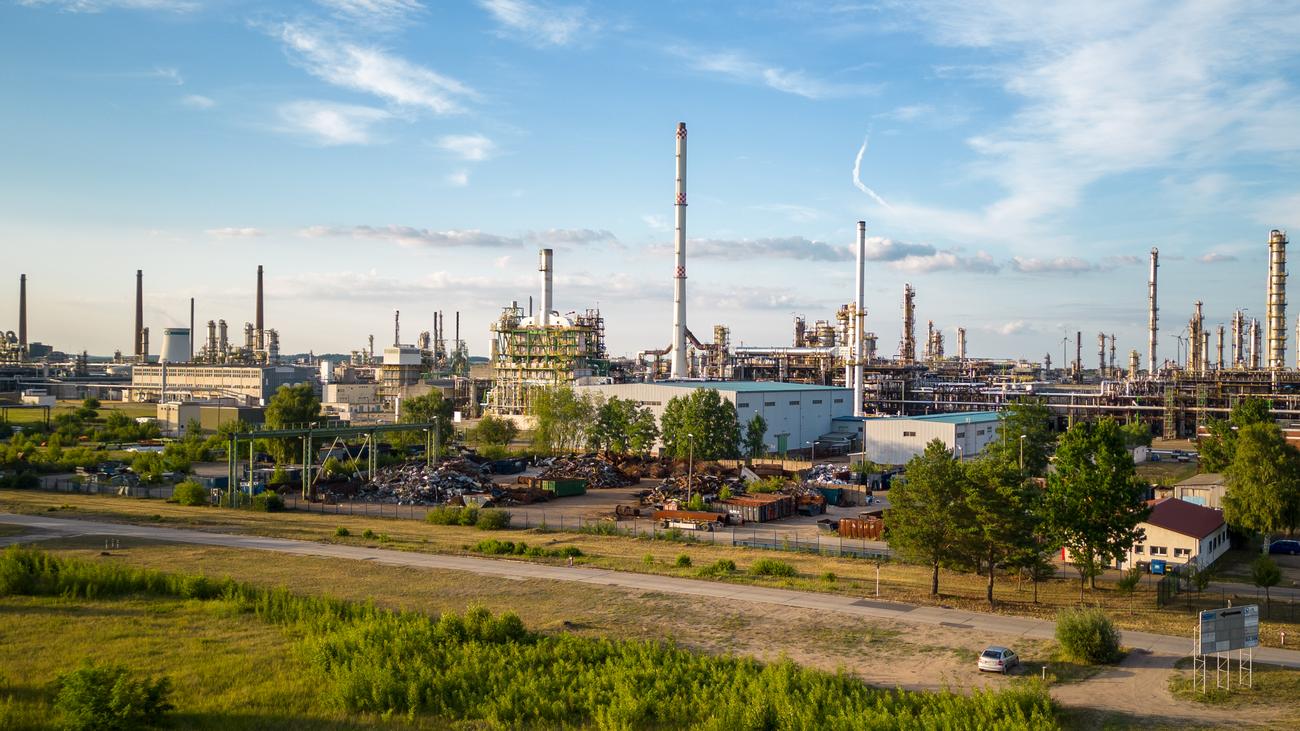
The energy security of Germany’s capital has entered a precarious new phase as Russia officially halted the transit of Kazakh oil through the Druzhba pipeline on May 1, 2026. The move, which Moscow attributed to current technical capabilities
, disrupts a critical supply chain that feeds the PCK refinery in Schwedt, the primary source of petrol, diesel and heating oil for the city of Berlin.
This sudden cessation of flow marks a significant escalation in the geopolitical maneuvering over energy infrastructure in Europe. While the oil originates in Kazakhstan, the Druzhba pipeline—one of the world’s longest oil pipeline networks—is operated by Russian entities, giving Moscow effective control over who receives the crude and via which route.
For Berlin, the stakes are immediate. The PCK refinery, located approximately 100 kilometers (62 miles)
northeast of the capital, is a vital energy hub. Because the refinery is landlocked and heavily dependent on pipeline infrastructure, the loss of Kazakh crude creates an urgent logistical vacuum that the German government is now scrambling to fill through diplomatic channels and alternative shipping routes.
The Strategic Impact on Berlin’s Energy Supply
The halt of Kazakh oil flows is not merely a technical glitch but a direct threat to the fuel stability of eastern Germany. The PCK refinery in Schwedt supplies the vast majority of the fuel needed for Berlin’s transport and heating sectors. Without a steady stream of crude, the refinery faces operational risks that could lead to localized fuel shortages or price spikes at the pump.
Russian Deputy Prime Minister Alexander Novak confirmed on April 22, 2026, that the suspension would accept effect on May 1. Novak stated that the volumes of Kazakh oil previously transported via the Druzhba pipeline to Germany would be redirected to other available logistics routes
. This redirection effectively strips Germany of a reliable, low-cost pipeline delivery method, forcing the country to rely on more expensive and slower maritime alternatives.
The disruption is particularly acute because the PCK refinery was originally designed to process Russian crude during the Soviet era. While Germany has spent the last several years diversifying its energy sources to reduce dependence on Moscow, the infrastructure of the Druzhba pipeline remains a lingering vulnerability. According to reporting by Al Jazeera, the refinery’s dependence on this specific flow makes it a primary target for Russian energy leverage.
Kazakhstan’s Pivot: New Routes and Logistics
Kazakhstan, finding itself caught between its geographic reliance on Russian pipelines and its commercial obligations to Germany, has been forced to seek urgent alternatives. The Kazakh Energy Ministry has announced a plan to reroute its exports to ensure that German contracts are honored, albeit through much more complex means.
According to a spokesperson for the Kazakh Energy Ministry, Asel Serikpayeva, the rerouting involves approximately 260,000 tons of crude
that were originally slated for the Druzhba pipeline. These volumes will now be diverted through the Russian port of Ust-Luga in the Leningrad region and via the Caspian Pipeline Consortium (CPC) system. This shift means that oil that once flowed directly into Germany via pipe must now be loaded onto tankers, shipped across the sea, and then unloaded at German ports—adding significant time and cost to the process.
The transition to maritime transport is a necessary stopgap, but it does not solve the immediate problem for the PCK refinery, which cannot simply “plug in” a tanker. The oil must be transported from the coast back to Schwedt via rail or barge, a logistical hurdle that is significantly less efficient than the seamless flow of a pipeline.
Germany’s Response: Diplomatic Pressure and Polish Cooperation
The German government has responded with a mix of diplomatic urgency and logistical improvisation. In the days leading up to the May 1 deadline, Berlin entered high-level talks with the Polish government to explore the possibility of transiting additional crude supplies through Polish infrastructure to reach the Schwedt refinery.
Reports from Bloomberg indicate that Germany is seeking Polish assistance to stabilize the refinery’s input. This cooperation is critical because Poland controls a significant portion of the Druzhba network’s western segments. If Poland can facilitate the transit of alternative crudes or help optimize existing flows, the risk of a fuel crisis in Berlin may be mitigated.
However, the situation remains tense. The German subsidiary of Rosneft—the Russian state-owned oil giant—informed German regulators that the Russian Energy Ministry had ordered the suspension. Notably, officials in Berlin reported that Moscow did not confirm the decision directly to the German government, instead communicating the move through corporate intermediaries and public statements from Deputy Prime Minister Novak.
Key Takeaways: The Druzhba Oil Halt
- Effective Date: The halt of Kazakh oil flows through the Druzhba pipeline began on May 1, 2026.
- Primary Target: The PCK refinery in Schwedt, which provides the bulk of Berlin’s petrol and heating fuel.
- Volume Affected: Approximately 260,000 tons of crude oil are being rerouted.
- New Routes: Kazakhstan is diverting oil through the port of Ust-Luga and the Caspian Pipeline Consortium.
- German Strategy: Berlin is negotiating with Poland for alternative transit options to avoid fuel shortages.
Broader Geopolitical Implications
This event underscores the “weaponization” of energy infrastructure. By citing technical capabilities
, Russia is able to exert pressure on Germany without officially declaring a political embargo. This allows Moscow to maintain a degree of plausible deniability while simultaneously testing the resilience of Germany’s energy transition.
For Kazakhstan, the incident highlights the danger of “transit dependency.” Despite its efforts to diversify export routes, the majority of its oil must still pass through Russian territory to reach global markets. The sudden redirection of 260,000 tons of oil serves as a reminder that as long as the physical pipes are controlled by Moscow, the sovereignty of Kazakh exports remains conditional.
For the broader European Union, the crisis in Schwedt is a cautionary tale. It proves that even when a country stops buying oil directly from Russia, the reliance on Russian-operated infrastructure for third-party oil (like that from Kazakhstan) remains a critical vulnerability. The push for “energy independence” now extends beyond the source of the fuel to the very pipes that carry it.
What Happens Next?
The immediate focus for the German government is the operational stability of the PCK refinery throughout May. If the maritime rerouting from Ust-Luga and the CPC system cannot keep pace with the refinery’s needs, Berlin may be forced to implement emergency fuel reserves or seek further spot-market purchases of refined products to prevent price volatility.
The next critical checkpoint will be the results of the ongoing negotiations between Berlin and Warsaw. A formal agreement on the transit of additional crude through Polish territory would provide the most stable long-term solution for the Schwedt refinery.
World Today Journal will continue to monitor the fuel levels in Berlin and the diplomatic developments between Germany, Poland, and Kazakhstan. We invite our readers to share their perspectives on energy security in the comments below.