
Russia’s Rassvet: The Shifting Timeline of the Nation’s Starlink Competitor
In the high-stakes race for Low Earth Orbit (LEO) dominance, the pursuit of “space sovereignty” has become a central pillar of modern telecommunications strategy. For years, the global satellite internet market has been defined by the rapid expansion of SpaceX’s Starlink. However, Russia is now making a concentrated push to establish its own domestic alternative: a satellite constellation known as Rassvet.
Designed to provide high-speed broadband connectivity to Russia’s most remote and geographically challenging regions, the Rassvet project represents a critical attempt to decouple the nation’s digital infrastructure from Western-controlled satellite networks. While the project aims to mirror the functionality of LEO-based providers, it is expected to operate on a significantly smaller scale than its American counterparts. As the industry watches closely, the primary question is no longer just whether the constellation will launch, but whether it can finally meet its increasingly fluid deadlines.
According to reports from Reuters, the project is being spearheaded by a private aerospace firm, marking a notable shift toward private-sector involvement in what has traditionally been a state-dominated Russian space industry. This move toward commercialization is intended to accelerate the deployment of the Rassvet constellation, which is positioned as a key component of the broader national satellite initiative.
The Rassvet Project: A Scaled-Down LEO Alternative
To understand the significance of Rassvet, one must first understand the mechanics of Low Earth Orbit (LEO) technology. Unlike traditional geostationary satellites, which orbit at much higher altitudes (approximately 35,786 kilometers) and often suffer from high latency, LEO satellites orbit much closer to the Earth—typically between 500 and 2,000 kilometers. This proximity allows for significantly faster data transmission speeds and lower latency, making LEO constellations the gold standard for modern satellite broadband.

While SpaceX has deployed thousands of satellites to create a dense, global web of connectivity, the Rassvet constellation is expected to be a more targeted deployment. Rather than aiming for total global coverage, the Russian project is focused on providing reliable service across the vast and often disconnected territories of the Russian Federation. This includes the Arctic regions, Siberia and other areas where laying fiber-optic cable is either geographically impossible or economically unfeasible.
By focusing on a smaller, more specialized constellation, the operators of Rassvet may be able to manage the immense capital expenditures and technical complexities associated with satellite deployment more effectively. However, this “smaller” approach also means the network will have less redundancy and a more limited footprint compared to the massive scale of the Starlink network.
The Sfera Program: A Broader Framework for Connectivity
Rassvet does not exist in a vacuum; it is part of a much larger, state-aligned ambition known as the Sfera (Sphere) program. The Sfera initiative is a multi-layered national project designed to create a comprehensive satellite ecosystem that covers everything from Earth observation and navigation to high-speed telecommunications.
The Sfera program serves as the strategic umbrella under which various satellite projects, including Rassvet, are developed and integrated. The goal is to ensure that the Russian government and its domestic industries have access to independent data and communication channels that are immune to international sanctions or the control of foreign entities. This pursuit of “digital autonomy” has become increasingly urgent as geopolitical tensions continue to influence the global supply chain for high-tech components and aerospace hardware.
The integration of private aerospace firms into the Sfera framework suggests a hybrid model of development. By leveraging private capital and innovation, the Russian state hopes to mitigate the heavy financial burden on the federal budget while still maintaining strategic oversight of the nation’s orbital assets.
Why the Deadlines Keep Moving
The history of the Rassvet project has been characterized by a cycle of ambitious milestones followed by significant delays. For nearly a decade, the project has remained a “coming soon” fixture in the aerospace sector, with various completion dates being proposed and subsequently pushed back. Currently, a 2027 deadline is the primary target for significant commercial progress, yet industry analysts note that this date has historically been subject to revision.
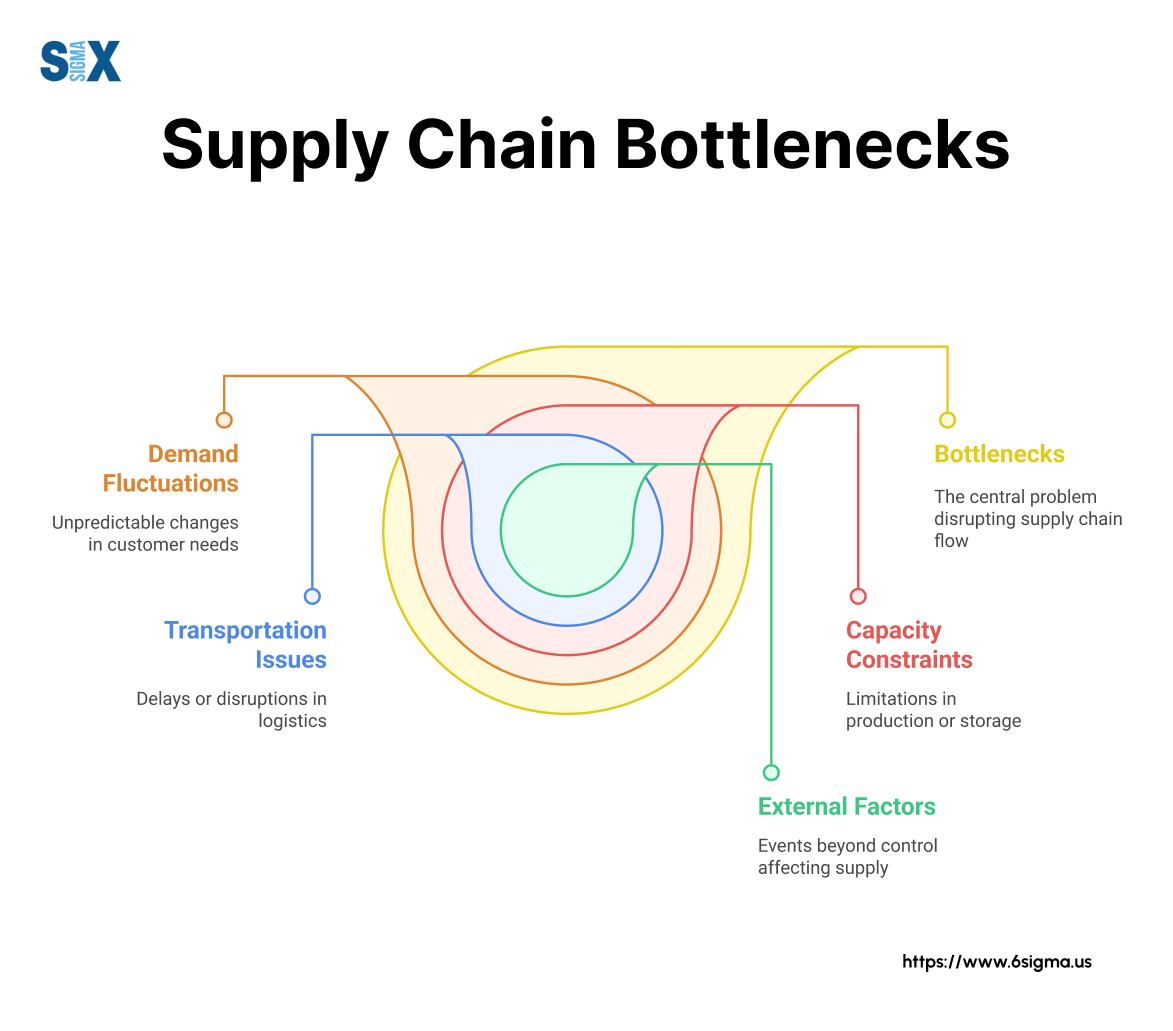
Several factors contribute to these persistent delays:
- Supply Chain Constraints: The aerospace industry is highly dependent on specialized microelectronics and advanced materials. International restrictions and sanctions have made the procurement of high-end components significantly more difficult and time-consuming for Russian firms.
- Launch Capability: Building a satellite constellation requires a consistent and reliable cadence of rocket launches. Any fluctuations in launch availability or technical issues with launch vehicles can create a bottleneck for deployment.
- Technical Complexity: Managing a LEO constellation requires sophisticated ground station networks, complex orbital maneuvering capabilities, and seamless handovers between satellites to maintain a stable connection for the end-user.
- Funding and Economic Volatility: While private involvement is increasing, the massive capital requirements for satellite manufacturing and launch mean that any shifts in the economic landscape can impact project timelines.
As the 2027 target approaches, the ability of the Rassvet operators to stabilize their supply chains and maintain a consistent launch schedule will be the ultimate test of the project’s viability.
Technical and Geopolitical Implications
The development of Rassvet is as much a geopolitical statement as it is a technological endeavor. In the modern era, control over information flow and connectivity is a form of soft power. By establishing a domestic LEO network, Russia aims to reduce its reliance on foreign-controlled infrastructure, which could be subject to service interruptions or data monitoring by external actors.
From a technical standpoint, the success of Rassvet would demonstrate that the Russian aerospace sector can still innovate and execute complex, large-scale projects despite significant external pressures. It would also provide a blueprint for how other nations seeking “technological sovereignty” might approach the challenge of satellite internet.
However, the competitive landscape is tightening. While Russia works toward its 2027 goals, other players are also expanding their LEO presence. Amazon’s Project Kuiper and the continued expansion of OneWeb represent additional layers of competition that could saturate the market before Rassvet achieves full operational capacity.
Comparison: LEO Satellite Approaches
| Feature | Starlink (SpaceX) | Rassvet (Russia) |
|---|---|---|
| Primary Goal | Global broadband coverage | Domestic/Remote connectivity |
| Scale | Massive (Thousands of satellites) | Moderate (Targeted constellation) |
| Deployment Model | Vertically integrated (Private) | Hybrid (Private/State-aligned) |
| Key Advantage | Global scale and proven reliability | National sovereignty and targeted focus |
What Happens Next?
The trajectory of the Rassvet project will likely be determined by the next series of orbital tests and launch attempts. For stakeholders in the telecommunications and aerospace industries, the ability of the Rassvet operators to hit their next set of technical milestones will provide the first concrete evidence of whether the 2027 deadline is a realistic target or another moving goalpost.

The next major checkpoint to watch will be the scheduled launch windows for the initial batches of the constellation, which will provide the first real-world data on signal latency and coverage reliability in the Russian interior.
What are your thoughts on the rise of national satellite constellations? Will domestic networks like Rassvet be able to compete with the global scale of Starlink? Let us know in the comments below and share this article with your network.