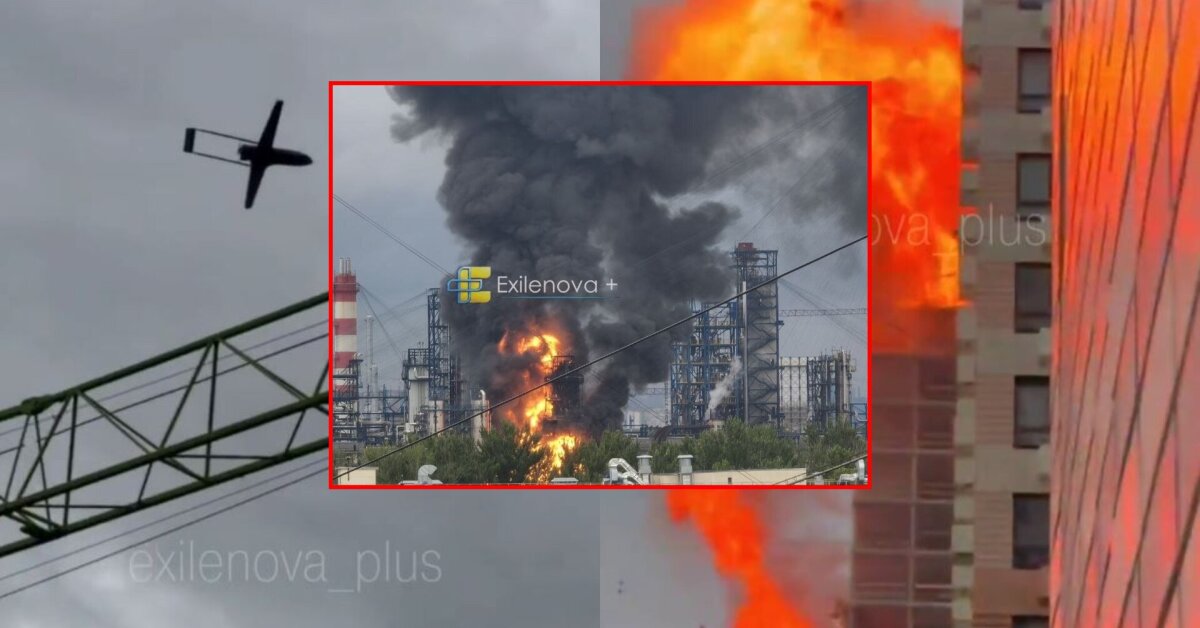
Moscow, Russia — A major oil refinery in Moscow, located just 15 kilometers from the Kremlin, was engulfed in flames following a Ukrainian drone strike, according to Russian officials and independent reports. The attack on the Moscow Refining Plant—one of the city’s largest fuel processing facilities—has sparked concerns over potential fuel shortages and escalating tensions in the ongoing Russia-Ukraine war. Russian authorities claim to have downed 60 drones targeting the facility, though independent verification of the strike’s impact remains limited.
The fire at the Moscow Refining Plant, operated by Rosneft, one of Russia’s largest state-owned oil companies, has raised alarms about the stability of Moscow’s fuel supply chain. The Kremlin has dismissed suggestions of a broader energy crisis, but experts warn that repeated strikes on critical infrastructure could disrupt domestic fuel distribution, particularly as winter approaches. Meanwhile, Ukrainian forces have intensified drone and missile attacks on Russian energy facilities, marking a shift in their strategy as they seek to undermine Moscow’s military and economic resilience.
This attack follows a series of high-profile strikes on Russian oil infrastructure, including a recent drone attack in Krasnodar Krai that caused a fire at a fuel storage facility. The escalation comes as Ukrainian President Volodymyr Zelenskyy has vowed to target Russia’s energy sector to weaken its war machine, while Russian President Vladimir Putin has repeatedly dismissed such strikes as ineffective, stating that “no attacks will change the strategic situation.” However, the Moscow refinery fire—one of the closest strikes to the Kremlin since the war began—has intensified speculation about the potential for further disruptions to Russia’s energy supplies.
Why the Moscow Refinery Strike Matters: A Targeted Blow to Russia’s Fuel Supply
The Moscow Refining Plant, with a daily processing capacity of over 10 million liters of fuel, is a critical node in Russia’s domestic energy distribution network. According to Reuters, the facility supplies roughly 15% of Moscow’s gasoline and diesel needs. While Russian authorities have downplayed the immediate impact, industry analysts warn that repeated strikes on refineries and storage depots could force Moscow to ration fuel or rely more heavily on imports from allied nations like Belarus and Kazakhstan.

This is not the first time Ukraine has targeted Russian oil infrastructure. In April, a drone strike in Krasnodar Krai ignited a fire at a fuel storage facility, causing temporary disruptions to regional supply chains. The Kremlin’s response has been swift but inconsistent: while Russian air defenses claim to have intercepted dozens of drones, independent observers note that some strikes still penetrate deep into Russian territory, particularly in areas with weaker defenses.
What makes the Moscow refinery strike particularly significant is its proximity to the Kremlin. The attack occurred in the Zelenograd district, a high-security area where many government and military facilities are located. While Russian officials have not confirmed casualties or direct damage to government buildings, the strike underscores the vulnerability of Moscow’s critical infrastructure—even in its most fortified zones.
Russia’s Fuel Crisis: Could This Strike Trigger Shortages?
Russian authorities have denied any immediate risk of fuel shortages, with the Ministry of Emergency Situations stating that the fire at the Moscow Refining Plant has been contained and that production has been partially restored. However, BBC reporting suggests that the strike has already caused temporary disruptions at gas stations in western Moscow, where drivers reported longer queues and occasional shortages.
:max_bytes(150000):strip_icc()/moscow-kremlin-and-st-basil-cathedral-at-dusk-158200423-5a64f4594e46ba00377331fb.jpg "Russia's Fuel Crisis: Could This Strike Trigger Shortages?")
Industry experts warn that the long-term impact could be more severe. “Russia’s refinery network is already operating at reduced capacity due to sanctions and Western pressure on its oil exports,” said International Energy Agency (IEA) analyst Elena Mitrofanova. “If Ukraine continues to target refineries, we could see localized fuel shortages, particularly in regions with limited alternative supply routes.”
Meanwhile, Russian state media has framed the strikes as evidence of Ukraine’s desperation, with TASS quoting Kremlin spokesman Dmitry Peskov as stating that such attacks “do not change the strategic balance.” However, private sector analysts suggest that the psychological impact on Russian civilians—and potential disruptions to military logistics—could be more significant than Moscow acknowledges.
Ukraine’s Shift in Strategy: Why Targeting Oil Infrastructure?
Ukrainian forces have increasingly focused on striking Russia’s energy sector, a strategy that aligns with Western calls to “degrade Russia’s war-making capacity.” Unlike earlier phases of the war, when Ukraine prioritized military and industrial targets, recent months have seen a surge in attacks on oil refineries, pipelines, and storage facilities. According to Kyiv Post, Ukrainian President Zelenskyy has explicitly stated that disrupting Russia’s fuel supply is a key priority to weaken its military and economic position.
The Moscow refinery strike follows a broader pattern of Ukrainian drone and missile attacks on Russian energy infrastructure. In December 2023, a strike on a refinery in Ryazan damaged a major fuel processing unit, while in February, drones hit a storage depot in Krasnodar, causing a fire that burned for days. These attacks have forced Russia to divert resources to air defense and emergency response, further straining its military and civilian infrastructure.
What sets the Moscow strike apart is its proximity to the political center. While previous attacks have targeted peripheral regions, this incident occurred within striking distance of the Kremlin—a symbolic as well as strategic blow. Ukrainian officials have not yet claimed responsibility for the attack, but Western intelligence sources suggest that the strikes are being coordinated with Western-provided drones and intelligence.
Putin’s Response: Dismissing Attacks as Ineffective
Russian President Vladimir Putin has repeatedly downplayed the impact of Ukrainian strikes, including those on energy infrastructure. In a recent speech, Putin stated that “no matter how many drones or missiles Ukraine launches, they will not change Russia’s strategic position.” However, analysts argue that the cumulative effect of such attacks—even if individually limited—could have significant consequences over time.
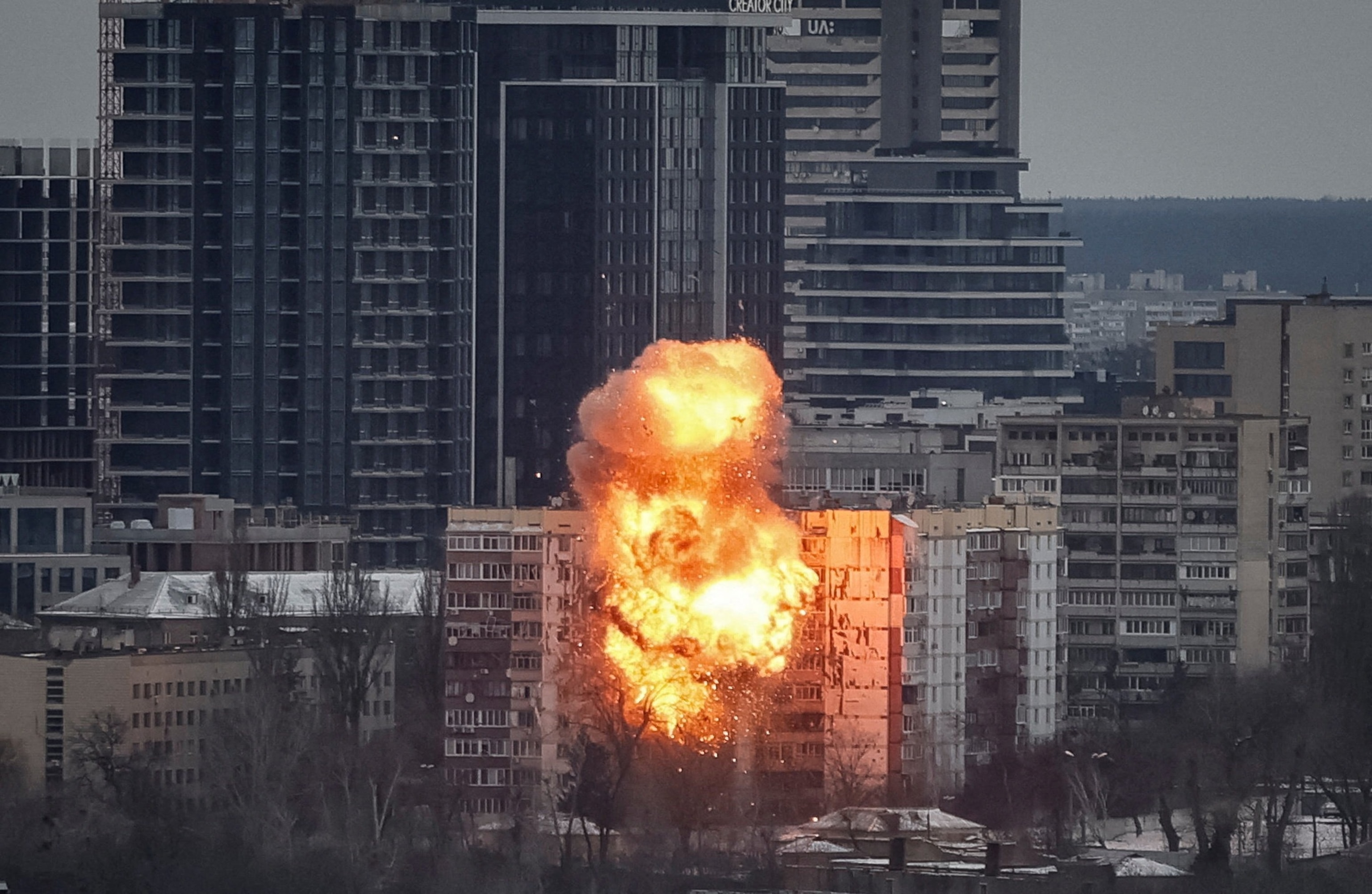
Russian state media has framed the Moscow refinery strike as an isolated incident, with RT reporting that authorities have restored normal operations. Yet, private sector analysts warn that the attack could signal a new phase in Ukraine’s campaign to disrupt Russia’s fuel supply. “If Ukraine can sustain these strikes, they could force Russia to reallocate resources from its military efforts to protecting its energy infrastructure,” said Chatham House energy expert Alexander Goldin.
Meanwhile, Western officials have expressed cautious optimism about Ukraine’s ability to maintain pressure on Russia’s energy sector. A senior U.S. defense official, speaking on condition of anonymity, told The Wall Street Journal that “Ukraine’s strikes on Russian refineries are part of a broader strategy to degrade Moscow’s ability to sustain its war effort. While Russia has deep reserves, repeated hits on critical infrastructure will eventually take a toll.”
What Happens Next? Fuel Shortages, Escalation, or Business as Usual?
The immediate aftermath of the Moscow refinery strike remains unclear, but several scenarios could unfold in the coming days and weeks:
- Short-term fuel disruptions: If the refinery’s production capacity is significantly reduced, Moscow could face localized shortages, particularly in western districts where demand is highest.
- Increased air defense measures: Russia may deploy additional air defense systems around Moscow and other major cities to prevent further strikes on critical infrastructure.
- Escalation in drone warfare: Ukraine may intensify its use of long-range drones, particularly those provided by Western allies, to target deeper into Russian territory.
- Economic fallout: If fuel shortages become widespread, Russia could face higher transportation costs and potential disruptions to industrial production.
The next official update on the situation is expected from the Russian Ministry of Emergency Situations, which has not yet provided a full assessment of the refinery’s damage. Meanwhile, Ukrainian officials are likely to monitor Russia’s response closely, particularly regarding any changes in air defense deployments or fuel rationing measures.
Key Takeaways: What This Attack Reveals About the War’s New Phase
- Shift in Ukrainian strategy: Ukraine is increasingly targeting Russia’s energy sector to undermine its military and economic resilience.
- Vulnerability of Moscow’s infrastructure: Even high-security areas near the Kremlin are not immune to drone strikes.
- Potential fuel shortages: While Russia has denied immediate risks, industry experts warn of possible disruptions.
- Psychological impact: Repeated strikes on civilian infrastructure could erode public confidence in Russia’s ability to defend against attacks.
- Western support for Ukraine: The strikes align with calls from Western allies to degrade Russia’s war-making capacity.
As the situation develops, World Today Journal will continue to monitor updates from both Ukrainian and Russian sources, as well as independent energy and defense analysts. For the latest official statements, readers are advised to follow:
- Kremlin press releases
- UK government updates
- U.S. State Department briefings
- International Energy Agency reports
For now, the Moscow refinery fire serves as a stark reminder of the war’s evolving dynamics—and the high stakes of targeting a nation’s lifeblood: its energy supply.
What do you think about the escalation in Ukraine’s drone strikes? Share your thoughts in the comments below.
Related reading