Russian Strikes Target Turkish Cargo Ship in Odesa, Raising Black Sea Tensions & Complicating peace Efforts
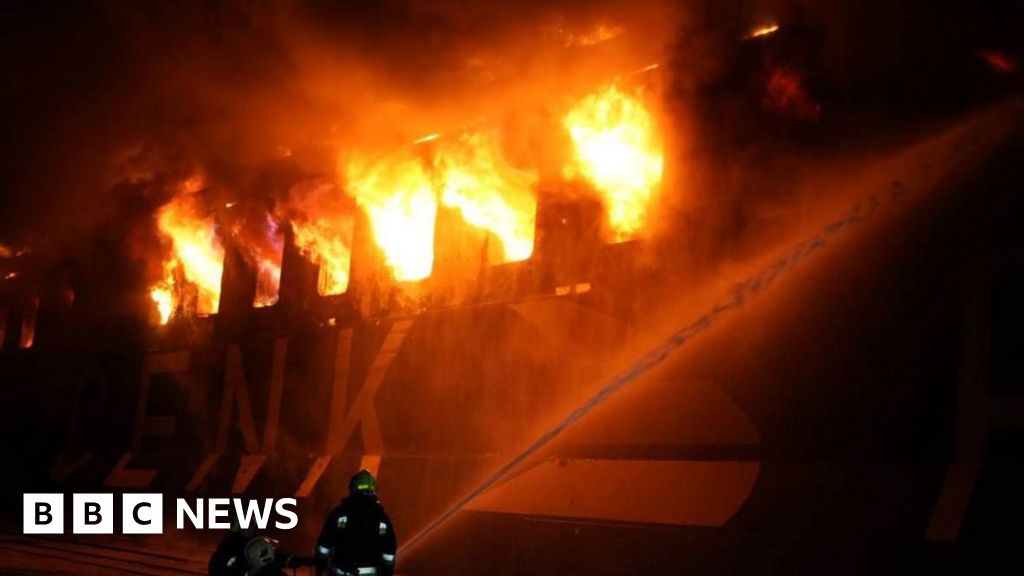
Recent Russian missile strikes on the Ukrainian port city of Odesa have escalated tensions in the Black sea, directly impacting civilian shipping and further complicating already fragile peace negotiations. A Turkish-flagged cargo vessel, reportedly carrying “essential food supplies,” was hit Friday, sparking a fire and prompting emergency response efforts. This incident, coupled wiht continued attacks on port infrastructure, underscores the growing risks to maritime commerce and the urgent need for de-escalation.
What Happened?
On Friday, a russian missile struck a cargo ship operating between Karasu, Turkey, and Odesa, Ukraine. Cenk Denizcilik,the ship’s owner,confirmed the vessel was carrying food supplies at the time of the attack. Fortunately, initial reports indicate no casualties among the crew.
Ukrainian President volodymyr Zelenskyy condemned the attack, asserting the ship had “no military meaning” and directly blaming Moscow for targeting civilian vessels. Video footage shared on Zelenskyy’s Telegram channel shows crews battling a notable blaze onboard.
This attack followed a series of Russian missile strikes on the Odesa region the night prior, which also knocked out electricity for thousands of homes.Later that evening, a second round of strikes damaged port infrastructure, according to regional administrator Oleg Kiper, who emphasized the deliberate targeting of civilian facilities.
Why This Matters: The Broader Context
This incident isn’t isolated. It highlights several critical concerns:
* threat to Food Security: The Black Sea is a vital corridor for Ukrainian grain exports, crucial for global food security.Attacks on port infrastructure and commercial vessels directly threaten these supplies.
* Escalation Risk: Targeting civilian ships, even those flagged by neutral countries like Turkey, significantly raises the risk of wider escalation in the conflict.
* Funding the War: Intelligence suggests Russia is actively targeting vessels potentially involved in exporting oil, a key source of revenue funding its ongoing military operations.
* Turkey’s Position: Turkey, which controls the strategically crucial Bosphorus Strait - a key route for Ukrainian grain and russian oil - is attempting to mediate between the warring parties and maintain relations with both sides. The country’s foreign ministry has called for a guarantee of shipping security and a halt to attacks on energy and port infrastructure.
Diplomatic Efforts Stalled
While the U.S.governance, under President Donald Trump, has been pushing for a negotiated end to the war, progress remains elusive. Both Kyiv and moscow have rejected key elements of the proposed deal.
* Ukraine’s Stance: Ukraine insists on robust security guarantees from the U.S. and Europe before considering any ceasefire or territorial concessions.
* Russia’s Demands: russia continues to demand territorial concessions from Ukraine,a demand Kyiv vehemently resists.
Despite recent reports of slow Russian gains on the ground, especially around the strategic town of Pokrovsk in the Donetsk region, Ukrainian forces are contesting these claims. President Zelenskyy’s recent visit to Kupyansk – a town moscow previously claimed to have captured – serves as a defiant signal of Ukrainian resilience.
What You Need to Know
The situation in the Black Sea is volatile and rapidly evolving. Here’s a swift overview:
* Increased Maritime Risk: Shipping companies are facing heightened risks operating in the Black Sea, potentially leading to increased insurance costs and disruptions to trade.
* Humanitarian Concerns: Attacks on infrastructure exacerbate the humanitarian crisis in Odesa and surrounding regions.
* Geopolitical Implications: The conflict continues to have far-reaching geopolitical implications, impacting global energy markets and international security.
Looking Ahead
The attack on the Turkish cargo ship underscores the urgent need for a diplomatic solution to the conflict. Without a commitment to de-escalation and the protection of civilian shipping,the Black Sea risks becoming increasingly dangerous,with potentially devastating consequences for global trade and food security.
Sources:
* [Original Article Content] (Please replace with the actual URL of the source article)
* associated Press reporting on the conflict in Ukraine.
* Reuters coverage of Black Sea security concerns.
Disclaimer: This article provides analysis based on currently available information and is subject to change as the situation evolves.
Keep reading