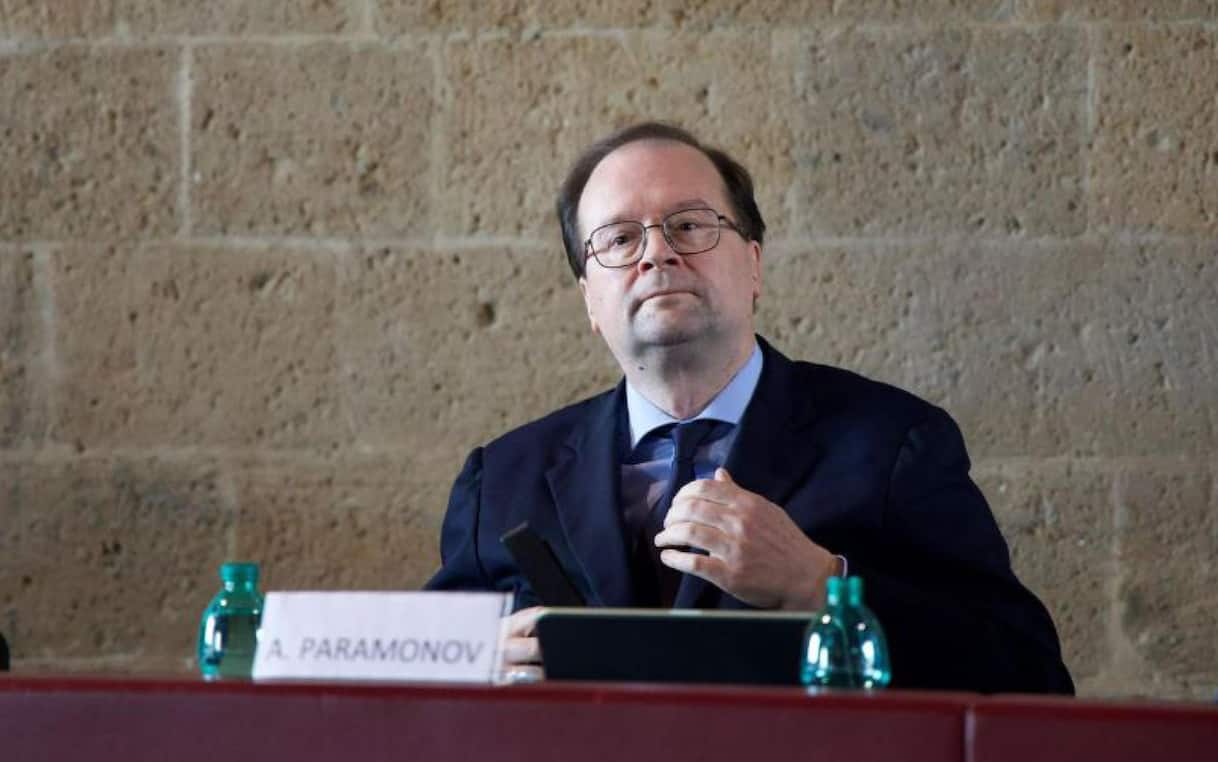
The Russian ambassador to Italy, Alexey Paramonov, has publicly criticized the Italian government, alleging that the Quirinale—the official residence of the President of the Italian Republic—consistently blames Moscow for various international and domestic tensions. In remarks reported by major news agencies, Paramonov characterized the Italian leadership’s stance as rooted in “falsehoods” against Russia, further straining the diplomatic relationship between Rome and Moscow amid the ongoing war in Ukraine.
This diplomatic friction occurs alongside escalating reports of drone-related conflict in the war zone. Ukrainian President Volodymyr Zelenskyy recently claimed that Ukraine’s remote-controlled drone forces have inflicted approximately $40 billion in damages on Russian military and infrastructure assets over the past year. These developments underscore the intensifying nature of the conflict, both on the battlefield and in the arena of international diplomacy, as nations continue to navigate the geopolitical fallout of the Russian invasion, which began in February 2022 according to United Nations records.
Diplomatic Friction Between Rome and Moscow
Ambassador Paramonov’s recent statements highlight a growing chasm in bilateral relations. According to reports from the ANSA news agency, the Russian envoy expressed frustration, suggesting that Italian political circles frequently hold Russia responsible for a wide range of global issues. This rhetoric reflects a broader trend of deteriorating communication between the Kremlin and European capitals since the escalation of the conflict in Ukraine.

The Italian government, under the administration of Prime Minister Giorgia Meloni, has maintained a consistent policy of supporting Ukraine through military and financial aid, in alignment with European Union and NATO mandates. Official data regarding Italy’s support for Ukraine is tracked by the Kiel Institute for the World Economy, which monitors the scale of international assistance provided to Kyiv. The Russian embassy in Rome has frequently used diplomatic channels to protest these actions, leading to the current state of heightened sensitivity between the two nations.
The Economic Scale of Drone Operations
While diplomatic exchanges grow more heated, the tactical situation in Ukraine continues to evolve through the use of unmanned aerial vehicles (UAVs). President Zelenskyy’s assertion that drone operations have caused $40 billion in damages serves as a marker for the increasing reliance on remote-piloted technology in modern warfare. This figure, while significant, remains difficult to independently verify due to the fog of war and the lack of access for international observers in contested Russian territories.
.svg/220px-Subdivisions_of_the_Russian_Empire_by_largest_ethnolinguistic_group_(1897).svg.png "The Economic Scale of Drone Operations")
The use of drones has fundamentally altered the strategic landscape, allowing Ukrainian forces to strike targets deep behind Russian lines. According to the Reuters news agency, these missions often target oil refineries, ammunition depots, and airfields. The efficacy of these strikes has forced the Russian military to reorganize its air defense networks, adding a new layer of complexity to the logistical challenges faced by the Kremlin.
Why the Rhetoric Matters
The exchange between the Russian ambassador and Italian officials is symptomatic of the broader “information war” that parallels the physical conflict. By labeling Western accusations as “falsehoods,” the Russian diplomatic corps aims to influence public opinion within Europe, particularly in countries where support for Ukraine has become a subject of intense political debate.
For the average citizen, these developments signal that the conflict is unlikely to see a diplomatic breakthrough in the near term. The hardening of positions—where the Italian government remains firm in its commitment to the Atlantic alliance and the Russian embassy continues to reject Western narratives—suggests a prolonged period of isolation for Russian diplomats in Rome. Observers often point to the NATO official stance on the war as the primary driver for these diplomatic clashes, as the alliance continues to frame Russian actions as a direct threat to European security architecture.
Looking Ahead
As the conflict enters its next phase, international attention will likely remain fixed on the ongoing reports of drone strikes and the potential for further diplomatic expulsions or sanctions. Official updates regarding the war are regularly published by the U.S. Department of Defense and the European Council, which provide the most reliable data on the status of military aid and sanctions regimes. For those following these events closely, the next significant checkpoint will be the upcoming European Council meetings, where leaders will likely discuss the continuation of aid to Ukraine and the state of relations with Moscow.
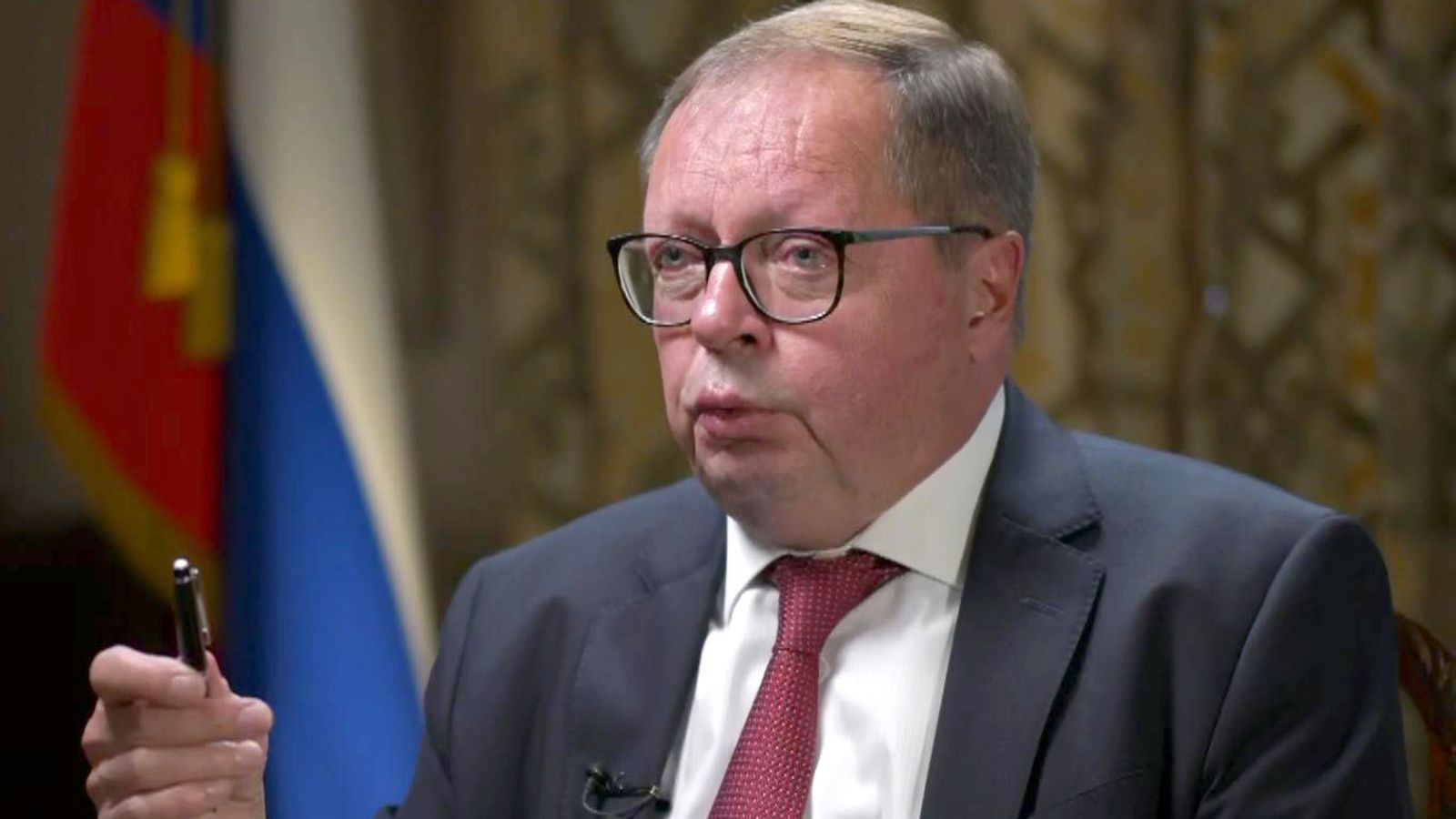
Readers are encouraged to monitor official government portals for verified updates and to participate in the conversation regarding the geopolitical impacts of this ongoing crisis. Your insights and perspectives on these developments are welcome in the comments section below.
Keep reading