Russian Cargo Ship *Ursa Major* Sunk Off Spain: Nuclear Reactors for North Korea or Sabotage?
By Jonathan Reed | Editor, News | May 12, 2026
A Russian cargo ship that sank in mysterious circumstances off the coast of Murcia, Spain, in December 2024 may have been transporting two nuclear submarine reactors—potentially destined for North Korea—and could have been the target of a covert Western military operation, according to new investigative findings.
The sinking of the *Ursa Major*, a 142-meter vessel owned by Russia’s state-linked Oboronlogistics, has remained shrouded in secrecy for 17 months. But recent revelations—including Spanish government statements, crew testimonies, and military flight data—now raise serious questions about whether the ship’s cargo and its fate were tied to a broader geopolitical standoff.
The *Ursa Major* was en route from St. Petersburg to Vladivostok when it suffered a series of explosions on December 23, 2024, before sinking about 62 nautical miles off Murcia. Spanish authorities confirmed that the ship’s Russian captain told investigators it was carrying “components for two nuclear reactors similar to those used in submarines,” though he was unsure whether the reactors were loaded with nuclear fuel. The ship’s crew reported three explosions in the engine room before abandoning vessel.
Possible Sabotage: Western Military Involvement?
While the official cause of the sinking remains unconfirmed, new details suggest the *Ursa Major* may have been targeted. A Russian warship arrived on the scene shortly after the explosions and took control of rescue operations, ordering Spanish vessels to withdraw. A week later, a suspected Russian spy ship visited the wreckage and triggered four additional explosions, according to a source familiar with the Spanish investigation.
Adding to speculation, U.S. Nuclear “sniffer” aircraft have flown twice over the wreckage in the past year, according to public flight data. The Spanish government, under pressure from opposition lawmakers, released a statement on February 23, 2026, confirming the ship’s cargo but providing no further details on the explosions or military activity around the wreck.
Analysts suggest that if the reactors were indeed bound for North Korea—amid Kim Jong Un’s military support for Russia’s invasion of Ukraine—the ship could have been seen as a direct threat to Western non-proliferation efforts. The timing is significant: the *Ursa Major* set sail just two months after North Korea deployed troops to Ukraine.
Who Was on Board? The Ship’s Mysterious Crew
The crew of the *Ursa Major* included at least 15 Russian nationals, according to Spanish maritime records. After the explosions, they were rescued by Spanish authorities, though no injuries were reported. The captain’s testimony—later corroborated by Spanish investigators—revealed the ship’s true purpose: the transport of submarine reactor components, a highly sensitive cargo given its potential military applications.

Spanish officials have not disclosed whether any of the crew members were questioned about the explosions or the ship’s final destination. However, the presence of a Russian warship at the scene—and the subsequent detonations near the wreck—have fueled theories of sabotage.
Geopolitical Implications: A Nuclear Arms Race?
If confirmed, the *Ursa Major* incident would mark a rare and high-stakes intervention in a suspected nuclear proliferation effort. North Korea has long been accused of seeking advanced nuclear technology, and Russia’s alleged role in facilitating such transfers would escalate tensions in an already volatile region.
Western intelligence agencies have previously warned about Russia’s efforts to bypass sanctions by shipping dual-use technology to allied regimes. The *Ursa Major* case, if linked to North Korea, could represent a direct challenge to global non-proliferation agreements.
Meanwhile, Spain’s government has faced criticism for its lack of transparency. Opposition lawmakers have demanded a full investigation, arguing that the sinking may have violated international maritime law. The Spanish Coast Guard’s initial response—dispatching a helicopter, tugboat, and fast rescue vessel—was abruptly halted when the Russian warship arrived, raising further questions about the circumstances.
What Happens Next?
The Spanish government has not confirmed whether it will pursue further inquiries into the sinking. However, with Western military activity near the wreckage and ongoing speculation about the ship’s cargo, pressure is mounting for a transparent investigation.
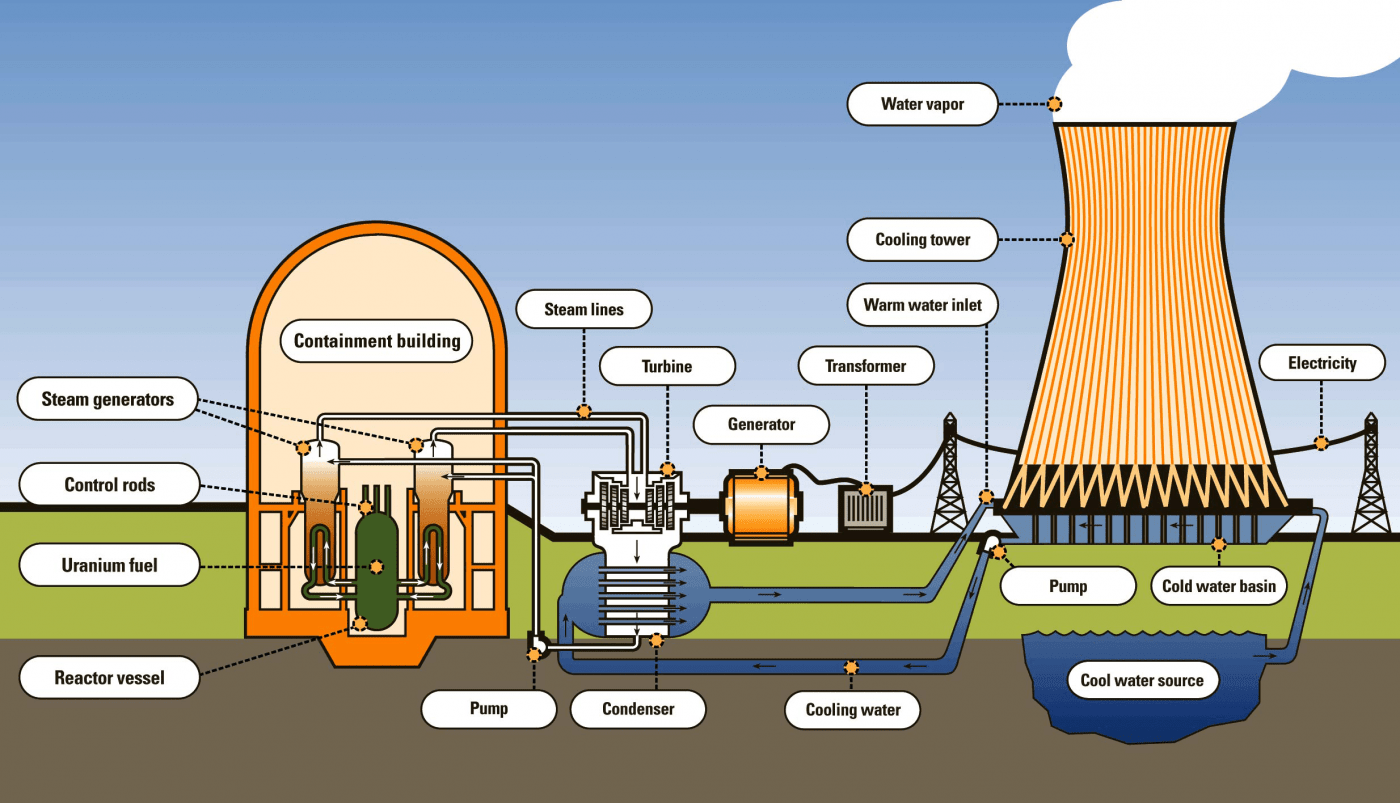
For now, the *Ursa Major* remains at the bottom of the Mediterranean, its secrets buried beneath the waves. But the questions it leaves behind—about nuclear proliferation, covert military operations, and the future of global security—are far from settled.
Key Takeaways
- The *Ursa Major* sank off Murcia, Spain, in December 2024, carrying suspected nuclear submarine reactor components.
- Spanish authorities confirmed the cargo but have not disclosed the cause of the explosions that led to the sinking.
- Western military aircraft have monitored the wreckage, and a Russian warship triggered additional explosions near the site.
- The ship’s route and cargo raise concerns about Russia’s potential role in nuclear proliferation to North Korea.
- Spain’s government has faced criticism for its lack of transparency in the investigation.
For the latest updates, monitor official statements from the Spanish Ministry of Defense and the International Atomic Energy Agency (IAEA).
What do you think about this case? Share your insights in the comments below.
Related reading
- Boris Johnson Urges Massive Ukrainian Mobilization in Call with Russian Pranksters
- Jokowi Targets Big Win in 2029 for PSI, Receives Warm Welcome and Traditional Title in NTT
- South Korea Expands Diplomatic and Economic Horizons Through Argentina Summit (world-today-news.com)
- Russian Missile and Drone Attack on Kyiv Kills Three Civilians (archyde.com)