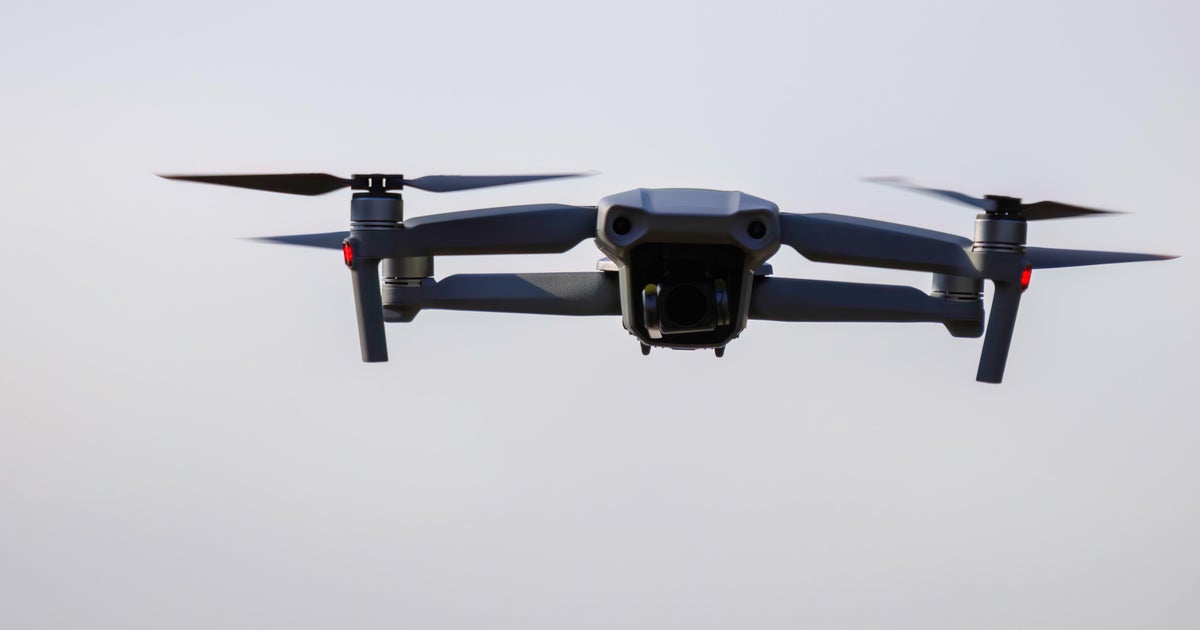
In a significant escalation of regional tensions, Romanian authorities have reported that a Russian drone struck an apartment building, leaving at least two individuals wounded. The incident has prompted an immediate investigation by local security forces and has drawn urgent attention to the ongoing security challenges facing North Atlantic Treaty Organization (NATO) member states along the alliance’s eastern flank.
As the conflict in neighboring Ukraine continues to evolve, the impact of cross-border aerial activity remains a primary concern for regional stability. The Government of Romania has maintained a high level of vigilance, coordinating closely with international partners to assess the trajectory and origin of the unmanned aerial vehicle (UAV) involved in the strike. This event marks a critical point of concern for residents in the border regions, who have faced increasing uncertainty due to the proximity of persistent military hostilities.
Security Implications for NATO’s Eastern Flank
The situation in Romania is being monitored by the broader international community, particularly as the country serves as a vital strategic partner within the NATO alliance. The alliance’s commitment to the security of its members is governed by the North Atlantic Treaty, which emphasizes collective defense. According to official briefings from the North Atlantic Treaty Organization, the alliance maintains a robust presence in the region to deter aggression and ensure the integrity of member state borders.
For those living in the affected areas, the immediate aftermath involves not only physical safety but also the psychological strain of living near an active war zone. Local officials are currently providing support to the two wounded individuals and have initiated damage assessments for the impacted residential infrastructure. The use of drones in this capacity highlights the technical challenges of modern border security, where small-scale incursions can have immediate, localized impacts on civilian populations.
Understanding the Regional Risk Landscape
The incident involving the Russian drone strike on a Romanian apartment building has reignited discussions regarding the necessity of enhanced air defense capabilities. While diplomatic channels remain active, the practical reality for border communities is a heightened state of alert. The Ministry of Foreign Affairs of Romania continues to provide updates as investigations progress, ensuring that international stakeholders are informed of developments in real-time.
Experts in regional security suggest that the complexity of the current geopolitical environment requires a multi-faceted approach to national defense. This includes:
- Increased surveillance and reconnaissance along the border to track aerial movements.
- Enhanced cooperation between national intelligence services and allied military command centers.
- Clear communication protocols to keep the civilian population informed of safety measures and evacuation procedures where necessary.
What Happens Next: Official Updates and Safety
As the investigation into the debris and flight path of the drone continues, Romanian authorities have urged the public to rely exclusively on official channels for information. Rumors and unverified reports can often exacerbate anxiety during periods of heightened military activity. The Department for Emergency Situations remains the primary point of contact for safety advisories and updates regarding civilian protection measures.

Future actions regarding this incident are expected to be addressed through diplomatic consultations and, if necessary, formal reports to international governing bodies. The international community, including observers from the European Union, is watching the situation closely to determine if further measures are required to secure the border region. Residents are encouraged to monitor local government websites for the most accurate, real-time guidance on emergency protocols.
We will continue to provide updates as new, verified information becomes available from official government sources. If you have questions or would like to share your perspective on the security situation in the region, please feel free to contribute to the discussion in the comments section below.
Worth a look