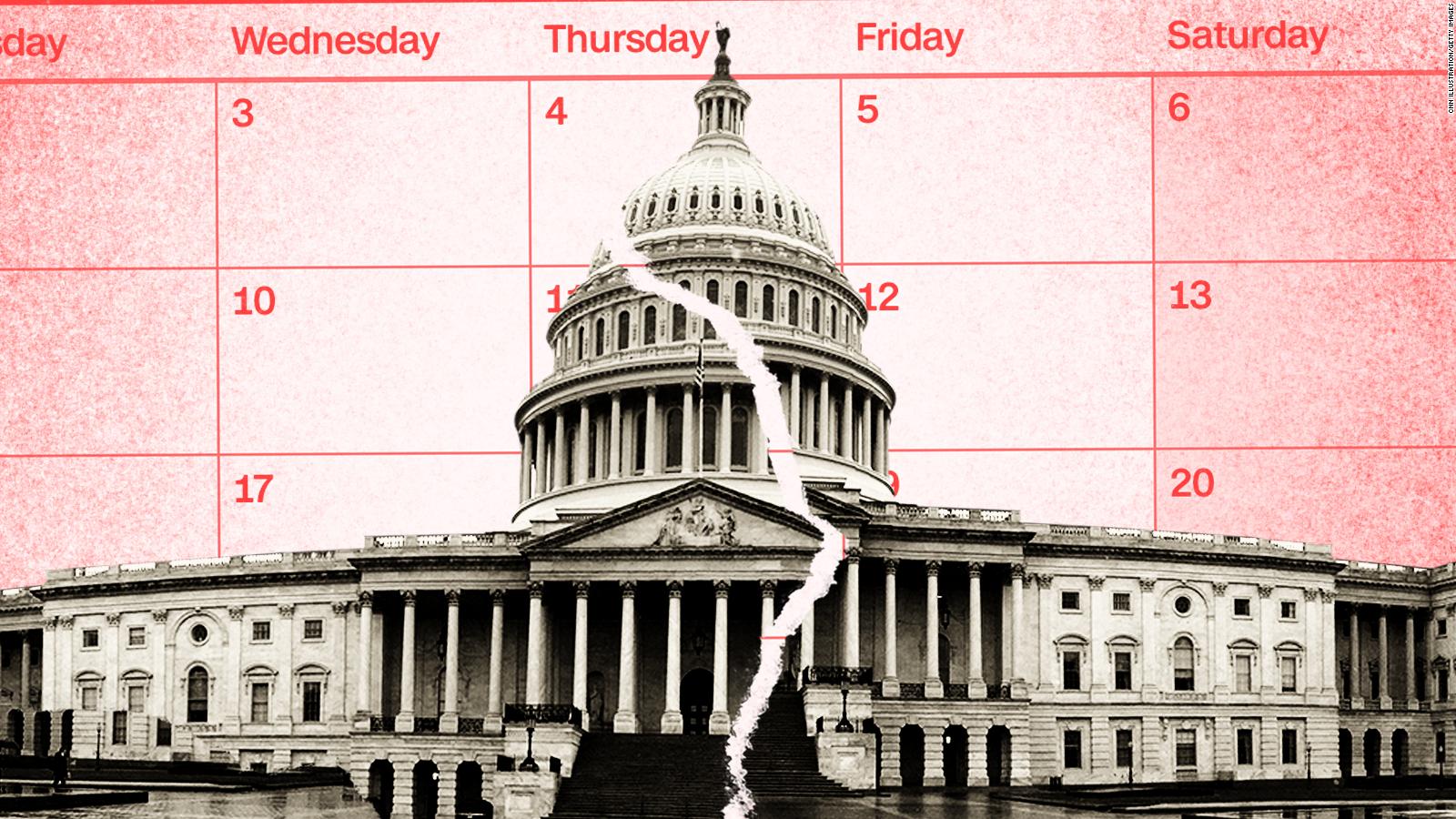
The conclusion of the first half of the 22nd National Assembly in South Korea has arrived against a backdrop of intensifying political gridlock. As the legislative body transitions into its next phase, concerns regarding a prolonged period of inactivity are mounting, driven by the persistent friction between the ruling People Power Party (PPP) and the opposition Democratic Party of Korea (DPK). This legislative impasse, characterized by a recurring cycle of parliamentary maneuvering, continues to cast a shadow over the nation’s policy-making agenda.
For observers of South Korean economic policy and global market stability, this period of parliamentary tension is more than a domestic political skirmish; it represents a significant hurdle for fiscal governance. The 22nd National Assembly, which officially commenced its four-year term on May 30, 2024, has struggled to find a collaborative rhythm, with the National Assembly’s standing committee assignments and broader organizational structures becoming the primary battleground for partisan disagreement.
The Mechanics of Legislative Gridlock
The current parliamentary dynamic is frequently described by analysts as a repetitive loop of procedural obstruction. At the heart of this friction is the frequent use of the filibuster—a parliamentary tactic utilized by the opposition to stall the passage of controversial bills—followed by the ruling party’s subsequent move to force a vote to conclude the debate. Under the National Assembly Act, once a filibuster is initiated, it can be terminated by a motion supported by a three-fifths majority of the registered members, a threshold that necessitates high levels of inter-party cooperation that have remained elusive.
This cycle of “bill submission, filibuster, and termination vote” has effectively slowed the legislative pace, leaving several critical economic reforms and budget discussions in a state of flux. For investors and international stakeholders, the primary concern is not merely the delay, but the uncertainty regarding when the legislative branch will return to a functioning consensus. The inability to finalize committee chairs and operational guidelines has historically led to a “legislative vacuum,” where the government’s ability to respond to shifting global economic conditions is significantly hampered.
Economic Policy in the Shadow of Stagnation
With my background in economic analysis, I have closely monitored how domestic political stability acts as a prerequisite for sovereign credit ratings and foreign direct investment. When the National Assembly remains deadlocked, the legislative oversight of the national budget—which must be reviewed and approved annually—becomes susceptible to delays. The Ministry of Economy and Finance, which oversees the nation’s fiscal roadmap, relies on a predictable legislative calendar to implement tax adjustments and infrastructure spending. Without a stable working relationship between the ruling and opposition blocs, the execution of these plans faces substantial, and often unnecessary, risks.
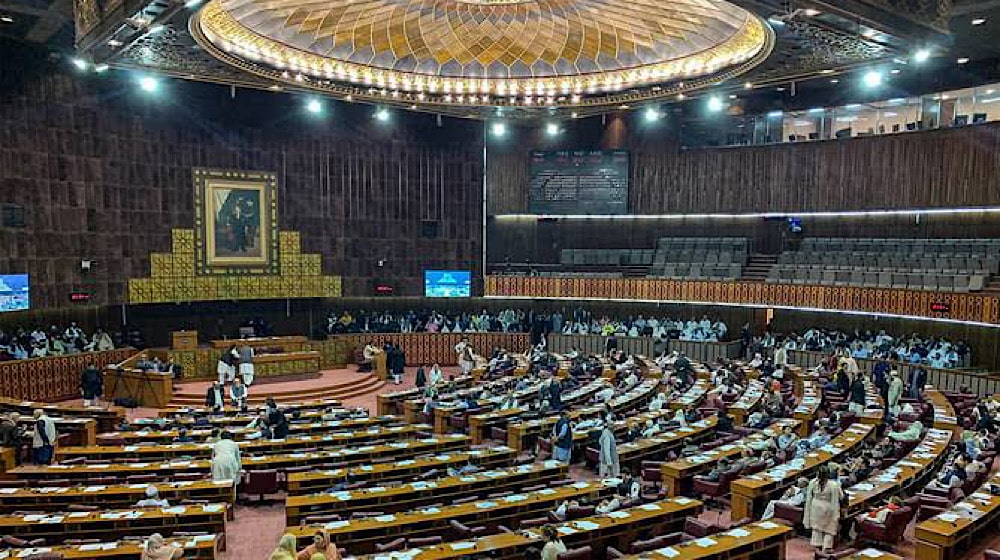
the current environment has reignited debates regarding the efficacy of the National Assembly Act. Critics argue that the current rules, intended to protect minority rights through the filibuster, are being weaponized to the detriment of national governance. Conversely, proponents of the current system emphasize that these mechanisms are vital to prevent the “tyranny of the majority” in a polarized political climate. Regardless of the philosophical stance, the practical result is a measurable decline in legislative throughput.
Looking Ahead: The Path to Normalization
As we move past the halfway point of the initial session, the focus shifts to whether leadership on both sides can find common ground to break the stalemate. The appointment of committee chairs and the formalization of the National Assembly’s operating schedule are the immediate benchmarks for progress. Any failure to reach these milestones in the coming weeks will likely confirm market fears of a long-term “policy gap.”
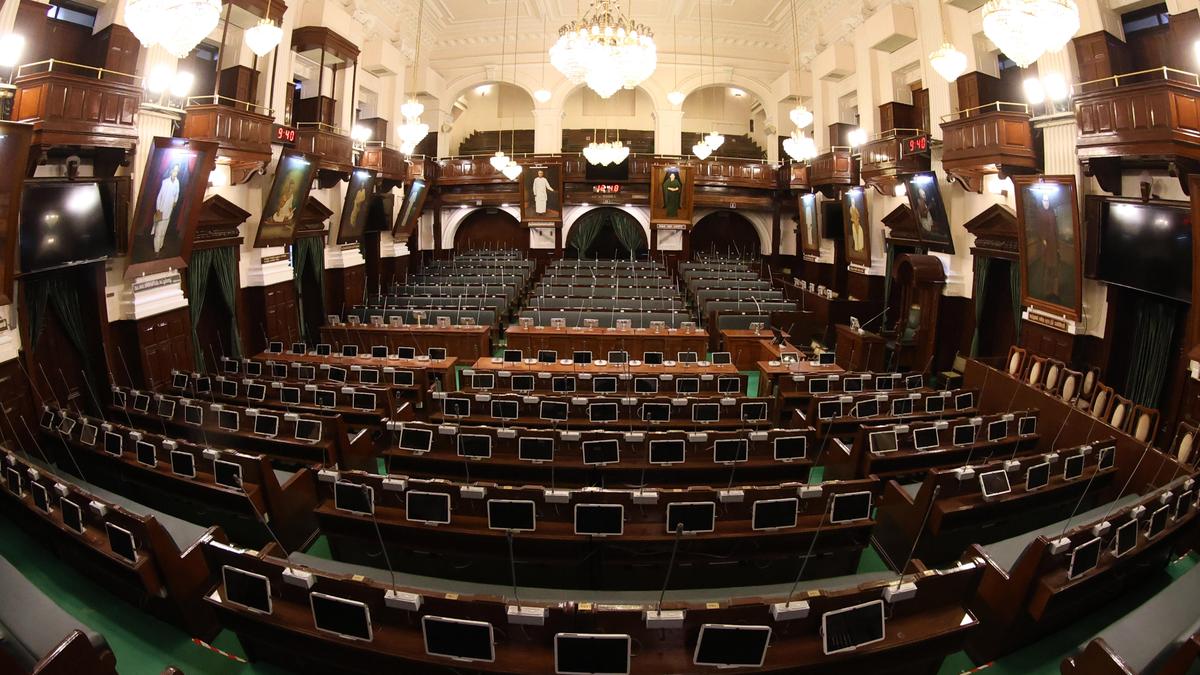
The next major checkpoint for the 22nd National Assembly will be the upcoming plenary session, where party floor leaders are expected to negotiate the remaining committee assignments. These negotiations are typically held behind closed doors, but their outcomes will be reflected in the official records published by the National Assembly Secretariat. Should these talks stall, we may see an increased reliance on presidential executive orders to bypass the legislative bottleneck, a move that would likely invite further legal challenges and exacerbate the current climate of distrust.
At World Today Journal, we remain committed to tracking these developments with the rigor they deserve. The functionality of the National Assembly is not just a matter of parliamentary procedure; it is the bedrock of South Korea’s economic trajectory on the global stage. We invite our readers to share their perspectives on this situation in the comments section below, as we continue to provide updates on this evolving story.
For those tracking official parliamentary filings and the latest list of proposed legislation, the National Assembly of the Republic of Korea’s official portal provides real-time access to meeting minutes and session schedules. We will continue to update this page as new information becomes available regarding the resolution of the current organizational impasse.
Worth a look