
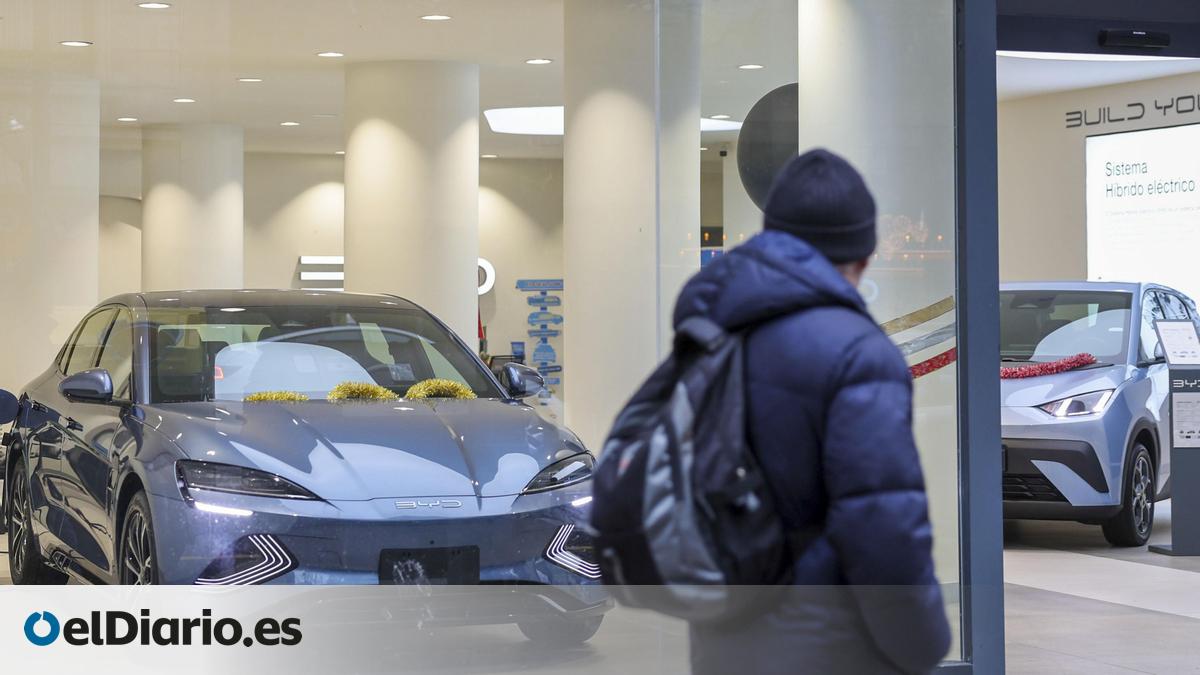
The European automotive landscape is undergoing a profound structural shift as Chinese manufacturers accelerate their expansion, capturing a significant portion of the market and challenging long-standing industry leaders. Recent data from the European Automobile Manufacturers’ Association (ACEA) indicates that Chinese automotive groups registered more than 300,000 vehicles in the European market between January and April of this year. This surge has granted these manufacturers a combined market share of nearly 10%, effectively outpacing legacy brands such as Ford and Nissan in several key segments.
This rapid ascent is intrinsically linked to the continent’s transition toward electrification. As demand for electric and hybrid vehicles continues to climb, Chinese firms have leveraged their established supply chains and technological maturity to secure a competitive foothold. While traditional internal combustion engine vehicles—specifically petrol and diesel models—have seen a decline in market share, the broader electrified category, which includes battery-electric vehicles (BEVs), plug-in hybrids (PHEVs), and conventional hybrids, has seen growth of approximately 21% year-to-date, now accounting for more than two-thirds of new registrations according to the latest ACEA market reports.
A Competitive Reconfiguration
The influx of new entrants is redrawing the competitive map, forcing established European and international manufacturers to recalibrate their strategies. In April alone, total vehicle registrations across the European Union, the United Kingdom, and the European Free Trade Association (EFTA) rose by 7%, reaching 1.15 million units. While market leaders like Volkswagen and Stellantis have maintained growth, reporting increases of 3.5% and 6.7% respectively, the momentum behind Chinese brands is demonstrably sharper.

BYD has emerged as a particularly formidable force, having more than doubled its European sales with a 153% increase, totaling nearly 72,000 vehicles through April. Meanwhile, Geely remains the largest Chinese group by volume in the region with 96,551 cumulative registrations, though it has faced slight pressure on its overall market share, which now stands at 2.5%. SAIC, the parent company of the MG brand, follows closely with over 77,000 units sold, marking a 10.4% year-on-year increase.
Industrial Integration and Future Outlook
The strategy of these manufacturers is evolving from simple importation to deeper industrial integration. A primary example is Chery, which has significantly expanded its footprint by more than 300% through brands such as Omoda and Jaecoo. The company’s move to establish production facilities in Barcelona, utilizing the site formerly operated by Nissan, underscores a commitment to long-term presence within the European industrial ecosystem rather than acting solely as an exporter.
Industry analysts note that this shift is driven by a combination of factors, including the need to diversify beyond a saturated domestic market in China and the ability to offer competitive pricing on electrified models. As European manufacturers grapple with the challenge of maintaining margins while transitioning to electric-only lineups, the rapid commercial agility of Chinese brands continues to disrupt established hierarchies.
Key Market Observations
- Electrification Pivot: Nearly two-thirds of all new vehicle registrations in the EU now consist of electrified models, providing a clear window of opportunity for manufacturers with specialized EV portfolios.
- Market Dynamics: While legacy giants like Renault have seen a 3.6% contraction in sales, new entrants are consistently outperforming market averages through aggressive growth phases.
- Localization Efforts: The transition from importing vehicles to local production, as seen with initiatives in Spain, signals a transition toward becoming permanent fixtures in the European automotive sector.
Looking ahead, the European market remains volatile as regulatory frameworks regarding emissions and trade tariffs continue to evolve. The ACEA is scheduled to release further comprehensive registration updates in the coming months, which will provide additional clarity on whether the current growth trajectory for Chinese brands will sustain its pace through the second half of 2026. As the industry moves toward its 2030 sustainability targets, the role of these new market players will undoubtedly remain a central focus for policymakers and consumers alike.

We invite our readers to share their perspectives on this shift in the European automotive sector. How do you view the impact of these new manufacturers on local industry and consumer choice? Join the conversation in the comments section below.