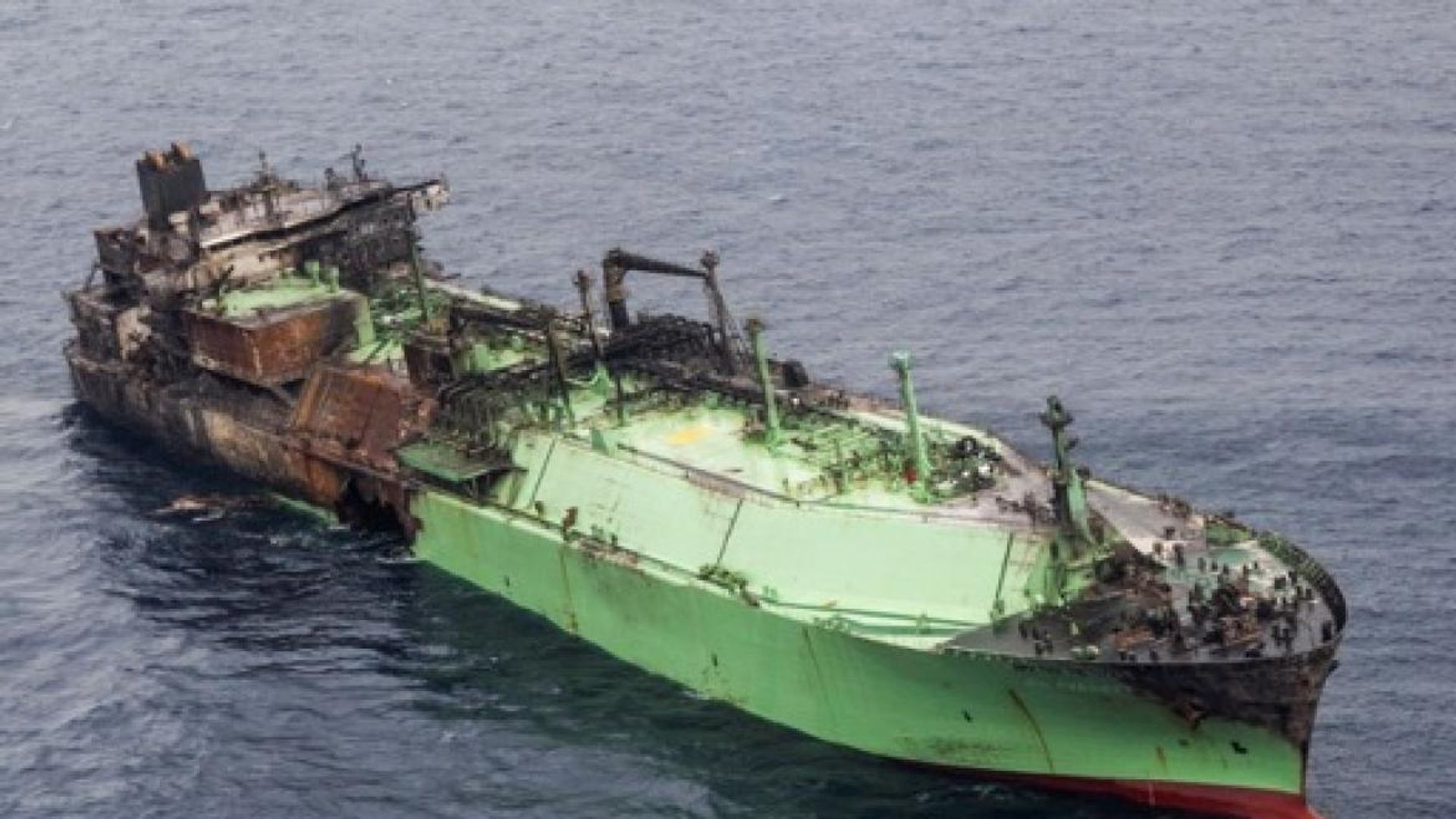
The Mediterranean Sea is facing a growing environmental threat as the Russian-flagged fuel tanker, Arctic Metagaz, continues to drift, unmanned and potentially unstable, after several weeks at sea. Originally reported to be adrift following an incident off the coast of Libya, the vessel poses a significant risk of a major ecological disaster should its cargo of naphtha and other fuels be released into the marine environment. Concerns are escalating among Mediterranean nations, with authorities scrambling to assess the potential impact and formulate a response plan.
The situation surrounding the Arctic Metagaz is complicated by its history and the broader context of sanctions against Russia. The tanker is part of a fleet of vessels, often referred to as a “shadow fleet,” that have been operating with limited transparency, potentially to circumvent international sanctions imposed following Russia’s invasion of Ukraine. This lack of oversight raises questions about the vessel’s maintenance, crew training, and adherence to safety protocols, all of which contribute to the heightened risk it presents.
A Drifting Hazard: The Current Situation
The Arctic Metagaz, built in 2009, is approximately 259 meters (850 feet) long and has a capacity of around 158,000 cubic meters. Its current position, as of March 17, 2026, is a subject of ongoing monitoring, but reports indicate This proves drifting in the central Mediterranean, relatively close to the Italian islands. CNN reports the vessel is described as a “ticking time bomb.” The lack of crew onboard means there is no one to address potential mechanical failures or prevent a spill. The tanker’s engine failure is believed to be the cause of its drift, but the exact circumstances remain unclear.
The primary concern is the potential for a large-scale oil spill. Naphtha, a highly flammable and volatile liquid, is particularly dangerous. A spill would not only devastate marine ecosystems, impacting fish populations, seabirds, and coastal habitats, but also pose a threat to human health and economic activities such as tourism and fishing. ABC News highlights the risk of a “major ecological disaster.”
International Response and Concerns
Several Mediterranean nations have expressed serious concerns about the drifting tanker. Italy, Malta, and Greece are among the countries most immediately threatened by a potential spill. Reuters reports that Mediterranean states consider the situation an “imminent and serious” threat. These countries are coordinating efforts to monitor the vessel’s movements and prepare for potential intervention. However, the lack of a clear legal framework for dealing with a derelict vessel in international waters complicates the response.
The World Wildlife Fund (WWF) has also voiced its concerns, emphasizing the potential impact on sensitive marine ecosystems. Mer et Marine details the WWF’s anxieties regarding a potential oil spill. The organization is calling for urgent action to secure the vessel and prevent further environmental damage.
The “Shadow Fleet” and Sanctions Evasion
The Arctic Metagaz is not an isolated case. It is part of a larger network of tankers, often referred to as the “shadow fleet,” that have emerged in recent years, particularly following the imposition of sanctions on Russia. These vessels are frequently older, poorly maintained, and operate with limited transparency, raising concerns about their safety and environmental compliance. Le Point reports on the challenges posed by this “shadow fleet” to the Maghreb region.
The purpose of these fleets is widely believed to be the circumvention of sanctions, allowing Russia to continue exporting oil and gas despite restrictions imposed by Western countries. By obscuring ownership and operating through complex networks, these vessels make it difficult to track the origin and destination of Russian energy shipments. This lack of transparency not only undermines the effectiveness of sanctions but also creates significant environmental risks, as vessels may cut corners on safety and maintenance to maximize profits.
Legal and Operational Challenges
Addressing the situation with the Arctic Metagaz presents significant legal and operational challenges. The vessel is currently drifting in international waters, meaning no single country has direct jurisdiction. International maritime law provides some guidance on dealing with derelict vessels, but the process can be unhurried and complex, requiring coordination among multiple nations.
the potential cost of salvaging the vessel or containing a spill is substantial. The responsibility for these costs is also unclear, as the ownership structure of the Arctic Metagaz is reportedly opaque. You’ll see reports that the vessel is linked to individuals and entities subject to sanctions, further complicating the legal landscape. Le Figaro details how the tanker was previously attacked off the coast of Libya.
What Happens Next?
The immediate priority is to secure the Arctic Metagaz and prevent a spill. Authorities are exploring various options, including towing the vessel to a safe location or attempting to stabilize it in place. However, these operations are risky and require specialized equipment and expertise. The situation remains fluid, and the outcome is uncertain. The next official update is expected from the Italian Coast Guard within the next 48 hours, as they continue to assess the vessel’s condition and coordinate with other Mediterranean nations.
The incident with the Arctic Metagaz serves as a stark reminder of the environmental risks associated with the “shadow fleet” and the challenges of enforcing sanctions in the maritime domain. It underscores the need for greater transparency in the shipping industry and stronger international cooperation to prevent future incidents. The potential for a major ecological disaster in the Mediterranean Sea is real, and the world is watching closely as authorities attempt to avert a catastrophe.
What are your thoughts on the situation? Share your comments below and help spread awareness about this critical environmental issue.
Worth a look