Strike Deep Inside Russia Targets Key Missile Production Facility
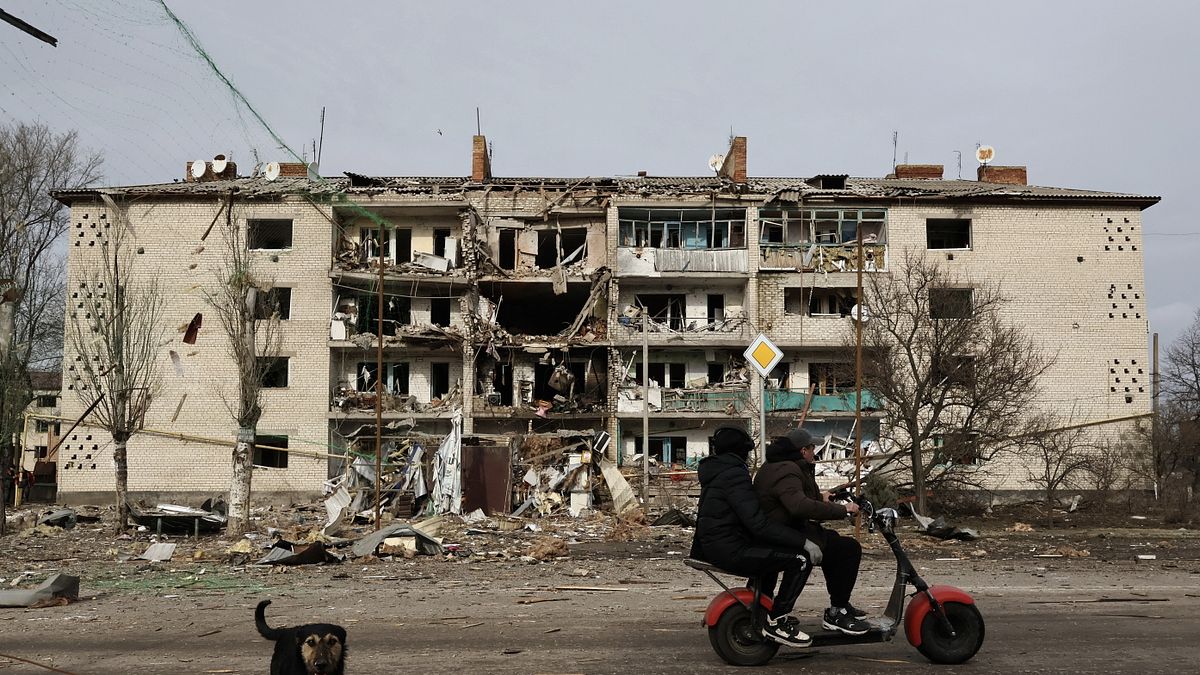
Votkinsk Plant in Udmurtia, Russia, a major producer of Iskander-M missiles and other strategic weapons systems, was struck in an overnight attack, regional authorities confirmed on February 21, 2026. The strike, reportedly carried out by drones, has led to damage at the facility and temporary suspensions of flights at Izhevsk airport, raising questions about the escalating reach of the conflict and the vulnerability of Russia’s defense industrial base. This incident underscores the growing complexities of the geopolitical landscape and the potential for further escalation.
Governor of Udmurtia, Alexander Brechalov, confirmed the attack, stating that “one of the facilities in the republic was attacked by drones from the Kyiv regime.” He added, according to reports, that operational data indicated damage, and casualties. While details remain limited and access to the site is restricted, initial reports suggest that workshops No. 22 and No. 36 were affected. The Votkinsk Plant’s significance lies in its production of not only Iskander-M missiles, but likewise Topol-M and Oreshnik systems, making it a critical component of Russia’s strategic arsenal.
What is the Votkinsk Plant and Why is it Important?
The Votkinsk Plant, officially known as Joint Stock Company Votkinskiy Zavod, is a key enterprise within Russia’s defense industry. It specializes in the development and production of rocket engines for a variety of missile systems, including intercontinental ballistic missiles. As reported by the Kyiv Post, the plant is currently under sanctions imposed by the United States, the United Kingdom, the European Union, Switzerland, Australia, Japan, and Ukraine, reflecting international concerns about its role in bolstering Russia’s military capabilities. The plant’s location in Udmurtia, approximately 1,500 kilometers from the Ukrainian border, highlights the increasing range of attacks within Russian territory.
The Iskander-M missile system, a primary product of the Votkinsk Plant, is a short-range ballistic missile known for its maneuverability and precision. It poses a significant threat due to its ability to evade conventional defense systems. The Topol-M is a Russian intercontinental ballistic missile, and the Oreshnik is another missile system produced at the facility. The plant’s capacity to produce these diverse systems underscores its strategic importance to Russia’s military posture.
Reports of the Attack and Initial Damage Assessments
Initial reports of the attack surfaced on Telegram channels, including Astra and Baza, which indicated that the strike occurred during an evening attack. MSN News reported that open-source intelligence (OSINT) analysts have been analyzing videos circulating online, purportedly showing the aftermath of the strike. Video footage, reportedly filmed approximately 500 meters from the fire’s epicenter, appears to corroborate claims of damage to the facility.
Russia’s aviation authority, Rosaviatsia, announced temporary suspensions at several airports, including Izhevsk airport, the regional capital of Udmurtia, citing safety concerns. Some reports suggest the plant was potentially targeted by Ukrainian Flamingo cruise missiles, although this remains unconfirmed. The suspension of flights indicates the potential for wider disruption and the need for thorough safety assessments following the attack.
International Response and Implications
The attack on the Votkinsk Plant has drawn international attention, raising concerns about the potential for escalation and the broadening scope of the conflict. While official statements from Western governments have been measured, the incident is likely to fuel further debate about the provision of military aid to Ukraine and the appropriate response to Russian aggression. The fact that the plant is subject to existing sanctions adds another layer of complexity to the international response.
The strike also highlights the vulnerability of Russia’s defense industrial base, despite efforts to enhance security measures. The ability to strike a facility located deep within Russian territory demonstrates a growing capability to target strategic assets, potentially impacting Russia’s ability to sustain its military operations. The long-range nature of the attack, reportedly utilizing drones, suggests advancements in Ukrainian military technology and tactics.
Flamingo Missiles and the Evolving Nature of Warfare
Reports suggesting the use of Ukrainian Flamingo cruise missiles in the attack, if confirmed, would signify a significant development in the conflict. According to Charter 97, OSINT analysts believe the strike was carried out using these missiles. The Flamingo missile system is a Ukrainian-designed cruise missile with a reported range capable of reaching targets within Russia. The use of such systems underscores the evolving nature of warfare, with a growing emphasis on precision strikes and long-range capabilities.
The development and deployment of cruise missiles like the Flamingo represent a significant investment in Ukrainian defense technology. These systems allow Ukraine to target strategic assets within Russia, potentially disrupting military production and logistics. However, the use of such weapons also carries risks, including the potential for escalation and retaliation.
Looking Ahead: Potential for Further Strikes and Escalation
The attack on the Votkinsk Plant is likely to prompt Russia to reassess its air defense capabilities and security measures at strategic facilities. It also raises the possibility of retaliatory strikes against Ukrainian targets. The situation remains fluid and unpredictable, with the potential for further escalation. The international community will be closely monitoring developments and seeking ways to de-escalate tensions.
The coming days and weeks will be crucial in determining the trajectory of the conflict. Further attacks on Russian territory, particularly those targeting defense industrial facilities, could lead to a significant escalation. Diplomatic efforts to find a peaceful resolution will be more important than ever. The focus will likely be on securing commitments to de-escalation and establishing a framework for negotiations.
The next official update is expected from the Russian Ministry of Defense regarding the extent of the damage and any casualties resulting from the attack. Further analysis from OSINT sources will also be closely watched for additional details and insights. The international community awaits a comprehensive assessment of the situation and a clear indication of the path forward.
What are your thoughts on this developing situation? Share your comments below and let us know what you think. Don’t forget to share this article with your network to maintain others informed.
Keep reading