
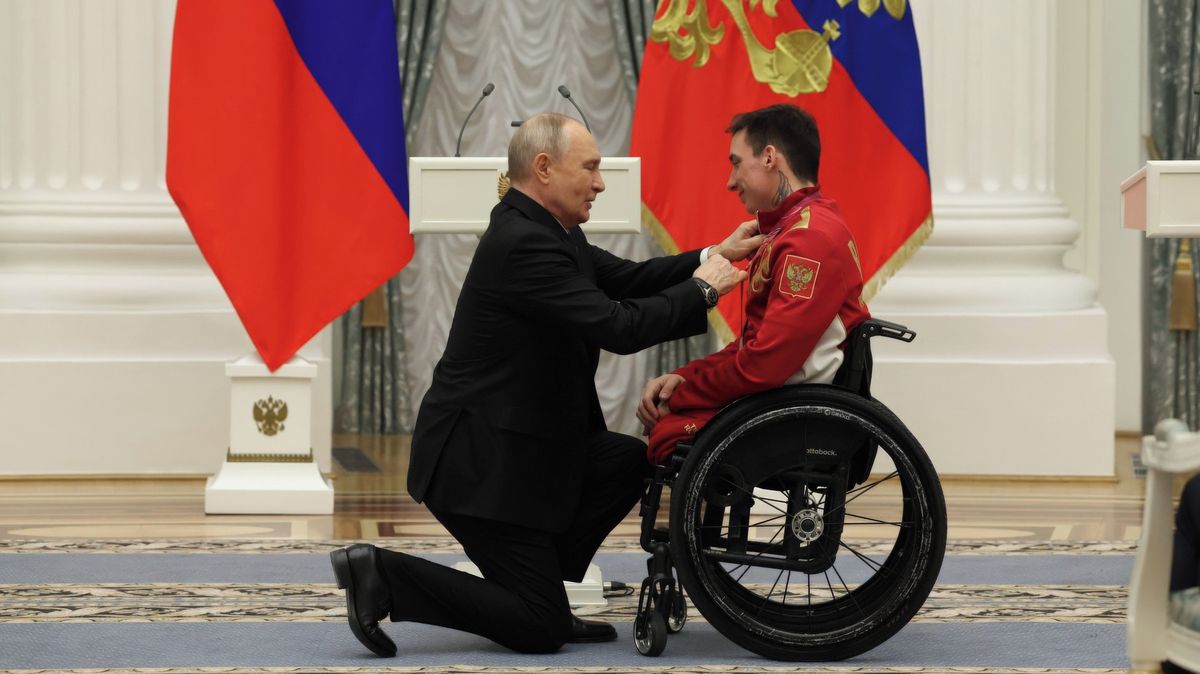
The world of sports, often lauded for its unifying power and adherence to fair play, is increasingly becoming a battleground for political maneuvering and nationalistic displays. Recent developments suggest a concerted effort by Russia to reassert its presence on the international sporting stage, despite ongoing scrutiny and sanctions related to the conflict in Ukraine. This push, however, is accompanied by accusations of disinformation and provocation, raising questions about the integrity of competition and the future of international sports governance. The situation is complex, with implications extending far beyond the playing field.
The core issue revolves around Russia’s attempts to circumvent bans imposed by various sporting bodies following the invasion of Ukraine in February 2022. These bans, initially intended to hold Russia accountable for its actions, have been met with resistance and attempts to locate loopholes. While direct national team participation remains largely prohibited, individual Russian and Belarusian athletes have been permitted to compete under neutral flags in some events, a compromise that has sparked considerable debate. The International Olympic Committee (IOC) has been at the center of this controversy, facing criticism from both sides of the issue.
The controversy isn’t simply about participation; it’s about the narratives surrounding it. Reports suggest a deliberate campaign by Russian state media and officials to discredit opponents, spread misinformation, and portray Russia as a victim of political persecution. This strategy aims to garner domestic support and undermine international efforts to isolate the country. The accusations range from spreading false claims about the reasons for bans to actively lobbying against sanctions and attempting to influence sporting decisions through unofficial channels.
The IOC’s Balancing Act and the Neutral Athlete Debate
The IOC’s decision to allow individual athletes from Russia and Belarus to compete as neutrals has been particularly contentious. The rationale behind this approach, as articulated by the IOC, is to avoid collective punishment and uphold the principle of political neutrality in sport. However, critics argue that this distinction is artificial and that allowing Russian and Belarusian athletes to participate, even under a neutral flag, legitimizes a regime accused of widespread human rights abuses and aggression. Reuters reported in October 2023 that neutral athletes from Russia and Belarus could qualify for the Paris Olympics, a decision that drew immediate condemnation from several national Olympic committees.


The conditions for neutral participation are stringent, requiring athletes to not have actively supported the war in Ukraine and to pass rigorous vetting processes. However, concerns remain about the effectiveness of these checks and the potential for athletes with close ties to the Russian military or security services to slip through the cracks. The particularly notion of “neutrality” is questioned, as these athletes inevitably represent their national identities and benefit from state-sponsored training programs.
The debate extends to the question of whether the presence of neutral athletes diminishes the significance of the competition. Opponents argue that it creates an uneven playing field and undermines the spirit of fair play. They point to the potential for subtle forms of support or pressure from the Russian government, even if athletes are not explicitly representing their country. The Ukrainian government has been particularly vocal in its opposition, urging international sporting bodies to maintain a complete ban on Russian and Belarusian participation.
Disinformation and Provocation: A Pattern of Behavior
Beyond the issue of athlete participation, there are growing concerns about a broader pattern of disinformation and provocation emanating from Russia. This includes the dissemination of false narratives about the reasons for sanctions, the manipulation of social media to amplify pro-Russian voices, and the targeting of athletes and officials who have spoken out against the war. NBC News detailed in March 2022 how Russia has employed a sophisticated disinformation campaign to shape public opinion about the conflict in Ukraine, extending to the sporting world.
One example of this provocation involves the deliberate targeting of athletes who have publicly condemned the war. These athletes have faced online harassment, threats, and smear campaigns designed to silence their voices and intimidate others. The Russian government has also been accused of attempting to influence sporting decisions through unofficial channels, lobbying officials and offering financial incentives to secure favorable outcomes. These actions raise serious questions about the integrity of international sports governance and the ability of sporting bodies to resist political pressure.
The situation is further complicated by the fact that many sporting organizations are heavily reliant on Russian sponsorship and investment. This financial dependence creates a potential conflict of interest, making it difficult for these organizations to take a firm stance against Russia. The withdrawal of Russian sponsorship has had a significant impact on some sports, forcing them to seek alternative sources of funding.
The Future of International Sports Governance
The ongoing controversy surrounding Russia’s participation in international sports raises fundamental questions about the future of sports governance. The current system, based on a patchwork of national and international organizations, appears increasingly ill-equipped to deal with the challenges posed by state-sponsored doping, political interference, and disinformation. There is a growing call for greater transparency, accountability, and independence in sports governance.
One potential solution is to strengthen the role of the World Anti-Doping Agency (WADA) and grant it greater authority to investigate and punish violations of anti-doping rules. However, WADA has been criticized for its perceived leniency towards Russia in the past, and its effectiveness depends on the cooperation of national governments and sporting organizations. Another proposal is to create a more independent and centralized governing body for international sports, with the power to enforce sanctions and protect the integrity of competition.
The situation also highlights the need for greater coordination between sporting bodies and governments. While sporting organizations should strive to maintain their independence, they cannot operate in a vacuum. Governments have a responsibility to protect their athletes and ensure that sporting events are not used as platforms for political propaganda. A collaborative approach, based on shared values and mutual respect, is essential to safeguarding the future of international sports.
Key Takeaways
- Russia is actively attempting to circumvent bans imposed by international sporting bodies following the invasion of Ukraine.
- The IOC’s decision to allow neutral athletes to compete has sparked considerable controversy and criticism.
- There is evidence of a deliberate campaign by Russia to spread disinformation and discredit opponents in the sporting world.
- The situation raises fundamental questions about the future of international sports governance and the need for greater transparency and accountability.
The coming months will be crucial in determining the future of Russia’s involvement in international sports. The Paris Olympics in July 2024 will be a key test of the IOC’s resolve and its ability to navigate the complex political landscape. Further developments are expected as sporting bodies continue to grapple with the ethical and practical challenges posed by the conflict in Ukraine. The world will be watching closely to see whether the principles of fair play and international cooperation can prevail in the face of political pressure and nationalistic ambitions.
As the situation continues to evolve, staying informed about official updates from organizations like the IOC and WADA is crucial. Readers can find more information on the IOC’s website: https://olympics.com/ and WADA’s website: https://www.wada-ama.org/. We encourage readers to share their thoughts and perspectives on this important issue in the comments below.