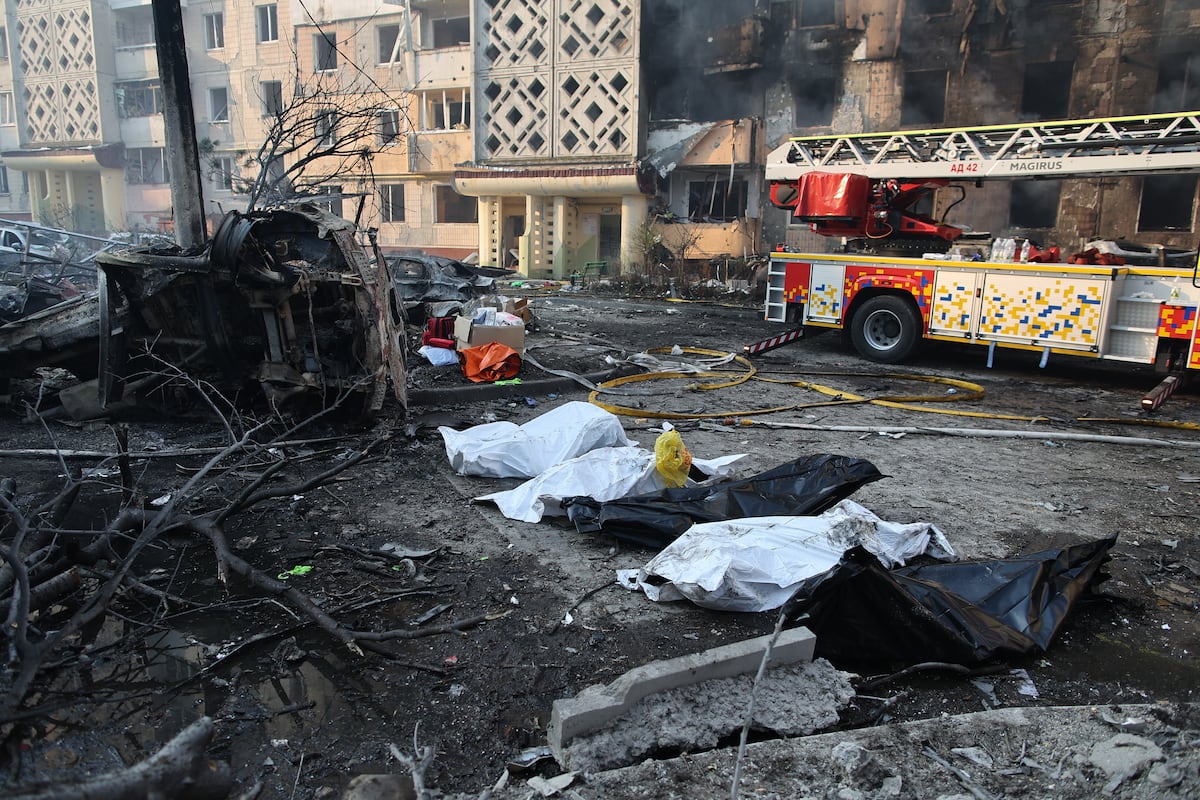
Escalating Tensions: Russia’s Renewed Offensive and eastern European Security Concerns
A new Russian offensive is significantly impacting Ukraine, causing widespread disruptions and raising alarm across neighboring countries.Recent bombardments are leading to daily power outages, sometimes lasting up to 12 hours, in Ukrainian cities.Simultaneously, a substantial chlorine leak in Ternópil’s industrial zone has prompted local authorities to advise residents to seal their homes.
This escalation isn’t happening in a vacuum. The proximity of these attacks to the borders of Poland, Romania, and Moldova is triggering defensive responses and heightening regional anxieties. Let’s break down the key developments:
Current Situation in Ukraine:
* Power Grid Under Strain: Russia is actively targeting Ukraine’s energy infrastructure, aiming to cripple the country as winter approaches.
* Chemical Hazard: A recent strike caused a major chlorine leak, necessitating immediate safety measures for residents.
* Civilian Impact: Daily life is increasingly tough for Ukrainians facing prolonged power cuts and potential environmental hazards.
Heightened Alert in Neighboring Nations:
Poland and Romania have both scrambled fighter jets in response to potential airspace violations.These activations are standard procedure when Russian strikes occur near their borders, demonstrating a commitment to vigilance. Furthermore, Moldova reported a Russian Shahed drone briefly entering its airspace overnight.
I’ve followed these developments closely, and the situation is reminiscent of last September. At that time, Polish forces actually downed several Russian drones that had crossed into their territory. This prompted a bolstering of NATO’s defensive posture in the region.
NATO’s Response and Poland’s concerns:
The north Atlantic Treaty Organization has reinforced its protection of Poland, recognizing the increased threat level. Spain is contributing to this effort, deploying two fighter jets this November specifically tasked with intercepting potential Russian attacks.
However, tensions are particularly acute between Warsaw and Moscow. Poland recently accused the Kremlin of orchestrating the sabotage of a railway line within its borders. Investigations suggest a group of Ukrainian citizens, allegedly contracted by Russian intelligence services, carried out the act. This accusation represents a important escalation in the ongoing conflict and raises serious questions about Russia’s willingness to extend its destabilizing actions beyond Ukraine.
What This Means for You:
This situation is incredibly dynamic. You can expect continued heightened military activity in the region, and potentially further disruptions. It’s crucial to stay informed through reliable news sources and understand the broader implications of these events.
* Increased Regional Instability: The conflict is spilling over into neighboring countries, creating a more volatile security environment.
* Potential for Miscalculation: The risk of accidental escalation remains a significant concern,given the increased military presence and heightened tensions.
* Long-Term Security Implications: This crisis is reshaping the security landscape of eastern Europe, prompting a reassessment of defense strategies and alliances.
Ultimately, the situation demands careful monitoring and a continued commitment to de-escalation. The safety and security of the region, and indeed the broader international community, depend on it.
Related reading
- Gironde Wildfires: Calm Night Before Extreme Heat and High Winds Threaten Region
- Extreme Heat Alert: Samcheok Hits 37°C on July 29
- Russian Drone Incursions in Romania: Defense Challenges and Diplomatic Responses (newsdirectory3.com)
- The Congressional Review Act, Explained: How Congress Kills Federal Rules (daybreakwire.com)