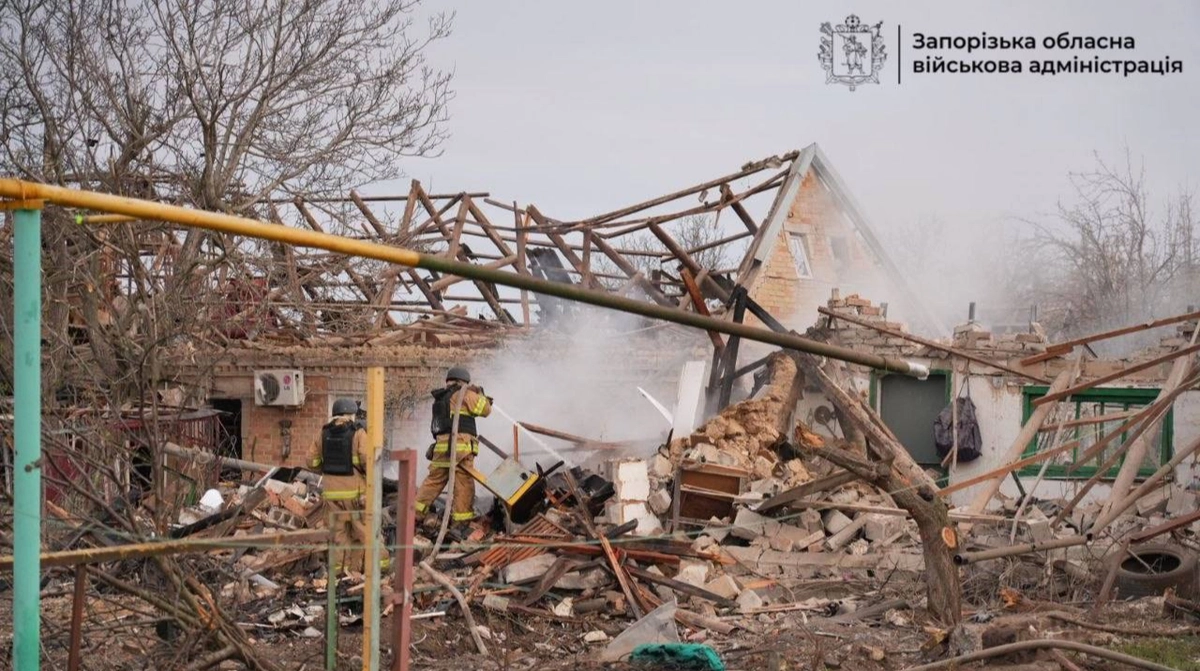
Recent Russian strikes on Dnipropetrovsk and Zaporizhzhia have once again brought the brutal reality of the ongoing conflict to the forefront, leaving civilians wounded and critical infrastructure severely compromised. These attacks, targeting both urban centers and outlying districts, underscore a persistent strategy of attrition aimed at destabilizing the region’s essential services and civilian morale.
The impact of these strikes is felt not only in the immediate physical damage but in the systemic disruption of daily life. From the destruction of energy grids to the injury of first responders, the volatility of the frontline continues to bleed into the rear areas of the Dnipropetrovsk and Zaporizhzhia regions, complicating humanitarian efforts and regional stability.
Reports indicate that recent strikes resulted in at least three people being wounded across the two regions. In Zaporizhzhia specifically, reports highlight the injury of a 47-year-old woman and damage to a vehicle belonging to the State Emergency Service (SES), illustrating the risks faced by those attempting to provide critical aid during active bombardments.
Infrastructure Collapse and Restoration Efforts
The targeting of critical infrastructure remains a central component of the military campaign in these regions. On January 8, 2026, Vice Prime Minister for Restoration and Minister of Development of Communities and Territories Oleksiy Kuleba reported that extensive work was underway to restore electricity, water, and heating networks following Russian attacks UNN.
In the Dnipropetrovsk region, the damage was particularly severe, with one critical infrastructure object that provided power to the majority of the region’s districts being hit. This left more than one million subscribers struggling to regain access to heat and water supplies as of early January 2026 UNN. While electricity was restored more quickly in Zaporizhzhia, the ongoing effort to stabilize the water and heat grids remains a priority for local authorities.
Territorial Shifts and Frontline Volatility
Beyond the aerial bombardments, the ground situation in the region has seen incremental but significant shifts. According to data from the DeepState project, Russian forces expanded their control on October 2, 2025, by capturing three villages: Olhovske in the Zaporizhzhia region, and Berezovoe and Kalynovske in the Dnipropetrovsk region Pravda.com.ua.
Analysts also noted Russian advances near Vorone in the Dnipropetrovsk region and Novoivanivka in the Zaporizhzhia region during the same period Pravda.com.ua. These movements indicate a continued effort to push the frontline further into Ukrainian-held territory, expanding the zone of instability and increasing the number of civilians living under the direct threat of artillery and missile fire.
Context of Occupation and Annexation
The current volatility is rooted in a conflict that intensified on February 24, 2022, when the Russian invasion of Ukraine began. The Zaporizhzhia region became a primary focal point of the war, with Russia eventually claiming the territory as its own. On September 30, 2022, Russia formally annexed the Zaporizhzhia region, designating it as a subject of the Russian Federation Wikipedia.
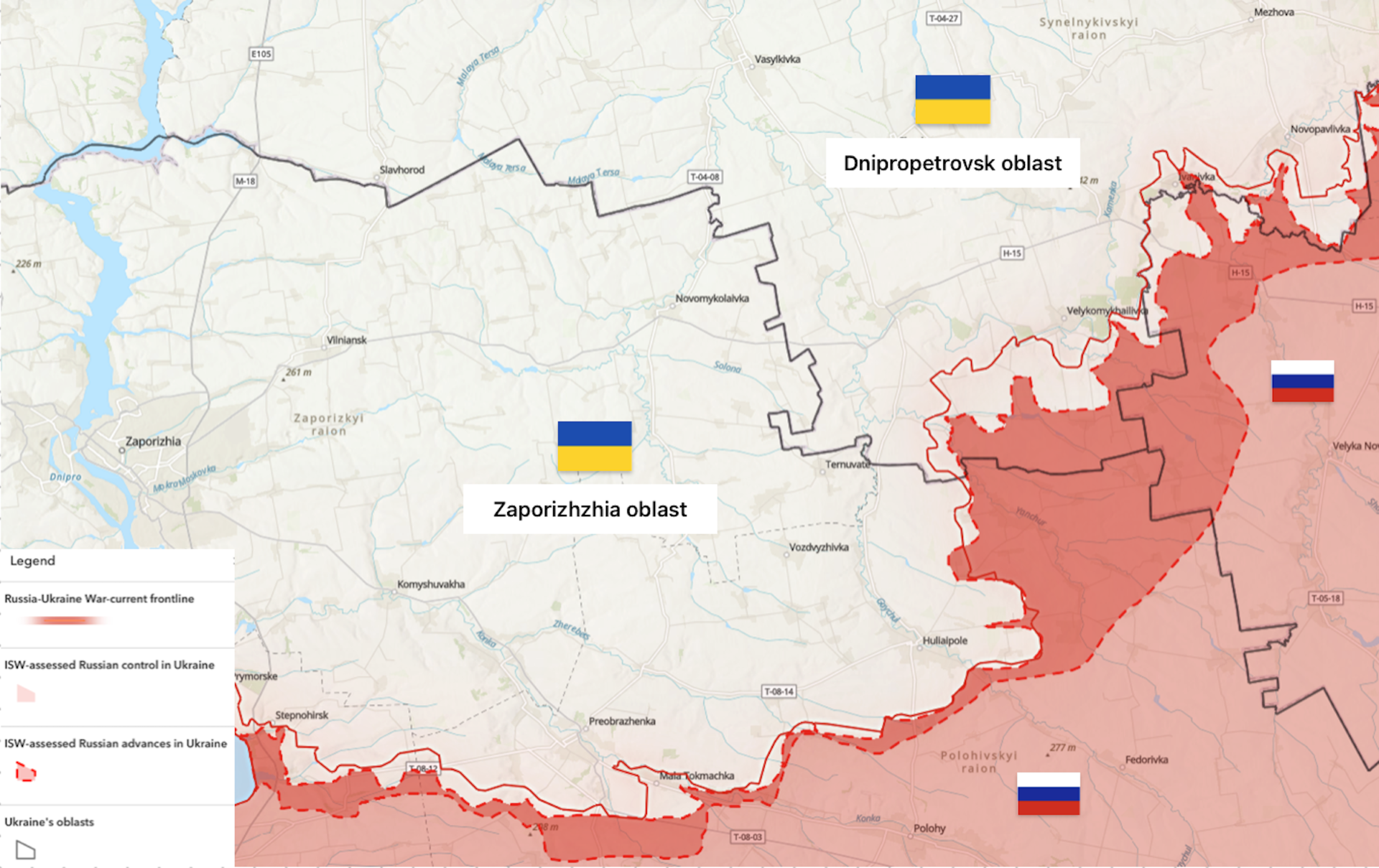
Despite the formal annexation claim, Russia does not control the entire region. The ongoing Russian strikes on Dnipropetrovsk and Zaporizhzhia serve as a reminder that the regional administrative centers and significant portions of the territory remain under Ukrainian control, leading to a fragmented landscape where civilian populations are caught between competing claims of sovereignty and constant military activity.
Summary of Regional Impact
| Category | Key Detail | Date/Reference |
|---|---|---|
| Infrastructure | Over 1 million subscribers lost heat/water in Dnipropetrovsk | January 8, 2026 |
| Territorial Loss | Capture of Olhovske, Berezovoe, and Kalynovske | October 2, 2025 |
| Political Status | Formal annexation of Zaporizhzhia region by Russia | September 30, 2022 |
| Casualties | Reports of 3 wounded; damage to SES vehicle | Recent Reports |
As the conflict persists, the resilience of the local population depends heavily on the speed of infrastructure repair and the ability of the Ukrainian government to secure the perimeter of these critical regions. The targeting of energy and water systems during winter months continues to be a primary humanitarian concern.
The next official updates regarding the restoration of critical infrastructure and territorial changes are expected via the regional military administrations and the Ministry of Development of Communities and Territories.
World Today Journal encourages readers to share this report and leave their comments below regarding the humanitarian situation in eastern Ukraine.