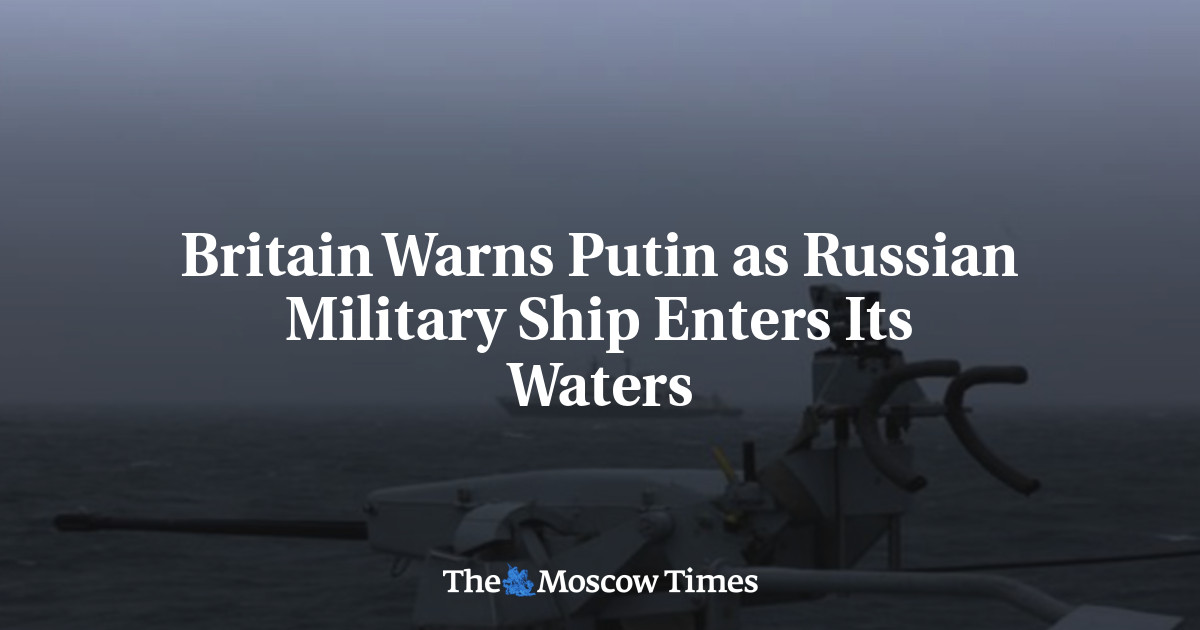
Russian Naval incursion & Laser Targeting: A deep Dive into UK Waters Security
The recent incident involving the Russian vessel Yantar - a repeated entry into UK waters adn the reported targeting of UK pilots wiht lasers – has escalated tensions and sparked a strong response from the British government. This event isn’t isolated; it’s part of a broader pattern of increased Russian naval activity near UK shores and a growing concern over the vulnerability of critical undersea infrastructure. This article provides an in-depth analysis of the situation, exploring the geopolitical context, technical implications, and potential responses. We will examine the specifics of the Yantar’s operations, the dangers of laser targeting, and the wider implications for maritime security in the north Sea and beyond.
Understanding the Yantar’s Operations & Intent
The yantar, a Perseus-class oceanographic research vessel, has been a focal point of Western intelligence for years. While officially designated for research, its capabilities and operational patterns suggest a far more strategic purpose. The vessel is equipped with advanced sonar and underwater detection equipment, leading analysts to believe it’s primarily involved in mapping and possibly disrupting undersea communication cables and energy pipelines.
Did You Know? The Yantar has been tracked conducting similar operations near the coasts of Ireland,Portugal,and the United states,raising concerns about a global pattern of undersea reconnaissance.
Defense Secretary John Healey’s statement that the Yantar has entered UK waters twice this year – onc in January and again recently – underscores the escalating frequency of these incursions. The vessel’s positioning “north of Scotland” places it in a strategically sensitive area, close to key undersea infrastructure connecting the UK to the rest of Europe and North America. The UK’s response, deploying a Royal navy frigate and Royal Air Force aircraft for continuous monitoring, demonstrates the seriousness with which the government views this activity.
Pro Tip: Utilizing Automatic Identification System (AIS) data and satellite imagery can provide valuable insights into vessel movements and potential areas of interest. Websites like marinetraffic (https://www.marinetraffic.com/) offer real-time tracking information.
the Dangers of Laser Targeting: A Technical Perspective
The reported use of lasers against UK pilots is particularly alarming. While the exact type of laser used remains undisclosed, even low-powered lasers can cause temporary or permanent vision damage, potentially leading to loss of control of an aircraft. The risks are amplified at night or in adverse weather conditions.
Here’s a breakdown of the technical considerations:
* Wavelength: different laser wavelengths have varying effects on the human eye. Green lasers (532nm) are particularly hazardous due to the eye’s peak sensitivity to this wavelength.
* Power Output: Even milliwatt-level lasers can cause meaningful retinal damage with brief exposure.
* Pulse Duration: Pulsed lasers can deliver a concentrated burst of energy, increasing the risk of damage.
* Range: The effective range of a laser targeting system depends on atmospheric conditions and the laser’s power.
The intentional targeting of pilots constitutes a hostile act and a clear violation of international norms. It’s a dangerous escalation that could easily lead to miscalculation and unintended consequences. The UK’s firm response – “We see you. We know what your doing. If the Yantar travels south this week, we are ready” – is intended to deter further provocative actions.
Undersea Infrastructure at Risk: A Growing Hybrid Threat
The Yantar’s activities are occurring against a backdrop of increasing concern about the vulnerability of critical undersea infrastructure.Recent months have seen several incidents of sabotage targeting undersea telecom and power cables, with accusations pointing towards Russia as a potential perpetrator. These attacks represent a new form of hybrid warfare, combining elements of espionage, sabotage, and information warfare.
| Infrastructure Type | Vulnerability | Potential Impact |
|---|---|---|
| Subsea Cables (Telecom) | Physical damage, interception | Disruption of internet and communication services |
| Subsea Pipelines (Energy) | Physical damage, explosions | Energy shortages, environmental damage
Keep reading |