Russia Launches Massive Aerial Assault on Ukraine as Poland Scrambles Jets in Response
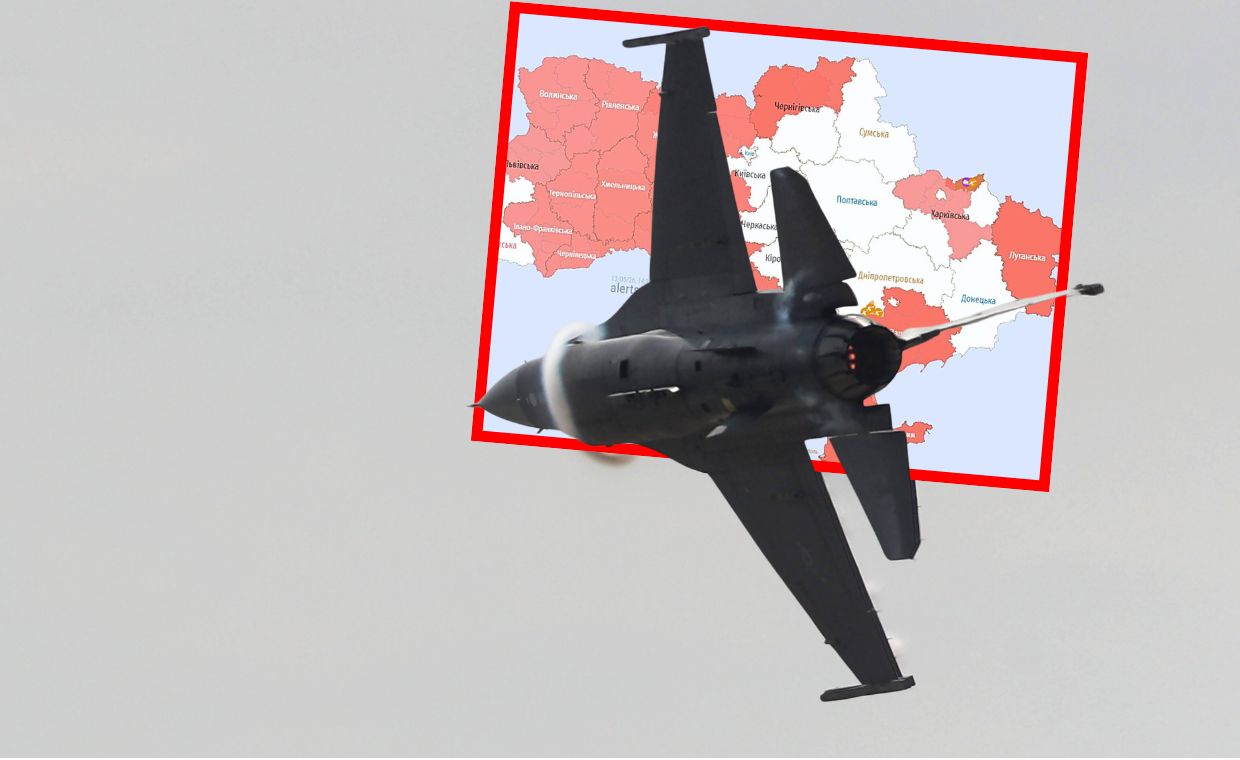
Poland’s military scrambled fighter jets early Saturday in response to Russia’s largest aerial assault on Ukraine in weeks, as Moscow unleashed a barrage of drones and missiles that struck near the western border with NATO member Poland. The coordinated strikes, which Ukrainian officials describe as a deliberate attempt to terrorize civilians, came as European air defenses remained on heightened alert following a series of Russian airspace violations across the continent.
The overnight assault—consisting of 579 attack drones and 40 ballistic and cruise missiles—marked the most intense Russian strike since December 2025, according to verified Ukrainian military reports. While the majority of projectiles were intercepted, the attacks resulted in at least eight civilian deaths and 32 injuries across multiple regions, including near the Polish border. Ukrainian President Volodymyr Zelensky condemned the strikes as “not a military necessity but a deliberate strategy to destroy our infrastructure and terrorize our people,” calling for an immediate international response.
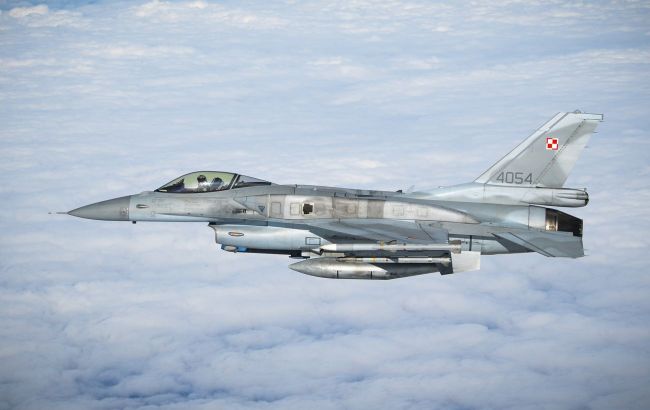
Poland’s military confirmed that its air defense systems and fighter jets were activated in response to the strikes, with the Polish Air Force posting on X that “due to the activity of the Russian Federation’s long-range aviation… Duty fighter pairs have been scrambled and ground-based air defense systems have reached maximum readiness.” The move underscores the escalating tensions along NATO’s eastern flank, where Russian military activity has increasingly encroached on allied airspace in recent months.
Context: Why This Strike Matters
The timing of the assault—coinciding with U.S. President Donald Trump’s state visit to China—has raised speculation about potential geopolitical signaling. While Russian officials have not publicly commented on the strikes, Ukrainian intelligence sources suggest Moscow may be seeking to demonstrate military capability ahead of anticipated negotiations over aid packages and security guarantees for Kyiv.
This represents not the first time Russian strikes have tested NATO’s eastern borders. In September 2025, Polish and allied aircraft were scrambled after Russian jets violated Estonia’s airspace, prompting NATO’s highest-level response since the war began. The current escalation has prompted European leaders to accelerate discussions about deploying additional air defense systems, including U.S.-supplied Patriot batteries, to Poland and other frontline states.
“Every such strike is not a military necessity but a deliberate strategy by Russia to terrorize civilians and destroy our infrastructure. That is why a strong international response is needed.”
Key Developments: What We Know So Far
Key Takeaways
- Scale of the assault: 579 attack drones, 8 ballistic missiles, and 32 cruise missiles launched overnight (May 11–12, 2026), per Ukrainian Air Force reports.
- Casualties confirmed: At least 8 civilians killed and 32 injured, with strikes near Lviv and Ivano-Frankivsk regions close to the Polish border.
- Polish response: Fighter jets scrambled, air defense systems activated, and ground-based radar systems placed on maximum alert status.
- NATO alert status: Heightened readiness across Eastern Europe following recent Russian airspace violations in Estonia, and Lithuania.
- Geopolitical timing: Strikes occurred during U.S. President Trump’s visit to China, raising questions about potential diplomatic signaling.
- Infrastructure damage: Critical energy and transportation networks targeted, with repairs expected to take weeks in affected regions.
Strike Details and Ukrainian Response
According to the Ukrainian Air Force, Russian forces employed a mix of Shahed-136/131 drones, Lancet loitering munitions, and Kh-101/Kh-555 cruise missiles in the assault. While Ukrainian air defenses successfully intercepted approximately 70% of the drones, the remaining projectiles struck residential areas in western Ukraine, including near the border with Poland.

In a press briefing following the strikes, Ukrainian Defense Minister Rustem Umerov stated that “the enemy is deliberately targeting civilian infrastructure to disrupt our economy and morale.” He added that Ukraine’s air defense systems, supported by Western-provided equipment, had mitigated the worst of the damage but warned that sustained attacks would require additional international assistance.
Regional authorities reported that power outages affected over 150,000 households in Lviv and Ivano-Frankivsk oblasts, with restoration efforts underway. Ukrainian energy officials confirmed that repairs to damaged substations would take at least 10–14 days, potentially exacerbating fuel shortages in the region.
Poland’s Mobilization: A Test for NATO’s Eastern Flank
Poland’s activation of its air defense network represents the most significant military response since the war began. The Polish Air Force, operating in coordination with NATO allies, deployed F-16 fighter jets and Patriot missile systems along the western border. In a statement, Poland’s Ministry of National Defense emphasized that “the safety of our allies and our own territory remains our top priority,” while reaffirming Poland’s commitment to Article 5 of the NATO treaty.
This development follows a series of Russian provocations in Eastern Europe, including:
- September 2025: Russian jets violate Estonia’s airspace, prompting NATO’s largest aerial response since 2014.
- October 2025: Lithuanian radar systems detect multiple Russian long-range bombers near its exclusive economic zone.
- April 2026: Poland and Romania conduct joint military exercises in response to increased Russian naval activity in the Black Sea.
Analysts suggest that Moscow’s actions may be intended to pressure NATO into scaling back military support for Ukraine or to provoke a direct confrontation. However, Polish officials have dismissed suggestions of escalation, stating that their response remains defensive in nature.
International Reactions: A Divided Response
The strikes have sparked divergent reactions across the global community. While Western allies have condemned Russia’s actions, some neutral and non-aligned nations have called for de-escalation. Here’s how key stakeholders are responding:
- United States: The White House stated that the attacks “demonstrate Russia’s disregard for international law” and reaffirmed its commitment to providing Ukraine with additional air defense systems. U.S. Secretary of State Antony Blinken canceled a scheduled press conference to address the situation directly.
- European Union: EU High Representative Josep Borrell described the strikes as “a clear violation of the UN Charter” and announced an emergency session of the European Council to discuss further sanctions against Russia.
- China: Chinese Foreign Ministry spokesperson Mao Ning urged “all parties to exercise restraint” and called for a return to “peaceful negotiations.” The statement came as U.S. President Trump met with Chinese leaders in Beijing.
- Russia: The Kremlin has not issued an official statement regarding the strikes. Russian state media outlets, however, have framed the attacks as a response to “Ukrainian provocations” and “NATO aggression.”
What Happens Next: The Road Ahead
As the situation develops, several critical questions remain unanswered:
- Will NATO expand its military presence in Poland? Sources suggest that the alliance may accelerate the deployment of additional Patriot batteries and AWACS surveillance aircraft to monitor Russian activity.
- How will Ukraine respond? Kyiv has indicated it may seek emergency aid packages from Western allies to repair damaged infrastructure and replenish air defense stocks.
- Will Russia escalate further? Military analysts warn that Moscow may increase its use of long-range strikes to test NATO’s resolve, particularly as Western political attention shifts toward domestic elections.
- What role will China play? Given the timing of the strikes, observers will watch closely for any Chinese statements that could influence Russia’s actions or Western responses.
The next critical checkpoint will be the emergency session of the European Council, scheduled for May 15, 2026, where member states are expected to discuss:
- Additional sanctions against Russian defense industries.
- Accelerated delivery of military aid to Ukraine.
- Enhanced NATO air defense deployments along the eastern border.
Stay Informed: For real-time updates on this developing story, follow official statements from:
- Ukrainian Presidential Office
- Polish Ministry of National Defense
- NATO Headquarters
- European External Action Service
Have insights or questions about this story? Share your thoughts in the comments below or contact the World Today Journal team at [email protected].
Keep reading