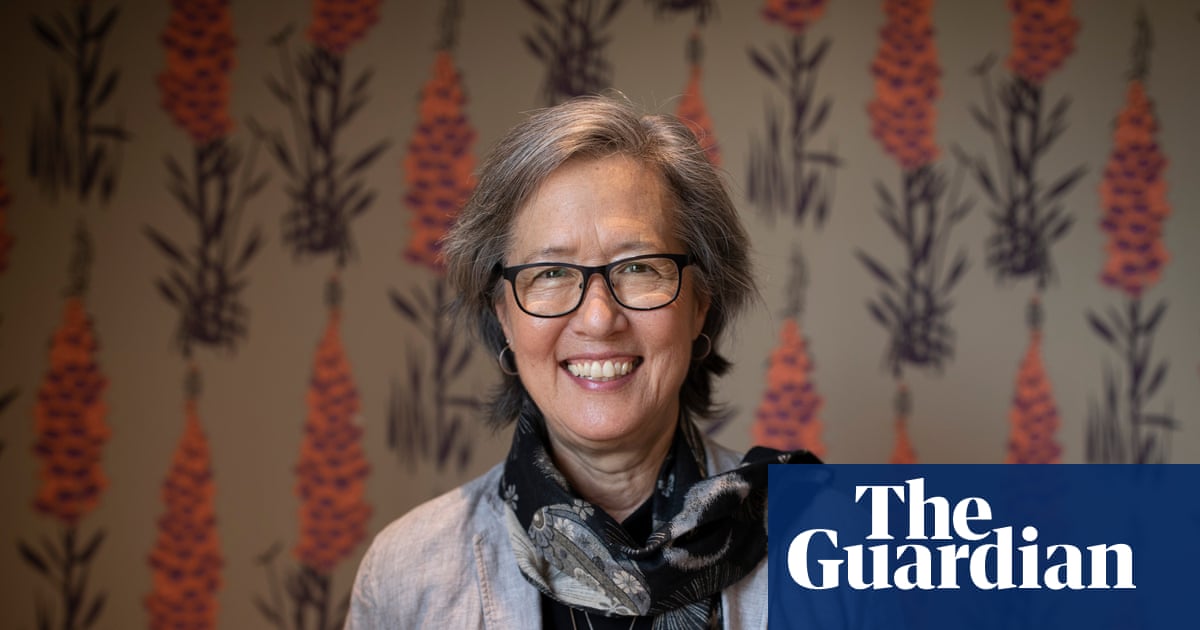
Author and filmmaker Ruth Ozeki has identified E.B. White’s 1952 classic Charlotte’s Web as the foundational blueprint for her literary career. In reflecting on her body of work, Ozeki, who is also a Zen Buddhist priest, notes that her novels function as attempts to recreate the themes and structural impact of White’s narrative, specifically its focus on the power of language to protect and transform lives.
Ozeki’s perspective on her own creative process highlights a common phenomenon in literary development: the influence of childhood reading on adult artistic output. According to a biographical profile by Britannica, Ozeki’s career spans multiple disciplines, including documentary filmmaking and fiction writing, often exploring themes of environmentalism, globalism, and the intersection of technology and human identity.
The Influence of Literary Language
For Ozeki, the significance of Charlotte’s Web shifted as she transitioned from a childhood reader to a professional author. While she initially remembered the book as a story about a girl named Fern saving a pig, she now characterizes the work as a story about a writer—the spider, Charlotte—who uses her mastery of language to alter the fate of another living being. This distinction underscores Ozeki’s own preoccupation with how narrative acts as an intervention in reality.

Ozeki’s literary output, including her Booker Prize-winning novel The Book of Form and Emptiness, often features characters who grapple with the material weight of words and objects. The Booker Prize Foundation notes that her writing style frequently blurs the lines between the mundane and the metaphysical, a trait that aligns with her background as a Zen practitioner. Her approach to storytelling typically involves extensive research, an analytical habit she has maintained throughout her career.
Zen Buddhism and the Creative Process
Beyond her contributions to contemporary fiction, Ozeki is a practitioner and teacher of Zen Buddhism. She was ordained as a priest in 2010, an experience that has influenced her approach to the discipline of writing. In various interviews, she has discussed how the practice of sitting meditation and the study of traditional texts provide a framework for the solitude required for long-form fiction.
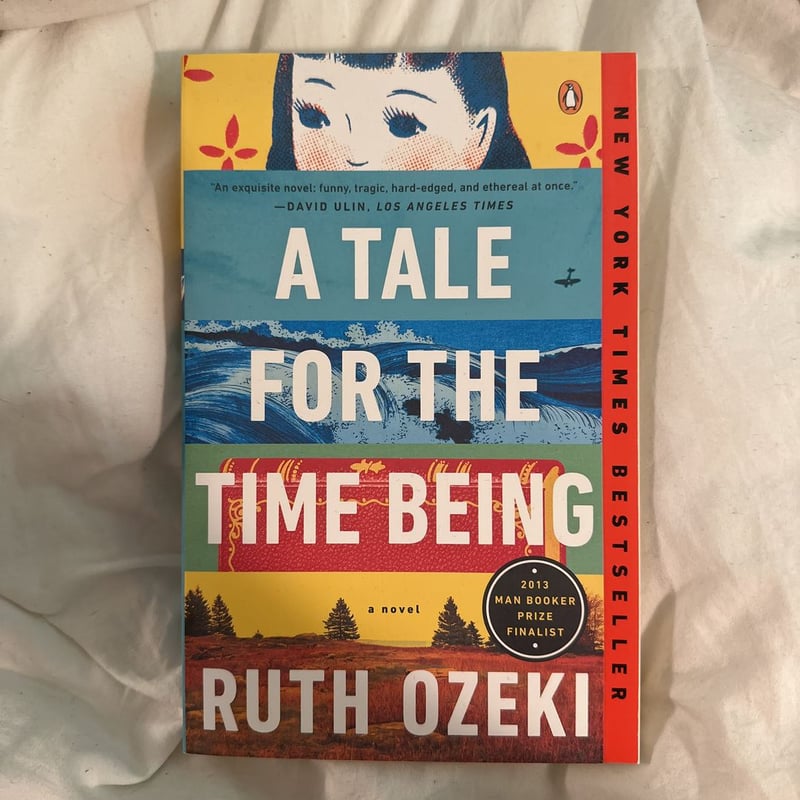
Her process is not limited to solitary reflection. Ozeki has consistently engaged with complex, multi-layered research for her projects. For example, her novel A Tale for the Time Being involved deep immersion into Japanese history and culture, as documented by the New York Times book review archives. This commitment to research reflects a professional standard where narrative accuracy is treated with as much rigor as economic or historical analysis.
Literary Themes and Narrative Intent
Ozeki’s work is often categorized by its exploration of the tension between irony and sincerity. In her critical commentary, she has distinguished between irony—which she views as a form of detachment—and cynicism, which she rejects as a barrier to genuine human connection. Her novels, including All Over Creation and My Year of Meats, frequently center on characters who must move past cynical worldviews to engage with their communities or environments.
The following table outlines key aspects of Ozeki’s professional background:
| Category | Details |
|---|---|
| Primary Profession | Novelist, Filmmaker |
| Religious Affiliation | Zen Buddhist Priest (ordained 2010) |
| Notable Recognition | Winner, 2022 Women’s Prize for Fiction |
| Core Themes | Environmentalism, Language, Identity |
The Women’s Prize for Fiction officially recognized Ozeki’s work in 2022, cementing her status as a significant voice in modern global literature. Her ability to synthesize complex, often disparate topics into cohesive narratives has earned her a reputation for both intellectual depth and accessibility.
Looking Ahead in Contemporary Literature
Readers and scholars interested in the evolution of Ozeki’s work can track her upcoming public appearances and literary contributions through her official publisher channels. As she continues to explore the intersection of language, memory, and the physical world, her influence on the literary landscape remains a subject of ongoing academic and critical interest.

For those interested in the broader impact of her work, the official author website provides updated information regarding her current projects and speaking engagements. Engaging with her novels offers a window into how an author translates early childhood inspiration into a lifelong professional commitment to the craft of storytelling. We encourage readers to share their own interpretations of how formative childhood books continue to shape their professional and creative lives in the comments section below.